
If you've ever checked the label on a shirt, examined the fabric of your sofa, or flipped through the tags on outdoor gear, you’ve likely encountered one material more than any other: polyester. It’s in our clothes, our bedding, our car interiors, and even our food containers. At first glance, it might seem like an overused synthetic compromise—less breathable than cotton, less luxurious than wool—but its dominance isn’t accidental. Polyester has quietly become the backbone of modern textile and product manufacturing. Understanding why requires looking beyond aesthetics to the practical, economic, and industrial forces that have cemented its place in everyday life.
The Rise of Synthetic Fibers
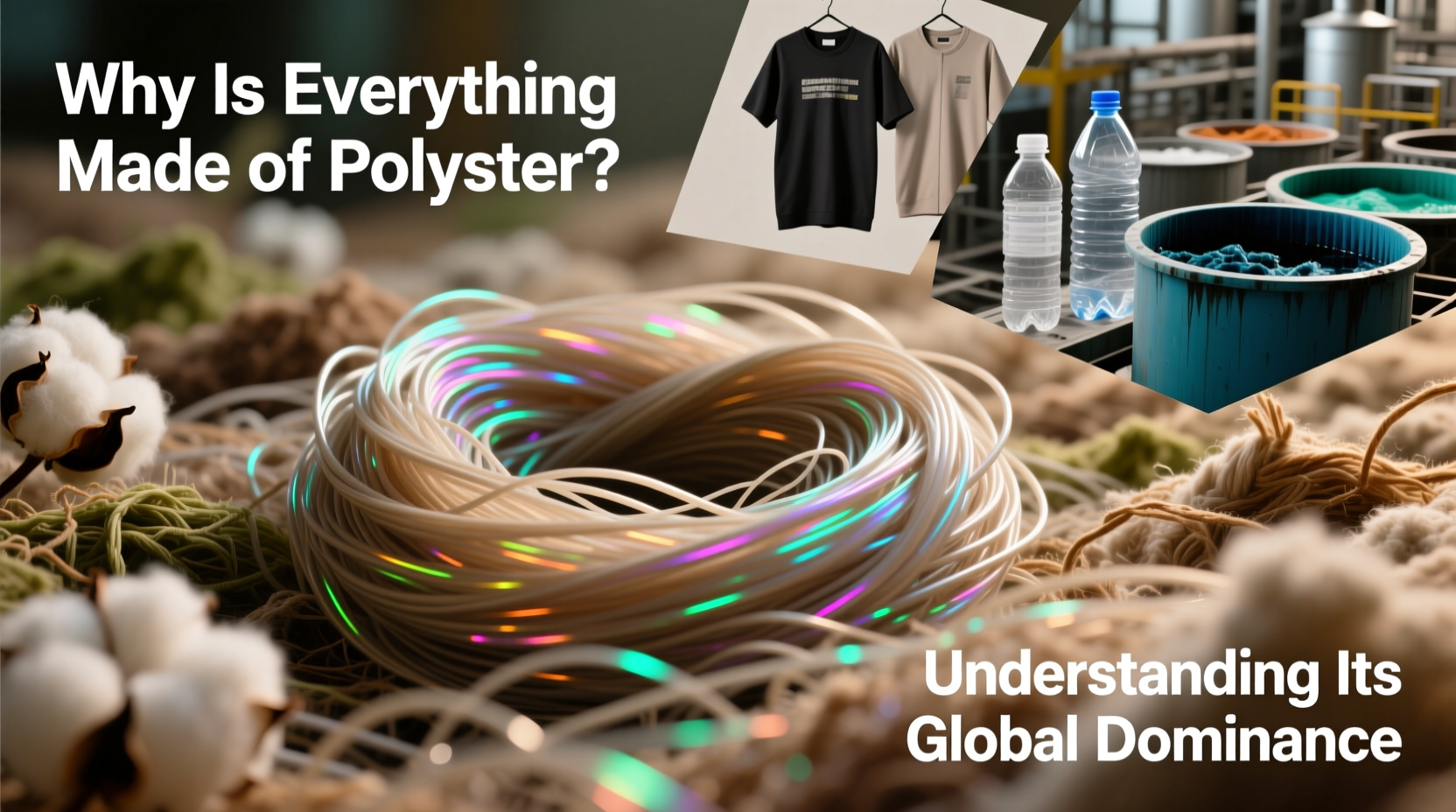
Polyester emerged in the mid-20th century as part of a broader shift toward synthetic materials. Invented in the 1940s by British chemists John Rex Whinfield and James Tennant Dickson, polyester (specifically polyethylene terephthalate, or PET) was commercialized in the 1950s. Unlike natural fibers such as cotton, wool, or silk, polyester is derived from petroleum—a byproduct of fossil fuel refining. This origin gives it distinct advantages in consistency, scalability, and cost control.
By the 1970s, polyester had entered mainstream fashion with iconic double-knit suits and “wash-and-wear” shirts. Though often mocked for its shiny appearance and poor breathability, its resistance to wrinkles and shrinking made it appealing in an era increasingly focused on convenience. Today, polyester accounts for over 60% of global fiber production, according to the Textile Exchange, far surpassing cotton and all other natural fibers combined.
Why Manufacturers Love Polyester
The reasons behind polyester’s ubiquity are rooted in manufacturing efficiency and economic incentives:
- Low production cost: Once infrastructure is in place, producing polyester is significantly cheaper than cultivating and processing natural fibers.
- Durability: Resistant to stretching, shrinking, and abrasion, polyester maintains shape and integrity over time.
- Quick drying: Its hydrophobic nature means it doesn’t absorb water easily, making it ideal for activewear and outdoor textiles.
- Versatility: Can be engineered into various forms—microfiber, filament, staple fiber—and blended with other materials to enhance performance.
- Color retention: Holds dyes exceptionally well, reducing fading after repeated washing.
Economic and Supply Chain Advantages
Global supply chains favor materials that are predictable, scalable, and easy to transport. Polyester excels in all three areas. Unlike cotton, which depends on weather, soil quality, and agricultural labor, polyester production is fully industrialized. Factories can produce consistent batches year-round, regardless of climate conditions.
This reliability reduces risk for brands operating on tight margins and fast production cycles—especially in fast fashion, where turnaround times are measured in weeks. Polyester allows manufacturers to scale quickly, meet sudden demand spikes, and maintain uniform quality across millions of units.
A single bolt of polyester fabric costs roughly 30–50% less than an equivalent cotton one, depending on market fluctuations. For large-scale producers, this difference translates into billions in savings annually.
“Polyester isn’t just popular because it works—it’s dominant because it fits seamlessly into the economics of mass production.” — Dr. Lena Park, Materials Economist at MIT Sustainable Design Lab
Performance Applications Across Industries
Beyond affordability, polyester offers functional benefits that make it indispensable in specialized applications:
- Activewear: Blends with spandex provide stretch, moisture-wicking, and shape retention.
- Outdoor gear: Used in tents, backpacks, and jackets due to UV resistance and low moisture absorption.
- Home furnishings: Upholstery, curtains, and carpets made from polyester resist fading and wear.
- Packaging: PET plastic bottles are a form of polyester, valued for clarity, strength, and recyclability (in theory).
- Industrial uses: Conveyor belts, tire cords, and insulation rely on polyester’s tensile strength.
In many cases, no natural alternative matches polyester’s performance-to-cost ratio. For example, while organic cotton is softer, it degrades faster under UV exposure and absorbs moisture—making it unsuitable for outdoor banners or sportswear linings.
Real-World Example: The Athleisure Boom
Consider the rise of athleisure—a $350 billion global market. Brands like Lululemon, Nike, and Gymshark built their empires on fabrics that combine polyester with elastane. These materials offer four-way stretch, sweat management, and odor resistance. A typical pair of leggings contains 70–90% polyester. Without it, the functionality consumers expect—going from gym to office without changing—wouldn’t be economically feasible at scale.
One major retailer reported that switching from cotton-blend to recycled polyester activewear reduced production costs by 22% while improving durability by 40%. This case illustrates how material choice directly impacts both profitability and product performance.
Environmental Impact and the Recycling Push
Criticism of polyester centers on its environmental footprint. Being petroleum-based, it contributes to fossil fuel dependency. Worse, each wash releases microplastics into waterways—estimated at half a million tons annually, according to the International Union for Conservation of Nature.
However, the industry is responding. Recycled polyester (rPET), made from post-consumer plastic bottles, now accounts for nearly 15% of global polyester production. Brands like Patagonia, Adidas, and Uniqlo use rPET extensively, marketing it as a sustainable alternative.
While recycling helps, challenges remain. Mechanical recycling degrades fiber quality over time, and chemical recycling is still expensive and limited in scale. Additionally, most polyester garments end up in landfills, where they can take 200+ years to decompose.
Do’s and Don’ts of Polyester Use
| Do | Don't |
|---|---|
| Choose garments with recycled polyester content | Wash polyester items daily with hot water (increases shedding) |
| Use cold water and gentle cycles for washing | Iron at high temperatures (can melt fibers) |
| Air dry when possible to extend fabric life | Assume “recycled” means biodegradable |
| Look for OEKO-TEX® certified fabrics for safer dyes | Dispose of worn items in regular trash (consider textile recycling) |
Future Outlook: Innovation and Alternatives
The future of polyester hinges on innovation. Researchers are developing bio-based polyesters derived from corn or sugarcane, reducing reliance on fossil fuels. Companies like DuPont and Teijin are investing in closed-loop recycling systems where old garments are broken down into raw materials for new ones.
Yet, even with advancements, polyester’s core advantages—cost, durability, and versatility—are hard to replicate. Natural fibers require vast amounts of land and water; for instance, producing one cotton t-shirt uses about 2,700 liters of water. In contrast, polyester uses minimal water during production (though energy input is higher).
Instead of elimination, the trend is smarter integration. Hybrid fabrics that blend organic cotton with recycled polyester, or treatments that minimize microfiber shedding, represent the next phase of responsible polyester use.
Frequently Asked Questions
Is polyester bad for your skin?
For most people, polyester is safe to wear. However, its low breathability can trap moisture and heat, potentially causing irritation or acne in sensitive individuals, especially during physical activity. Those with eczema or hyperhidrosis may prefer natural fibers for base layers.
Can polyester be recycled?
Yes, but with limitations. Mechanically recycled polyester (from bottles or fabric scraps) is widely used, though fiber quality declines over cycles. Chemical recycling can restore polyester to virgin-like quality but remains costly and rare. Currently, less than 1% of clothing is recycled into new clothing, highlighting systemic gaps.
Why does polyester sometimes smell after wearing?
Polyester fibers can trap odor-causing bacteria more than natural fibers because they don’t absorb sweat—they repel it. The moisture sits on the surface, creating a breeding ground for microbes. Antimicrobial treatments or silver-ion infusions in some performance wear help reduce this issue.
Conclusion: Embracing Polyester Wisely
Polyester isn’t going away. Its role in modern life is too deeply embedded in manufacturing, economics, and functionality. Rather than reject it outright, the smarter path is mindful use: choosing recycled versions, washing responsibly, and supporting brands that invest in circular solutions.
Understanding why everything is made of polyester reveals not a failure of taste, but a reflection of real-world constraints and priorities. With informed choices, consumers can enjoy its benefits while pushing the industry toward cleaner, more sustainable practices.




 浙公网安备
33010002000092号
浙公网安备
33010002000092号 浙B2-20120091-4
Comments
No comments yet. Why don't you start the discussion?