
At first glance, the question “Why is Facebook black and blue?” might seem simple — after all, Facebook’s signature colors are unmistakably blue on a white background. But as the platform evolves, so do its visual elements. In recent years, users have reported seeing darker interfaces, temporary black themes, or experimental blue variations. These changes aren’t random; they reflect strategic decisions rooted in accessibility, branding, user behavior, and technological adaptation. Understanding the shift from classic white to black and blue requires more than just noting a color change — it means exploring design psychology, digital wellness, and the future of social media interfaces.
The Role of Blue in Facebook’s Brand Identity
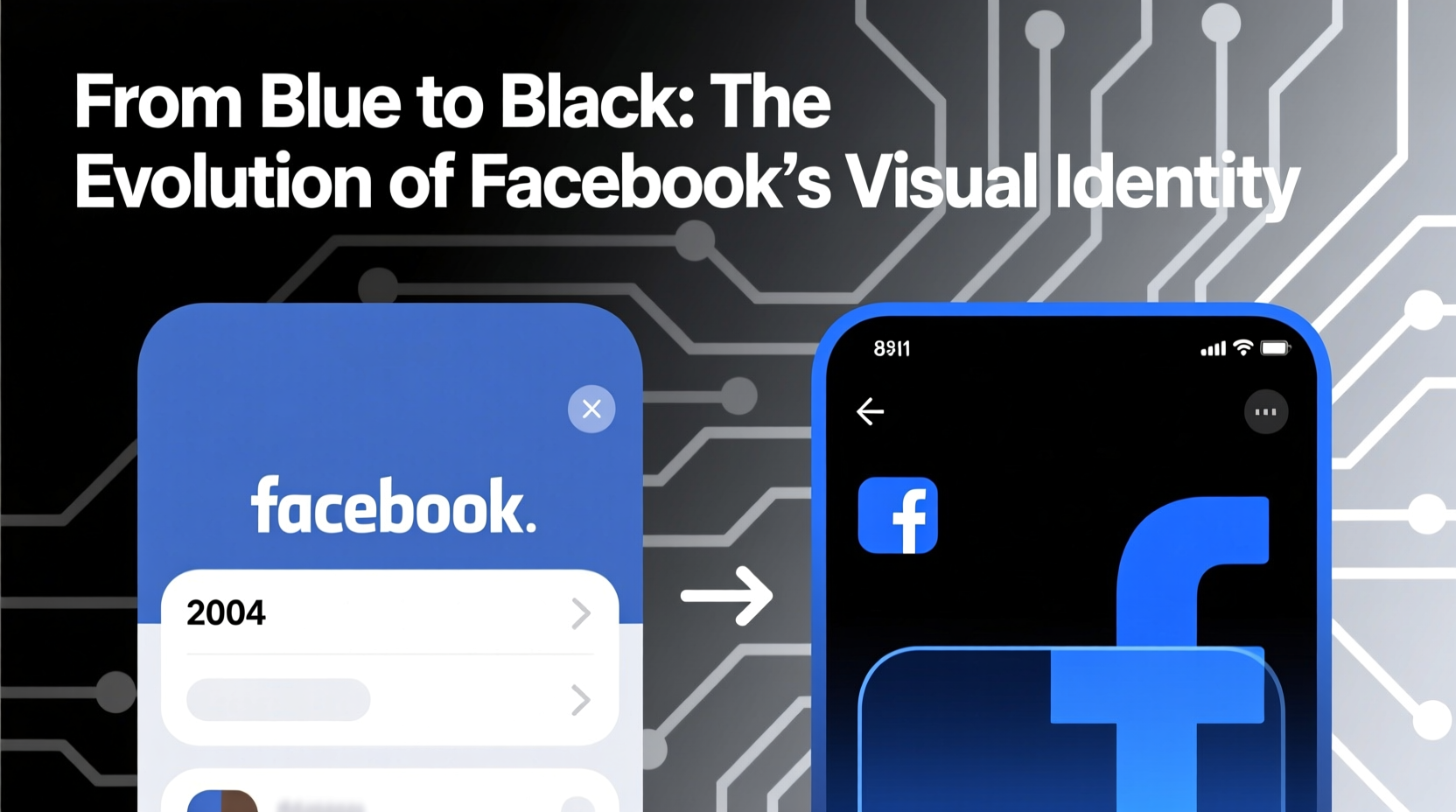
Blue has been central to Facebook’s identity since its inception. The choice wasn’t arbitrary. Mark Zuckerberg, who is red-green colorblind, has stated that blue is the color he sees most clearly. This personal factor played a role in shaping one of the most recognizable digital brands in history.
But beyond accessibility, blue carries psychological weight. It's associated with trust, calmness, and reliability — essential traits for a platform managing personal data and global communication. Facebook’s consistent use of varying shades of blue across buttons, links, notifications, and icons reinforces brand recognition. Even when interface layouts change, the presence of blue provides visual continuity.
“Color isn’t just decorative — it’s functional. Blue helps reduce cognitive load by creating predictable interaction points.” — Dr. Lena Patel, UX Researcher at Stanford HCI Group
Dark Mode: Why Black Is Now Part of the Palette
The appearance of black in Facebook’s interface is primarily tied to the rollout of dark mode. Introduced widely in 2020, dark mode replaces light backgrounds with dark ones, using black or deep gray as the base. Text and elements are rendered in lighter tones, reducing screen brightness and eye strain, especially in low-light environments.
Dark mode isn’t unique to Facebook — it’s become an industry standard across apps like Instagram, Twitter (now X), and YouTube. But its implementation on Facebook raised questions. Users accustomed to a bright, airy layout suddenly saw their feeds cloaked in black with blue highlights. Some interpreted this as a bug or unintended glitch. In reality, it was a deliberate design enhancement aimed at improving usability and comfort.
How Color Impacts User Experience and Accessibility
Visual design choices like color contrast directly affect readability, engagement, and inclusivity. A high-contrast combination such as white text on a black background can improve legibility for some users, particularly those with astigmatism or light sensitivity. However, poor contrast — such as light blue text on a dark background — can hinder accessibility if not carefully calibrated.
Facebook adheres to Web Content Accessibility Guidelines (WCAG), ensuring that text remains readable across different modes and devices. The blue used in dark mode is often slightly brighter than in light mode to maintain sufficient contrast against black backgrounds. This subtle adjustment reflects rigorous testing behind the scenes.
| Mode | Background | Text/Icons | Blue Elements |
|---|---|---|---|
| Light Mode | White / Light Gray | Black / Dark Gray | Standard Blue (#1877F2) |
| Dark Mode | Near-Black (#1C1E20) | White / Light Gray | Brightened Blue (#4A90E2) |
Real-World Example: Sarah’s Nighttime Scrolling Experience
Sarah, a 34-year-old nurse, typically checks Facebook after her night shift. For years, she avoided scrolling due to the harsh glare of the white interface on her phone. After updating her app, she noticed the screen appeared darker. Initially confused, she soon realized Facebook had activated dark mode automatically, syncing with her phone’s system settings. The black background reduced eye fatigue, and the familiar blue links still stood out clearly. Within days, she found herself engaging more comfortably with updates from family and friends.
This scenario illustrates how visual changes, though subtle, can significantly impact real-world usage. Design isn’t just about aesthetics — it’s about adapting to user lifestyles and environments.
Step-by-Step: How to Control Facebook’s Visual Appearance
If you’re unsure why Facebook looks different or want to customize your view, follow these steps to regain control over the interface:
- Check Your Device Theme: On iOS and Android, go to Settings > Display > Theme. If set to “Dark,” Facebook will likely follow suit.
- Adjust Facebook App Settings: Open the Facebook app, tap the menu (three lines), scroll to Settings & Privacy > Settings > Display & Brightness. Choose Light, Dark, or System Default.
- Update the App: Older versions may not support dark mode properly. Visit your app store to ensure you’re running the latest version.
- Clear Cache (if visuals appear broken): Go to your phone’s app settings, find Facebook, and clear the cache. Restart the app to reload assets correctly.
- Test on Web vs. Mobile: Browser versions may behave differently. Try accessing Facebook via desktop to compare.
Common Misconceptions About Facebook’s Color Scheme
- Myth: Black means the app is broken or hacked.
Reality: It’s likely dark mode, either enabled manually or via system settings. - Myth: Blue is only used for tradition.
Reality: Blue improves click-through rates and emotional trust, backed by A/B testing. - Myth: All users see the same shade of blue.
Reality: Facebook dynamically adjusts blue intensity based on background mode and screen type (OLED vs. LCD).
Expert Insight: The Future of Social Media Design
As screen technology advances, so does the sophistication of digital color use. OLED displays, common in modern smartphones, render true blacks by turning off individual pixels. This makes dark mode not only easier on the eyes but also more energy-efficient. Apps like Facebook benefit from extended battery life when displayed in black, giving platforms another incentive to adopt darker themes.
“Energy savings from dark mode can extend smartphone battery life by up to 60% on OLED screens. That’s not just good design — it’s sustainable design.” — Dr. Rajiv Mehta, Mobile Technology Analyst at Gartner
Frequently Asked Questions
Is Facebook changing its logo color to black and blue?
No. The Facebook logo remains white text on a blue background. Any appearance of black comes from the interface theme (dark mode), not the logo itself.
Why does the blue look different in dark mode?
To maintain readability, Facebook slightly adjusts the shade of blue in dark mode to ensure it contrasts well against black or dark gray backgrounds. This prevents the color from appearing dull or washed out.
Can I use dark mode on the desktop website?
Yes. While not always enabled by default, Facebook offers a dark mode option on its desktop site. Click the downward arrow in the top-right corner, select Settings & Privacy > Appearance, then choose Dark Mode.
Conclusion: Embracing Visual Evolution
The shift toward black and blue in Facebook’s interface is not a fleeting trend but a reflection of deeper shifts in digital design. From accommodating human vision to optimizing for device hardware, every color choice serves a purpose. Understanding these changes empowers users to personalize their experience, improve comfort, and engage more meaningfully with the platform.
Whether you prefer the crisp clarity of light mode or the sleek minimalism of dark mode, the key is awareness and control. Take a moment to explore your settings, experiment with themes, and notice how small visual tweaks can make a big difference in daily use.




 浙公网安备
33010002000092号
浙公网安备
33010002000092号 浙B2-20120091-4
Comments
No comments yet. Why don't you start the discussion?