
Fast fashion has transformed the way people shop, offering trendy clothes at prices that seem too good to be true. With new styles arriving weekly—and sometimes daily—retailers like Zara, H&M, and Shein have made it easy to refresh wardrobes without breaking the bank. But beneath the surface of low prices and rapid style turnover lies a complex web of ethical issues affecting workers, communities, and the planet. While affordability drives consumer demand, the long-term costs of fast fashion are steep. This article unpacks the ethical concerns tied to fast fashion, contrasts them with economic accessibility, and offers practical ways to navigate this dilemma.
The Rise of Fast Fashion: A Business Model Built on Speed
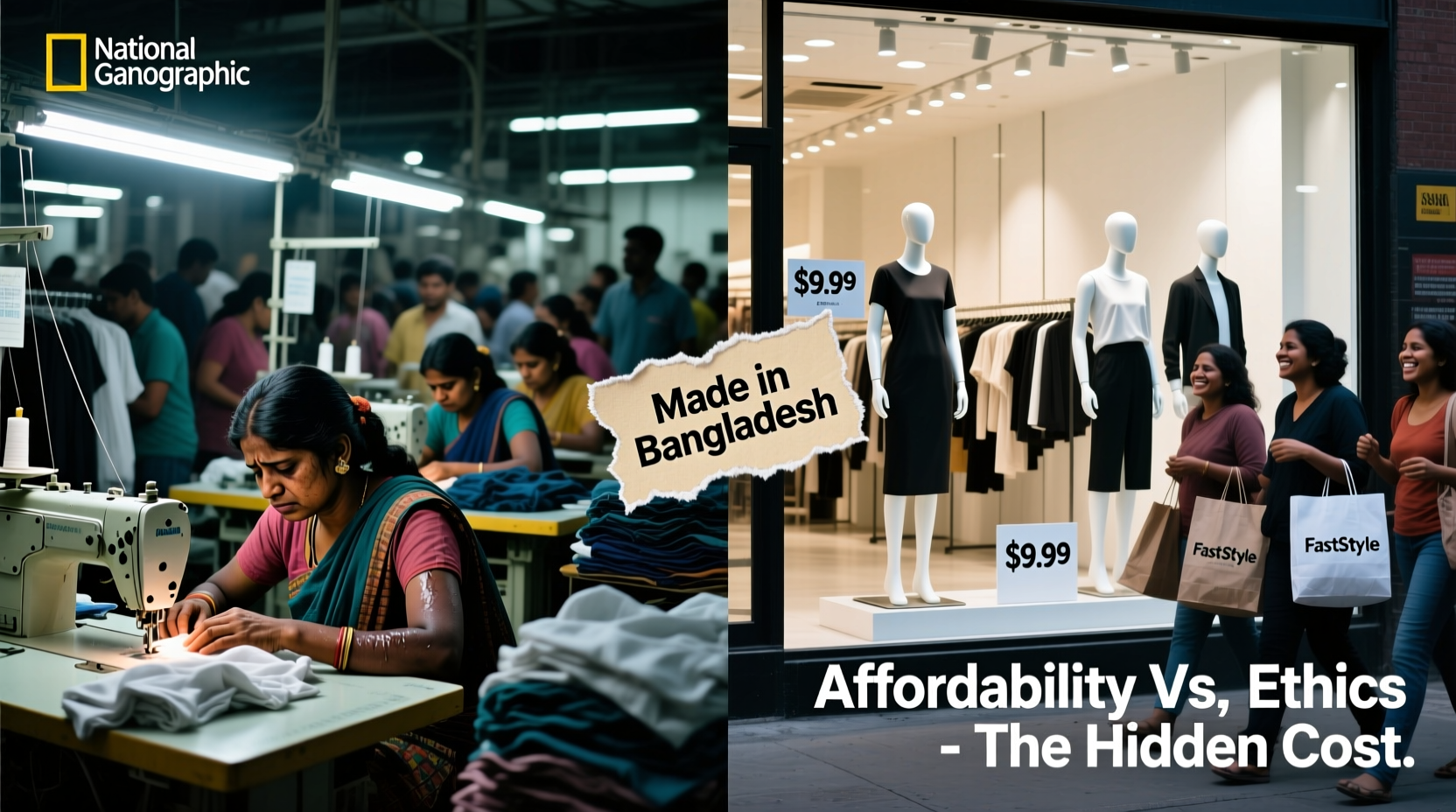
Fast fashion emerged in the late 1990s and early 2000s as a response to consumer desire for runway-inspired styles at accessible prices. Brands optimized supply chains to shorten design-to-retail cycles from months to mere weeks. What once took six months now takes as little as two weeks. This agility allows companies to respond instantly to social media trends, celebrity looks, or viral moments.
The model relies on high volume, low margins, and constant novelty. Consumers are encouraged to buy more frequently, treating clothing as disposable. The average person today buys 60% more clothing than they did 20 years ago—and keeps each item half as long.
While this system delivers convenience and variety, it depends on practices that compromise human rights, environmental health, and long-term sustainability.
Ethical Concerns in the Fast Fashion Industry
The affordability of fast fashion comes at a significant ethical cost. Behind every $5 t-shirt is a global supply chain where labor exploitation, unsafe working conditions, and environmental degradation are widespread.
Labor Exploitation and Poor Working Conditions
Most fast fashion garments are produced in low-income countries such as Bangladesh, Vietnam, Cambodia, and India, where labor is cheap and regulations are weakly enforced. Garment workers—predominantly women—often work 12- to 16-hour days for wages far below a living standard. In Bangladesh, for example, the minimum wage for garment workers is around $95 per month, while studies estimate a living wage would be closer to $175.
Workers face unsafe environments, lack of ventilation, locked exits, and exposure to toxic chemicals. The 2013 Rana Plaza collapse in Bangladesh, which killed over 1,100 garment workers, exposed the deadly consequences of prioritizing speed and profit over safety.
“Garment workers are the backbone of the fashion industry, yet most live in poverty and work under dangerous conditions.” — Nazma Akter, Founder of Awaj Foundation and former child laborer in Bangladesh’s garment sector
Environmental Damage and Waste
Fast fashion is one of the most polluting industries in the world. It contributes an estimated 10% of global carbon emissions—more than international flights and maritime shipping combined. Synthetic fabrics like polyester, derived from fossil fuels, shed microplastics into waterways when washed. Textile dyeing is the second-largest polluter of clean water globally, particularly in regions with lax environmental enforcement.
Additionally, the culture of disposability leads to massive textile waste. The equivalent of one garbage truck of textiles is landfilled or burned every second. Less than 1% of clothing is recycled into new garments, meaning most end up in landfills or exported to developing nations, overwhelming local ecosystems.
Unfair Pricing and Hidden Costs
The low price tag on fast fashion items masks the true cost borne by people and the planet. When a company sells a dress for $12, it often means corners were cut somewhere: underpaid labor, toxic dyes, or rushed quality control. These externalized costs—paid by workers, communities, and future generations—are not reflected in the retail price.
Economists refer to this as a market failure, where the actual social and environmental impacts are not priced into the product. Consumers benefit from low upfront costs, but society pays later through healthcare burdens, environmental cleanup, and climate change.
Affordability vs. Ethics: Why the Trade-Off Exists
For many consumers, especially those on tight budgets, fast fashion isn’t a luxury—it’s a necessity. Ethical and sustainable clothing often carries premium price tags due to fair wages, eco-friendly materials, and transparent production. A single organic cotton t-shirt can cost $30 or more, putting it out of reach for low-income households.
This creates a moral tension: choosing affordable clothing may feel like the only viable option, even if the buyer is aware of the ethical issues. The reality is that fast fashion fills a real need in a society where wages haven’t kept pace with living costs.
However, framing the issue as “affordability vs. ethics” oversimplifies a deeper structural problem. The burden should not fall solely on individual consumers to solve systemic issues in global manufacturing. Instead, responsibility must be shared among brands, policymakers, and wealthier consumers who can afford to support ethical alternatives.
The Myth of “Democratizing Fashion”
Fast fashion brands often claim they are “democratizing fashion” by making trendy clothing accessible to all. While this sounds empowering, critics argue it promotes overconsumption and devalues craftsmanship. True democratization would mean access to well-made, durable clothing—not just cheap, short-lived items designed to fall apart after a few wears.
Moreover, the psychological impact of fast fashion cannot be ignored. Constant newness fosters dissatisfaction, encouraging people to view their current wardrobe as outdated. This cycle feeds anxiety, clutter, and a distorted relationship with personal style.
How to Make More Conscious Fashion Choices
Completely avoiding fast fashion may not be feasible for everyone. However, small shifts in behavior can reduce harm and support more ethical practices over time.
Step-by-Step Guide to Reducing Fast Fashion Dependence
- Assess Your Current Wardrobe: Take inventory of what you own. Identify gaps and duplicate items. You may already have more than you think.
- Adopt a 30-Day Rule: Wait 30 days before buying non-essential clothing. This reduces impulse purchases and helps clarify real needs.
- Research Brands Before Buying: Use tools like Good On You or Fashion Revolution’s Brand Index to check a company’s labor and environmental practices.
- Prioritize Quality Over Quantity: Invest in fewer, better-made pieces that last longer, even if they cost more upfront.
- Explore Secondhand and Rental Options: Thrift stores, consignment shops, and rental platforms offer affordable, sustainable alternatives.
- Care for Your Clothes: Wash less, mend tears, and store properly to extend garment life.
- Support Policy Change: Advocate for legislation that holds fashion brands accountable for labor and environmental standards.
Checklist: Building a More Ethical Wardrobe
- ✅ Buy only what you truly need
- ✅ Choose natural, biodegradable fabrics when possible (e.g., cotton, linen, wool)
- ✅ Avoid ultra-trendy pieces that will go out of style quickly
- ✅ Repair or alter clothes instead of discarding them
- ✅ Donate or resell unwanted clothing responsibly
- ✅ Support local designers and small ethical brands
- ✅ Educate yourself on supply chain transparency
Case Study: Maya’s Journey Away from Fast Fashion
Maya, a 28-year-old teacher from Chicago, used to shop at fast fashion retailers monthly. She loved staying on trend but noticed her clothes rarely lasted more than a few washes. After watching a documentary on garment worker conditions, she decided to change her habits.
She started by setting a goal: no new clothes for 90 days. During that time, she repaired a favorite denim jacket, borrowed pieces from friends for events, and visited thrift stores. She discovered unique vintage finds and saved money. When she did buy something new, she chose a $45 ethically made blouse from a transparent brand.
Over a year, Maya reduced her clothing spending by 40% and built a more cohesive, durable wardrobe. “I don’t miss the constant shopping,” she says. “Now I feel proud of what I wear—and who made it.”
Comparing Fast Fashion and Ethical Fashion: A Side-by-Side Look
| Aspect | Fast Fashion | Ethical/Sustainable Fashion |
|---|---|---|
| Price | Low ($5–$20 per item) | Higher ($30–$100+ per item) |
| Labor Practices | Often exploitative; low wages, poor conditions | Fair wages, safe workplaces, union rights |
| Environmental Impact | High: pollution, waste, carbon emissions | Lower: use of organic materials, recycling, cleaner processes |
| Production Speed | Days to weeks | Weeks to months |
| Garment Lifespan | Short (wears out quickly) | Long (designed to last) |
| Transparency | Limited; supply chains often hidden | High; brands disclose factories and practices |
Frequently Asked Questions
Isn’t fast fashion better for low-income shoppers?
On the surface, yes—fast fashion provides low-cost options. However, the long-term cost of replacing poorly made clothes frequently can outweigh initial savings. Additionally, supporting ethical brands—even occasionally—can drive industry change. Affordable secondhand markets and clothing swaps offer budget-friendly, sustainable alternatives.
Can one person really make a difference?
Individual actions alone won’t dismantle fast fashion, but collective shifts in consumer behavior influence corporate policies. When enough people demand transparency and sustainability, brands respond. Moreover, personal choices can inspire others and build momentum for broader cultural change.
Are sustainable clothes worth the higher price?
In most cases, yes. Ethically made garments typically use better materials and construction, lasting years instead of months. Over time, this reduces overall spending and waste. Think of it as investing in durability and integrity rather than paying for disposability.
Taking Responsibility Without Guilt
The goal isn’t perfection—it’s progress. Not everyone can afford to overhaul their wardrobe overnight. What matters is awareness and intentionality. Every purchase is a vote for the kind of world you want to live in.
Brands must be held accountable through regulation and public pressure. Governments can enforce living wages, ban wasteful practices, and incentivize circular fashion models. At the same time, consumers can shift habits gradually, support ethical businesses, and reject the idea that fashion must be disposable.
True style isn’t about having the latest look—it’s about expressing values through choices. Clothing should honor both the person wearing it and the person who made it.




 浙公网安备
33010002000092号
浙公网安备
33010002000092号 浙B2-20120091-4
Comments
No comments yet. Why don't you start the discussion?