
Every time you see a new $12 dress online or walk into a store flooded with trendy clothes at rock-bottom prices, you're witnessing fast fashion in action. It's designed to be cheap, trendy, and disposable—worn a few times and tossed aside. But behind that convenience lies a hidden cost: environmental destruction. Most people don’t realize how deeply their clothing choices impact the planet. From water pollution to massive landfill waste, fast fashion is one of the most damaging industries on Earth. This article breaks down exactly why—without jargon, without confusion—so you can make informed decisions as a consumer.
How Fast Fashion Works (And Why That’s a Problem)
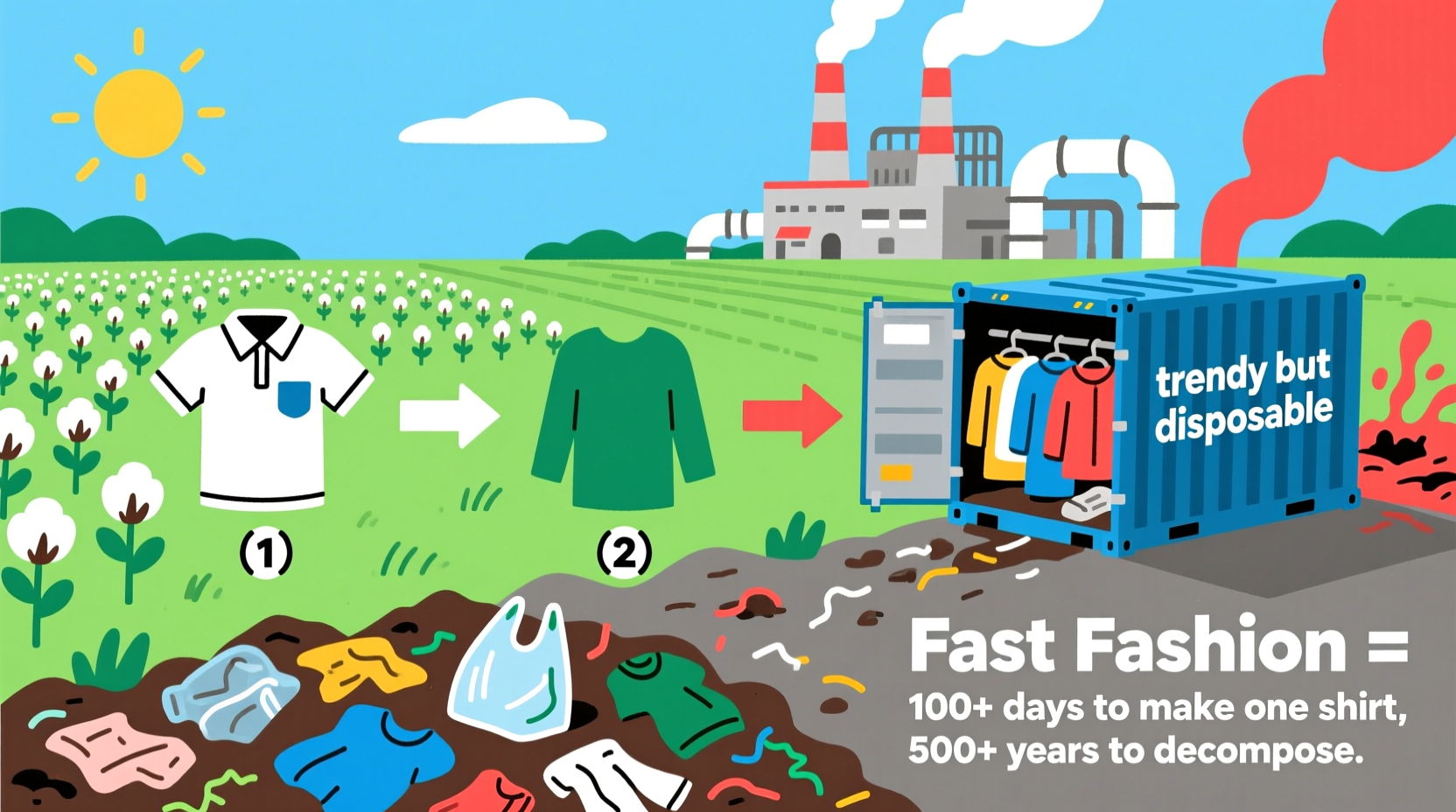
Fast fashion refers to clothing brands that rapidly produce low-cost garments based on the latest trends. Think of stores like Zara, H&M, Shein, and Forever 21. These companies copy runway designs, manufacture them quickly overseas, and flood markets within weeks. The entire model relies on speed, volume, and constant turnover. While this gives shoppers endless variety at low prices, it comes at a steep environmental price.
The core issue is scale. The global apparel industry produces over 100 billion garments annually—about 14 items for every person on Earth. Much of this is unnecessary. Consumers now buy 60% more clothing than they did two decades ago, but keep each item half as long. This cycle fuels overproduction, waste, and pollution.
Water Waste and Pollution
Clothing production is incredibly thirsty. Making a single cotton t-shirt requires about 2,700 liters of water—the same amount an average person drinks over three years. Jeans? Around 7,500 liters per pair. This water isn’t just used for growing cotton; it’s also needed for dyeing, finishing, and washing fabrics.
But the problem goes beyond consumption. Textile dyeing is the second-largest polluter of clean water globally. In countries like Bangladesh, India, and Vietnam, factories dump untreated toxic wastewater directly into rivers. These effluents contain heavy metals, formaldehyde, and chlorine-based bleaches. The result? Rivers run in unnatural colors, aquatic life dies, and local communities lose access to safe drinking water.
“Textile dyeing alone accounts for 20% of global industrial water pollution.” — United Nations Environment Programme
Even synthetic fabrics contribute. When polyester clothes are washed, they shed microfibers—tiny plastic particles that flow into oceans. A single laundry load can release hundreds of thousands of these fibers. They’re ingested by fish, enter the food chain, and have even been found in human blood.
Greenhouse Gas Emissions and Climate Impact
The fashion industry is responsible for about 10% of global carbon emissions—more than all international flights and maritime shipping combined. Synthetic fabrics like polyester are made from fossil fuels. Producing one kilogram of polyester emits nearly 6 kilograms of CO₂. With over 60% of clothing now made from synthetics, the carbon footprint is enormous.
Fast fashion also encourages air freight to move goods quickly. Instead of slow, efficient shipping, trendy pieces are flown across continents to meet demand. Air transport emits significantly more CO₂ per ton-mile than sea or rail. The rush to deliver “this week’s trend” increases the climate burden exponentially.
Additionally, when clothes end up in landfills, they decompose and release methane—a greenhouse gas 25 times more potent than CO₂ over a 100-year period. Polyester garments can take 200+ years to break down, continuously leaching chemicals and microplastics into soil and groundwater.
Waste and Overconsumption
One of the most visible consequences of fast fashion is waste. The average consumer throws away 81 pounds (37 kg) of clothing each year. Less than 1% of material used to produce clothing is recycled into new garments. Most discarded clothes end up in landfills or are incinerated.
In Chile’s Atacama Desert, mountains of unsold clothing pile up—some still with tags attached. Brands often burn excess inventory to protect brand image, rather than sell or donate it. This is not scarcity—it’s planned overproduction.
| Item | Water Used | CO₂ Emitted | Time to Decompose |
|---|---|---|---|
| Cotton T-shirt | 2,700 liters | 5–7 kg | 6 months – 1 year |
| Pair of Jeans | 7,500 liters | 33 kg | 1–2 years |
| Polyester Dress | 500 liters (mainly processing) | 15–20 kg | 200+ years |
The message is clear: we are producing and discarding clothing at a rate the planet cannot sustain. Fast fashion treats clothes like paper plates—use once, throw away. But fabric isn’t biodegradable in bulk, and our ecosystems aren’t equipped to handle this volume of waste.
Exploitation of Resources and Workers
Environmental harm is closely tied to social injustice. Fast fashion depends on cheap labor, often in developing countries with weak labor laws. Garment workers—mostly women—work long hours in unsafe conditions for poverty wages. The 2013 Rana Plaza collapse in Bangladesh, which killed over 1,100 workers, exposed the deadly risks of unregulated production.
But the resource exploitation is equally concerning. Cotton farming uses 2.5% of the world’s cultivated land but consumes 16% of insecticides and 7% of pesticides—more than any other crop. These chemicals degrade soil health, kill beneficial insects, and contaminate water supplies.
Synthetic fibers rely on petroleum extraction, contributing to habitat destruction and oil spills. Viscose (a semi-synthetic fabric) is made from wood pulp, often sourced from ancient and endangered forests. Indonesia, Canada, and Brazil have all seen deforestation linked to viscose production.
“We’re wearing deforestation. Every time you buy a cheap rayon top, you might be wearing a piece of a rainforest.” — Lisa Bos, Forest Campaigner at Canopy
Mini Case Study: The Life of a $5 Shein Top
Let’s follow a typical fast fashion garment: a $5 floral-print blouse from a popular online retailer.
- Design: Copied from a high-end brand spotted on Instagram.
- Production: Manufactured in a Chinese factory using polyester derived from crude oil. Dyes are applied with minimal water treatment.
- Transport: Shipped via air freight to the U.S. to arrive in under two weeks.
- Consumption: Bought during a flash sale. Worn twice—once to a party, once for photos.
- Disposal: Tossed after a stain appears. Ends up in a landfill.
Within weeks, this blouse has traveled thousands of miles, consumed nonrenewable resources, polluted waterways, emitted greenhouse gases, and contributed to textile waste. And it was worn for less than five hours total.
This isn’t an outlier. It’s the standard operating model of fast fashion.
What You Can Do: A Practical Checklist
You don’t need to quit fashion to make a difference. Small, consistent changes add up. Here’s what you can do today:
- ✅ Buy fewer, higher-quality clothes
- ✅ Support ethical and sustainable brands
- ✅ Wash clothes less often and in cold water
- ✅ Use a microfiber filter in your washing machine
- ✅ Repair, alter, or upcycle damaged items
- ✅ Donate or resell clothes instead of trashing them
- ✅ Shop secondhand or rent for special occasions
- ✅ Learn to identify eco-friendly fabrics (e.g., organic cotton, TENCEL™, hemp)
Step-by-Step Guide to Building a Conscious Wardrobe
Moving away from fast fashion doesn’t happen overnight. Follow this timeline to shift your habits sustainably:
- Month 1: Audit Your Closet
Take everything out. Sort by frequency of use. Identify what you actually wear versus what collects dust. - Month 2: Set a No-Buy Challenge
Pause non-essential purchases for 30 days. Reflect on what you truly need. - Month 3: Research Brands
Use apps like Good On You or Project Cece to check brand ethics and sustainability scores. - Month 4: Start Secondhand Shopping
Visit thrift stores, consignment shops, or online platforms like Poshmark, ThredUp, or Depop. - Month 5: Invest in One Quality Piece
Replace a worn-out item with a durable, timeless garment from a responsible brand. - Ongoing: Practice Care & Maintenance
Follow garment labels, air out clothes between wears, and mend small tears promptly.
Frequently Asked Questions
Isn’t sustainable fashion too expensive?
It can seem that way upfront, but think long-term. A $5 shirt worn twice costs $2.50 per wear. A $50 shirt worn 50 times costs $1 per wear. Plus, better materials last longer. You save money by buying less and keeping clothes longer.
Can recycling solve the fashion waste problem?
Not yet. Current recycling technology can’t keep up with the volume of textiles produced. Most blended fabrics (like polyester-cotton mixes) are hard to separate and recycle. Prevention—buying less—is far more effective than hoping for future recycling solutions.
Is renting clothing a good alternative?
Yes, especially for special occasion outfits. Renting reduces demand for new production and keeps garments in use longer. Just avoid renting frequently for everyday wear—that can still encourage overconsumption.
Conclusion: Your Choices Matter
Fast fashion thrives because it’s convenient and socially reinforced. But awareness is growing. People are realizing that true style isn’t about having the newest look—it’s about making thoughtful choices that reflect values.
You don’t have to be perfect. You just have to care enough to act. Every time you choose quality over quantity, repair over replace, or secondhand over new, you reject the throwaway culture. You vote for cleaner water, fair labor, and a stable climate—with your wallet.
The fashion industry won’t change unless consumers demand it. And that demand starts with you.




 浙公网安备
33010002000092号
浙公网安备
33010002000092号 浙B2-20120091-4
Comments
No comments yet. Why don't you start the discussion?