
Every year, millions of new clothing items flood stores—cheap, trendy, and designed to be worn a few times before being discarded. This cycle defines fast fashion, an industry model built on speed, low cost, and high volume. While it makes style accessible, the true cost is hidden in the environmental damage it causes. From polluted rivers to overflowing landfills, the consequences are severe and widespread. Understanding this impact isn’t about guilt; it’s about awareness and informed choices.
The Fast Fashion Model: Speed Over Sustainability
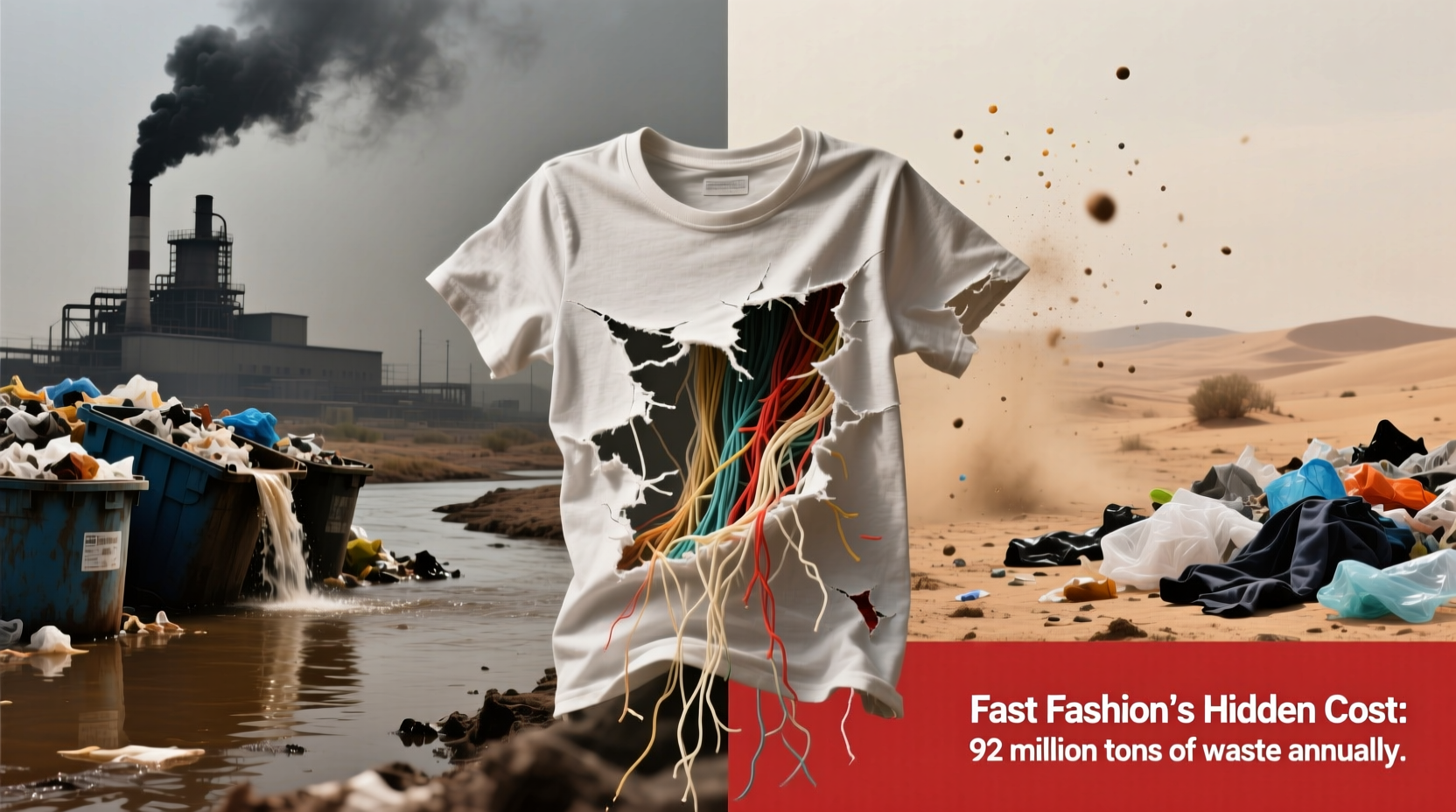
Fast fashion brands produce new collections every few weeks, mimicking runway trends at a fraction of the price. To keep costs low, companies rely on mass production in countries with minimal labor and environmental regulations. Garments are made quickly using synthetic fabrics and chemical dyes, then shipped globally. The entire system prioritizes turnover over durability, encouraging consumers to buy more and discard faster.
This business model has reshaped consumer behavior. Where people once owned fewer, higher-quality clothes, many now treat clothing as disposable. The average person buys 60% more clothing than they did 15 years ago—and keeps each item half as long. This shift fuels overproduction, resource depletion, and massive waste.
Water Consumption and Pollution
Clothing production is one of the most water-intensive industries on Earth. It takes about 2,700 liters of water to make a single cotton t-shirt—that’s enough drinking water for one person for nearly three years. Much of this water is used in growing cotton, which often relies on irrigation in already dry regions like Uzbekistan or India.
Beyond consumption, textile manufacturing pollutes freshwater sources. Dyeing and finishing processes release toxic chemicals into rivers. In places like Bangladesh and China, where much of the world’s clothing is produced, wastewater from factories often flows untreated into local waterways. These effluents contain heavy metals, solvents, and synthetic dyes that harm aquatic life and contaminate drinking water.
Microplastics and Ocean Contamination
Over 60% of clothing today is made from synthetic fibers like polyester, nylon, and acrylic—materials derived from fossil fuels. When these clothes are washed, they shed tiny plastic fibers known as microplastics. A single load can release hundreds of thousands of microfibers into wastewater systems.
Most treatment plants cannot filter out these microscopic particles, so they end up in oceans and lakes. Marine animals ingest them, and the plastics move up the food chain—eventually reaching humans who eat seafood. Studies estimate that the average person could be ingesting a credit card's worth of plastic every week, partly due to textile pollution.
“Microfiber pollution from textiles is now recognized as one of the largest sources of primary microplastic in the ocean.” — United Nations Environment Programme (UNEP)
Greenhouse Gas Emissions and Climate Change
The fashion industry accounts for about 10% of global carbon emissions—more than all international flights and maritime shipping combined. Most emissions come from fabric production, manufacturing, and transportation. Synthetic fibers like polyester require large amounts of energy to produce and emit greenhouse gases throughout their lifecycle.
Additionally, the globalized supply chain means raw materials are grown in one country, processed in another, assembled elsewhere, and sold worldwide. This long-distance movement multiplies emissions. For example, a cotton shirt might travel over 40,000 kilometers before reaching a store shelf.
As demand grows, so do emissions. If the industry continues on its current path, its carbon footprint could increase by more than 50% by 2030, undermining global climate goals.
Textile Waste and Landfill Overflow
Fast fashion encourages a throwaway culture. In the U.S. alone, around 11 million tons of textiles are thrown away each year. Less than 15% is recycled; the rest ends up in landfills or is incinerated. Clothing made from synthetic fibers can take hundreds of years to decompose, releasing methane—a potent greenhouse gas—as they break down.
Even donated clothes often don’t escape waste. Only a small portion is resold locally. The rest is baled and shipped overseas, primarily to Africa, Latin America, and Asia. In countries like Ghana, secondhand markets are overwhelmed. Mountains of unwanted clothing pile up on beaches and in informal dumpsites, creating environmental and social problems.
| Impact Area | Problem | Scale of Impact |
|---|---|---|
| Water Use | High consumption for cotton farming and dyeing | 2,700L per t-shirt; industry uses ~93 billion cubic meters/year |
| Chemical Pollution | Toxic dyes and treatments enter waterways | 20% of industrial water pollution comes from textile dyeing |
| Carbon Emissions | Fossil fuel-based production and transport | ~1.2 billion tons CO₂ annually—10% of global total |
| Waste Generation | Short garment lifespan and low recycling | One garbage truck of textiles burned or dumped every second |
| Microplastics | Synthetic fiber shedding during washing | 500,000 tons of microfibers enter oceans yearly |
Deforestation and Resource Depletion
While cotton dominates headlines, newer “eco-friendly” fabrics like viscose and rayon also carry environmental risks. These materials are made from wood pulp, often sourced from ancient and endangered forests. Between 2013 and 2018, an area of forest the size of Italy was logged to produce cellulosic fabrics.
Brands may market these materials as biodegradable or plant-based, but the process of turning wood into wearable fabric involves toxic chemicals like carbon disulfide, which harms workers and ecosystems. Without strict sourcing standards, even “natural” fibers contribute to habitat loss and biodiversity decline.
A Real Example: The Aral Sea Disaster
One of the most dramatic examples of fashion’s environmental toll is the disappearance of the Aral Sea. Once the fourth-largest lake in the world, it spanned parts of Kazakhstan and Uzbekistan. In the mid-20th century, Soviet authorities diverted rivers feeding the sea to irrigate cotton fields. Over decades, the water receded, leaving behind a toxic desert.
Today, the region suffers from extreme dust storms laced with agricultural chemicals. Local communities face respiratory diseases and contaminated water. While cotton farming has declined, the legacy remains—a stark warning of how fashion’s thirst for raw materials can destroy entire ecosystems.
What Can Be Done? Practical Steps Toward Change
The scale of fast fashion’s impact can feel overwhelming, but individual and collective actions matter. Reducing consumption, supporting ethical brands, and extending garment life all help reduce demand for new production.
Step-by-Step Guide to Reducing Your Fashion Footprint
- Assess your wardrobe: Identify what you wear regularly and what goes unused. This helps clarify your actual needs.
- Buy less, choose well: Invest in timeless pieces made from durable, sustainable materials.
- Support transparent brands: Look for companies that disclose their supply chains and prioritize eco-friendly practices.
- Wash clothes responsibly: Use cold water, full loads, and a microfiber filter bag to reduce shedding.
- Repair and reuse: Mend torn seams, replace buttons, or alter fit instead of discarding.
- Donate or resell thoughtfully: Give quality items to charities or sell them online to extend their life.
- Recycle properly: Check local textile recycling programs for unusable fabrics.
Checklist: Sustainable Fashion Habits
- ✅ Wash clothes in cold water
- ✅ Air-dry instead of using a dryer
- ✅ Use a Guppyfriend bag or Cora Ball to catch microfibers
- ✅ Buy secondhand or rent special occasion outfits
- ✅ Avoid impulse purchases—wait 48 hours before buying
- ✅ Learn basic mending skills
- ✅ Support slow fashion brands with certifications like GOTS or Fair Trade
“Sustainability isn’t about perfection. It’s about making better choices consistently.” — Livia Firth, Creative Director of Eco-Age
Frequently Asked Questions
Is secondhand shopping really better for the environment?
Yes. Buying used clothing extends the life of existing garments and reduces demand for new production. It also prevents usable items from ending up in landfills. Thrift stores, online resale platforms, and clothing swaps are all effective ways to shop sustainably.
Are natural fibers always better than synthetics?
Not necessarily. While cotton, wool, and linen are biodegradable, conventional cotton farming uses vast amounts of water and pesticides. Organic and regenerative farming methods improve this, but the key is balance—choosing fibers based on transparency, durability, and environmental certification rather than just material type.
Can recycling solve the fashion waste problem?
Not at scale. Current recycling technologies struggle with blended fabrics and degraded fibers. Less than 1% of clothing is turned into new clothing. Recycling should be a last resort after reuse and repair. The focus must be on reducing production and consumption first.
Conclusion: Rethinking What We Wear
Fast fashion’s environmental impact is deep and far-reaching—from poisoned rivers to choked landfills and a warming planet. But change is possible. Every time we choose to repair instead of replace, buy less, or support responsible brands, we push back against a broken system.
The solution isn’t to shame consumers, but to build a culture of care around clothing. Clothes were once valued for their utility and craftsmanship. Reclaiming that mindset—seeing garments as resources, not disposables—is essential for a healthier planet.




 浙公网安备
33010002000092号
浙公网安备
33010002000092号 浙B2-20120091-4
Comments
No comments yet. Why don't you start the discussion?