
Walk into any fast food restaurant, and within minutes you’re handed a meal that’s hot, salty, sweet, and deeply satisfying. It tastes good—so good that even when you're full, you might still want more. This isn’t by accident. Fast food is meticulously designed not just to feed you, but to keep you coming back. The reason lies in a powerful combination of neuroscience, food engineering, and behavioral psychology. Understanding why fast food is so addictive begins with recognizing how it hijacks the brain's natural reward system.
The Brain’s Reward System and Dopamine
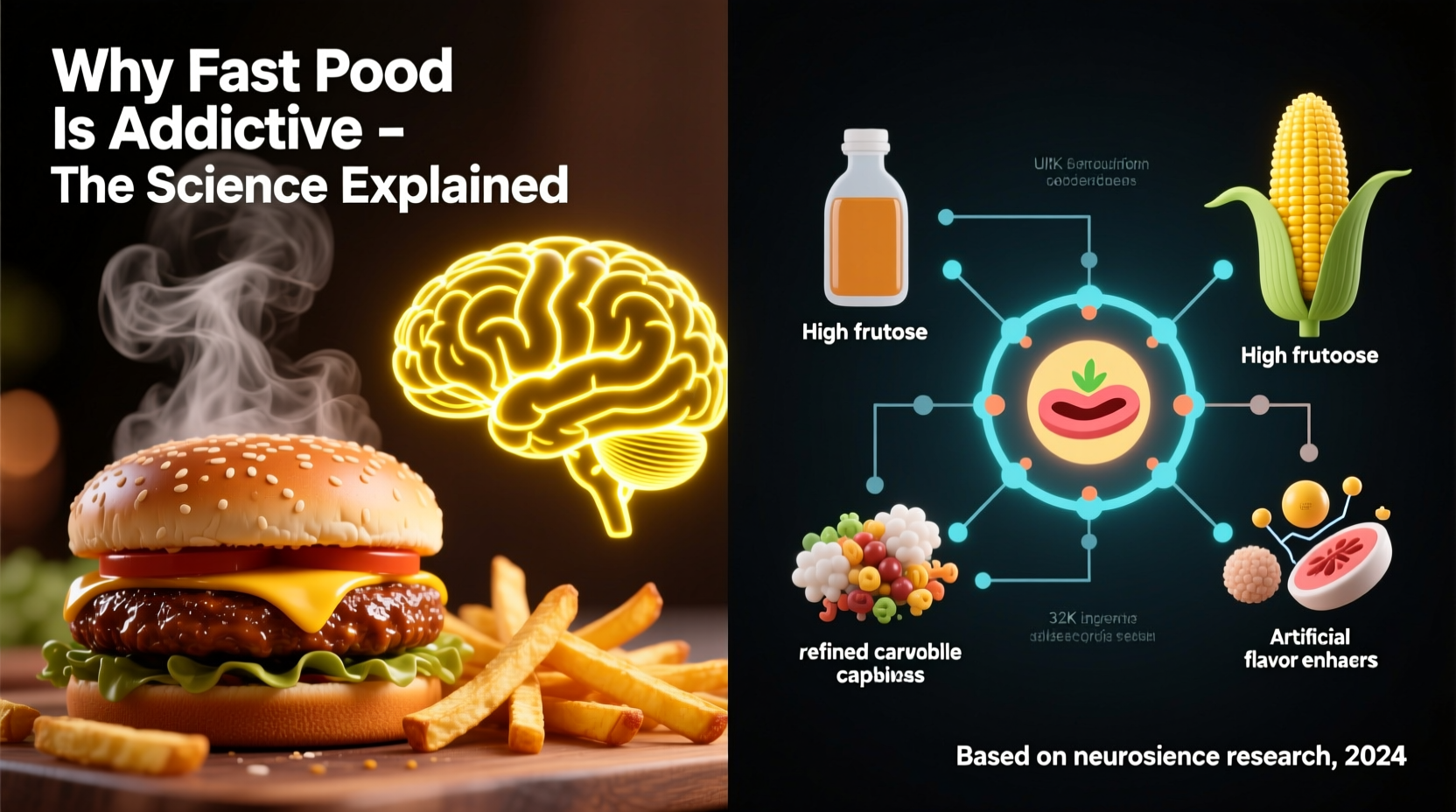
At the core of addiction—whether to substances or behaviors—is dopamine, a neurotransmitter responsible for pleasure, motivation, and reinforcement. When you eat something highly palatable, like a cheeseburger or fries, your brain releases dopamine, creating a sense of satisfaction. This mechanism evolved to encourage survival behaviors like eating calorie-dense foods during times of scarcity.
Fast food manufacturers exploit this biological pathway. Foods high in sugar, fat, and salt trigger a disproportionately large dopamine response compared to whole, unprocessed foods. Over time, repeated exposure dulls the brain’s sensitivity to dopamine, requiring more intense stimuli to achieve the same pleasure. This leads to cravings and compulsive consumption—hallmarks of behavioral addiction.
“Ultra-processed foods are engineered to override our natural satiety signals. They don’t just taste good—they’re designed to be irresistible.” — Dr. David Kessler, former FDA Commissioner and author of *The End of Overeating*
The Bliss Point: Engineering the Perfect Bite
Food scientists spend millions of dollars researching what they call the “bliss point”—the precise balance of sugar, fat, salt, and texture that maximizes enjoyment and minimizes sensory fatigue. Hit this point, and people won’t feel full or satisfied; instead, they’ll keep eating.
Take soda, for example. A typical soft drink contains around 10 teaspoons of sugar. At lower concentrations, it might taste flat; at higher levels, it becomes cloying. The bliss point is where sweetness feels just right—enticing enough to finish the entire can, then crave another.
This concept extends beyond drinks. Potato chips, ice cream, and fried chicken are all calibrated to deliver maximum flavor bursts with minimal chewing effort. The result? Mouthfeel that encourages mindless consumption.
The Role of Sugar, Fat, and Salt: The Addictive Triad
Individually, sugar, fat, and salt enhance flavor. Combined, they create a synergistic effect that overwhelms the brain’s regulatory systems. Here’s how each contributes:
- Sugar: Triggers rapid dopamine release and insulin spikes, leading to energy crashes and renewed cravings.
- Fat: Slows digestion, prolonging the pleasurable sensation of eating and enhancing flavor absorption.
- Salt: Enhances other flavors and stimulates appetite, making bland foods suddenly desirable.
Fast food meals rarely rely on one of these elements—they combine all three. A single fast food burger with fries and a milkshake delivers more than half the recommended daily intake of sugar, saturated fat, and sodium. This overload conditions the brain to expect high-intensity flavor, making natural foods like fruits and vegetables seem boring by comparison.
Comparison of Nutrient Content: Fast Food vs. Whole Foods
| Meal | Calories | Sugar (g) | Fat (g) | Sodium (mg) |
|---|---|---|---|---|
| Double Cheeseburger + Fries + Soda | 1,250 | 78 | 52 | 2,800 |
| Grilled Chicken Salad + Water | 420 | 8 | 18 | 620 |
The data shows a stark contrast: processed fast food delivers extreme levels of rewarding ingredients, while whole foods provide balanced nutrition without overstimulation.
How Marketing and Environment Amplify Addiction
Addiction isn’t only biochemical—it’s also behavioral. Fast food companies use psychological tactics to reinforce habitual consumption:
- Convenience: Drive-thrus, delivery apps, and 24-hour access reduce friction, making indulgence effortless.
- Pricing: Value menus and supersizing encourage overconsumption by offering more for less.
- Branding: Bright colors, jingles, and mascots create emotional associations from childhood.
- Location density: Urban areas often have more fast food outlets than grocery stores, normalizing frequent visits.
A real-world example illustrates this: Maria, a 34-year-old office worker, started grabbing lunch from the same fast food chain every day. What began as a time-saving choice became routine. Within weeks, she found herself craving the meal even when not hungry. She realized the restaurant was two blocks from her office, offered a mobile app with rewards, and had a drive-thru that made pickup faster than walking to a café. Her environment had quietly shaped her behavior.
Breaking the Cycle: A Step-by-Step Guide
Overcoming fast food addiction requires awareness, planning, and gradual change. Follow this timeline to retrain your brain and eating habits:
- Week 1–2: Track Your Triggers
Keep a journal of when and why you choose fast food. Is it stress, boredom, convenience, or genuine hunger? - Week 3–4: Replace, Don’t Restrict
Swap one fast food meal per week with a homemade version (e.g., baked fries, grilled chicken sandwich). Focus on matching flavor, not eliminating pleasure. - Month 2: Rebuild Your Environment
Remove fast food apps from your phone, avoid driving through known temptation zones, and stock your kitchen with easy-to-prepare healthy options. - Month 3: Retrain Your Palate
Gradually reduce added sugar and salt in home cooking. You’ll start noticing artificial flavors and excessive seasoning in fast food more clearly. - Ongoing: Practice Mindful Eating
Eat slowly, without screens. Notice textures, temperatures, and satiety cues. This strengthens your body’s natural regulation system.
Frequently Asked Questions
Is fast food addiction recognized as a medical condition?
While “food addiction” is not officially classified in the DSM-5, research shows that ultra-processed foods activate the same brain regions as drugs of abuse. Many experts consider certain eating patterns clinically comparable to substance dependence.
Can children become addicted to fast food?
Yes. Children’s developing brains are especially vulnerable to hyper-palatable foods. Early exposure can establish lifelong preferences and increase obesity risk. Limiting access and modeling healthy eating are crucial protective steps.
Are some fast food items worse than others?
Items combining sugar, fat, and salt in high quantities—like milkshakes, fried chicken sandwiches, and loaded nachos—are most likely to trigger addictive responses. Simpler options like grilled chicken wraps or side salads are less stimulating.
Key Strategies to Reduce Fast Food Dependence
- Plan meals weekly to avoid last-minute decisions.
- Cook double portions and freeze leftovers.
- Choose restaurants with transparent ingredient lists.
- Drink water before meals to assess true hunger.
- Allow occasional treats without guilt—restriction often backfires.
“The goal isn’t perfection. It’s building resilience against an industry designed to make self-control exhausting.” — Dr. Ashley Gearhardt, Yale Food Addiction Science Researcher
Take Control of Your Eating Habits
Fast food isn’t inherently evil, but its design makes moderation difficult. By understanding the science of flavor engineering, brain chemistry, and behavioral conditioning, you gain power over your choices. Awareness is the first step. From there, small, consistent actions can rebuild your relationship with food—not as a source of instant gratification, but as nourishment and sustainable pleasure.




 浙公网安备
33010002000092号
浙公网安备
33010002000092号 浙B2-20120091-4
Comments
No comments yet. Why don't you start the discussion?