
Fentanyl has become one of the most dangerous contributors to the opioid crisis in the United States and beyond. Originally developed as a powerful prescription painkiller, this synthetic opioid is now frequently found mixed into other illicit drugs—often without the user’s knowledge. The presence of fentanyl in street drugs like heroin, cocaine, methamphetamine, and even counterfeit pills has led to a sharp rise in overdose deaths. Understanding why fentanyl is added to these substances—and the extreme risks involved—is critical for public awareness, harm reduction, and policy development.
The Role of Fentanyl in Illicit Drug Markets
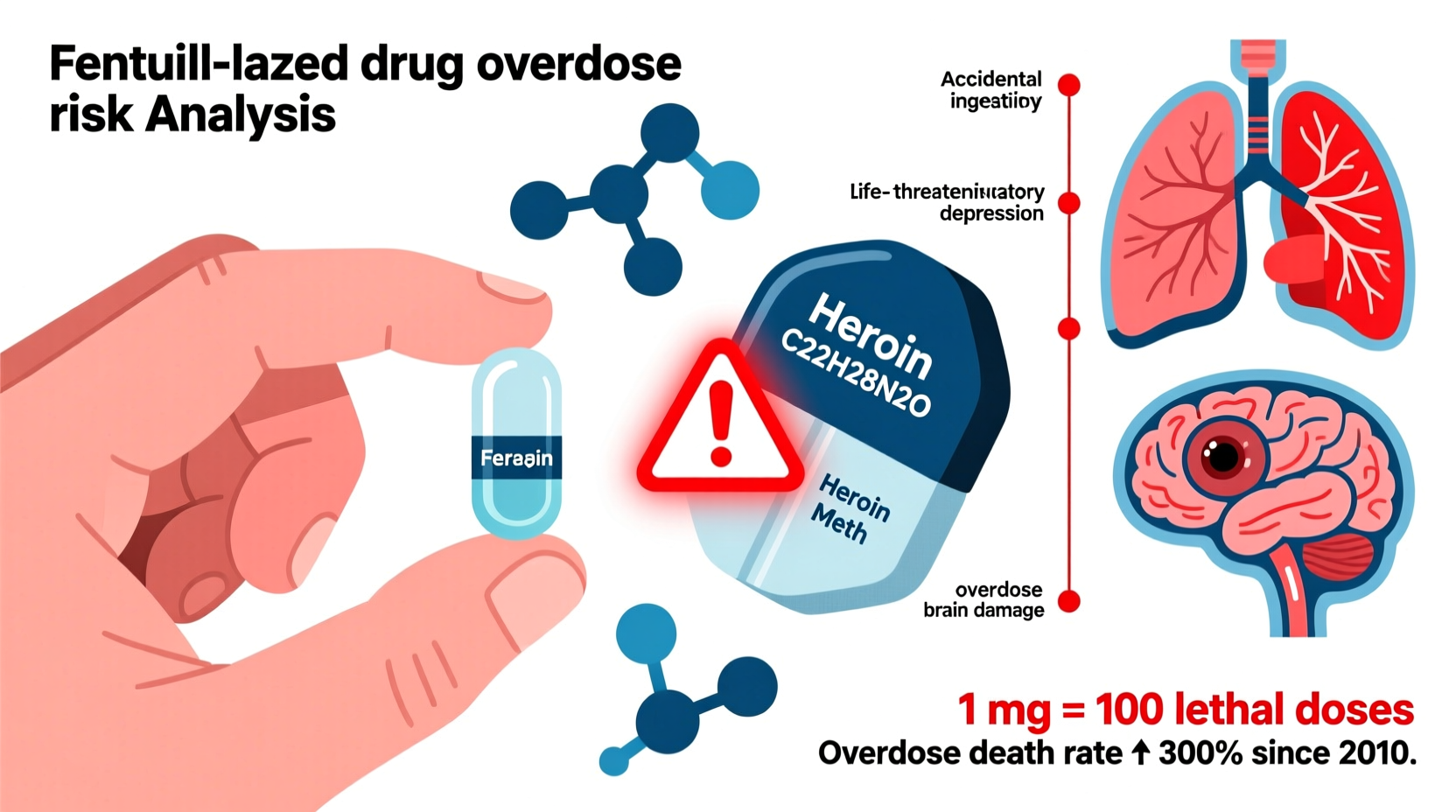
Fentanyl is approximately 50 to 100 times more potent than morphine and about 50 times stronger than heroin. Its high potency makes it extremely effective at producing intense euphoria and pain relief, but also drastically increases the risk of respiratory depression and fatal overdose. Despite its medical uses in controlled settings, fentanyl has infiltrated the illegal drug supply due to several economic and logistical factors.
Drug dealers often mix fentanyl into other substances because it is cheap to produce, easy to transport in small quantities, and highly addictive. A tiny amount can significantly enhance the perceived strength of a batch, making users believe they are getting a more potent product. This leads to repeat purchases and increased dependency—both of which benefit suppliers seeking profit.
Why Dealers Add Fentanyl: Key Reasons
- Cost Efficiency: Fentanyl is far cheaper to manufacture than natural opioids like heroin, which require poppy cultivation and complex processing.
- Potency Boost: Small amounts dramatically increase the intensity of the high, encouraging repeated use.
- Supply Chain Advantage: It's easier to smuggle in powder form due to its low weight and volume.
- Addiction Reinforcement: Users develop tolerance quickly, leading to higher consumption and dependence.
- Market Competition: In saturated markets, dealers cut their products with fentanyl to stand out as offering a “stronger” version.
This combination of profitability and effectiveness makes fentanyl an attractive additive for unregulated drug producers, despite the catastrophic health consequences.
Risks of Fentanyl-Adulterated Drugs
The primary danger lies in unpredictability. Users rarely know whether fentanyl is present, and if so, in what concentration. Because fentanyl is so potent, even a milligram—or less—can be lethal, especially to someone with no opioid tolerance.
“Fentanyl doesn’t discriminate. It’s showing up in everything from fake oxycodone pills to speedballs. One pill can kill.” — Dr. Nora Volkow, Director, National Institute on Drug Abuse (NIDA)
Common risks include:
- Sudden respiratory failure within minutes of ingestion
- Increased likelihood of overdose when combined with depressants like alcohol or benzodiazepines
- Unintentional addiction due to repeated exposure, even among casual users
- Difficulty reversing overdoses, especially when multiple substances are involved
In many cases, individuals who believe they are using a stimulant like cocaine have unknowingly consumed fentanyl-laced product and suffered fatal outcomes. According to the CDC, synthetic opioids like fentanyl were involved in nearly 70% of all drug overdose deaths in the U.S. in 2022.
Table: Common Drugs Adulterated with Fentanyl and Associated Risks
| Drug Type | Why Mixed With Fentanyl? | Risks |
|---|---|---|
| Heroin | To increase potency and stretch supply | Extreme overdose risk; rapid onset of respiratory depression |
| Cocaine | Creates a “speedball” effect (stimulant + opioid combo) | Cardiovascular strain; harder to detect overdose symptoms |
| Methamphetamine | Enhances euphoric effects and increases dependency | Masked sedation leading to delayed intervention during overdose |
| Counterfeit Pills (e.g., fake Xanax, Oxycodone) | Easy to press into tablets; mimics appearance of prescription meds | Youth and first-time users at high risk; mistaken belief in safety |
Real-World Example: The Case of Fake Prescription Pills
In 2021, a 17-year-old student in suburban Ohio purchased what he believed to be generic Adderall from a friend at school. He took one pill before an exam, collapsed shortly after, and was pronounced dead hours later. Toxicology reports revealed the tablet contained not amphetamines, but a lethal dose of fentanyl. This tragic case highlights how misinformation, peer networks, and the accessibility of counterfeit pills are contributing to youth fatalities.
This is not an isolated incident. The DEA has reported that four out of ten seized counterfeit pills contain a potentially lethal dose of fentanyl. These pills are often made to look identical to real medications, complete with imprints and colors, deceiving even cautious users.
Step-by-Step Guide: How to Reduce Risk When Using Substances
While abstinence is the safest option, harm reduction strategies can save lives for those currently using drugs:
- Test Your Drugs: Use fentanyl test strips before consuming any substance. Dip a small portion of the drug in water and apply the strip. A single line indicates fentanyl presence.
- Start Low, Go Slow: If using, begin with a very small amount to assess potency and reaction.
- Never Use Alone: Have someone present who can call emergency services or administer naloxone.
- Keep Naloxone On Hand: This life-saving medication can reverse opioid overdoses. Many community programs offer it for free.
- Call 911 Immediately: Overdose is a medical emergency. Good Samaritan laws protect callers in many areas.
Checklist: Essential Harm Reduction Practices
- ✅ Carry naloxone (Narcan) at all times
- ✅ Use fentanyl test strips before consumption
- ✅ Avoid mixing substances, especially depressants
- ✅ Inform someone of your location when using
- ✅ Know the signs of overdose: slow or stopped breathing, unresponsiveness, blue lips or nails
- ✅ Learn how to perform rescue breathing and administer naloxone
Frequently Asked Questions
Can you smell or taste fentanyl in drugs?
No. Fentanyl is odorless and tasteless. You cannot detect it without chemical testing, such as with fentanyl test strips.
Is fentanyl only found in heroin?
No. While commonly associated with heroin, fentanyl has been found in cocaine, methamphetamine, marijuana edibles, and counterfeit pills designed to mimic prescription medications.
How fast does a fentanyl overdose occur?
Symptoms can appear within minutes, especially when injected or smoked. Respiratory depression may begin in under two minutes, making immediate intervention critical.
Conclusion: Awareness Saves Lives
The infiltration of fentanyl into the illicit drug supply is not accidental—it’s a consequence of market forces, lack of regulation, and insufficient access to treatment and education. But knowledge empowers prevention. By understanding why fentanyl is added to drugs and recognizing the profound risks involved, individuals, families, educators, and policymakers can take meaningful steps toward harm reduction and recovery support.
If you or someone you know uses substances, start by obtaining fentanyl test strips and naloxone. Share this information with others. Advocate for better drug education in schools and communities. Every conversation about fentanyl reduces stigma and increases the chance of survival.




 浙公网安备
33010002000092号
浙公网安备
33010002000092号 浙B2-20120091-4
Comments
No comments yet. Why don't you start the discussion?