
Flocking on Christmas trees has long been a hallmark of nostalgic holiday aesthetics, evoking images of snowy forest scenes and vintage holiday cards. Whether seen on artificial trees in living rooms or featured in classic films, the frosted appearance created by flocking adds charm and realism. But beyond its visual appeal, flocking raises important questions—particularly around safety. Does this decorative finish increase fire risk? Is it safe to use near lights and heat sources? And what are the real trade-offs between beauty and fire resistance?
This article explores the science, history, and practical implications of flocking on Christmas trees. From understanding how flocking is applied to evaluating its flammability, we’ll examine both the allure and the risks. You'll also find actionable guidance on safer alternatives, proper maintenance, and expert-backed recommendations for enjoying a festive yet secure holiday season.
The Origins and Aesthetic Purpose of Flocking
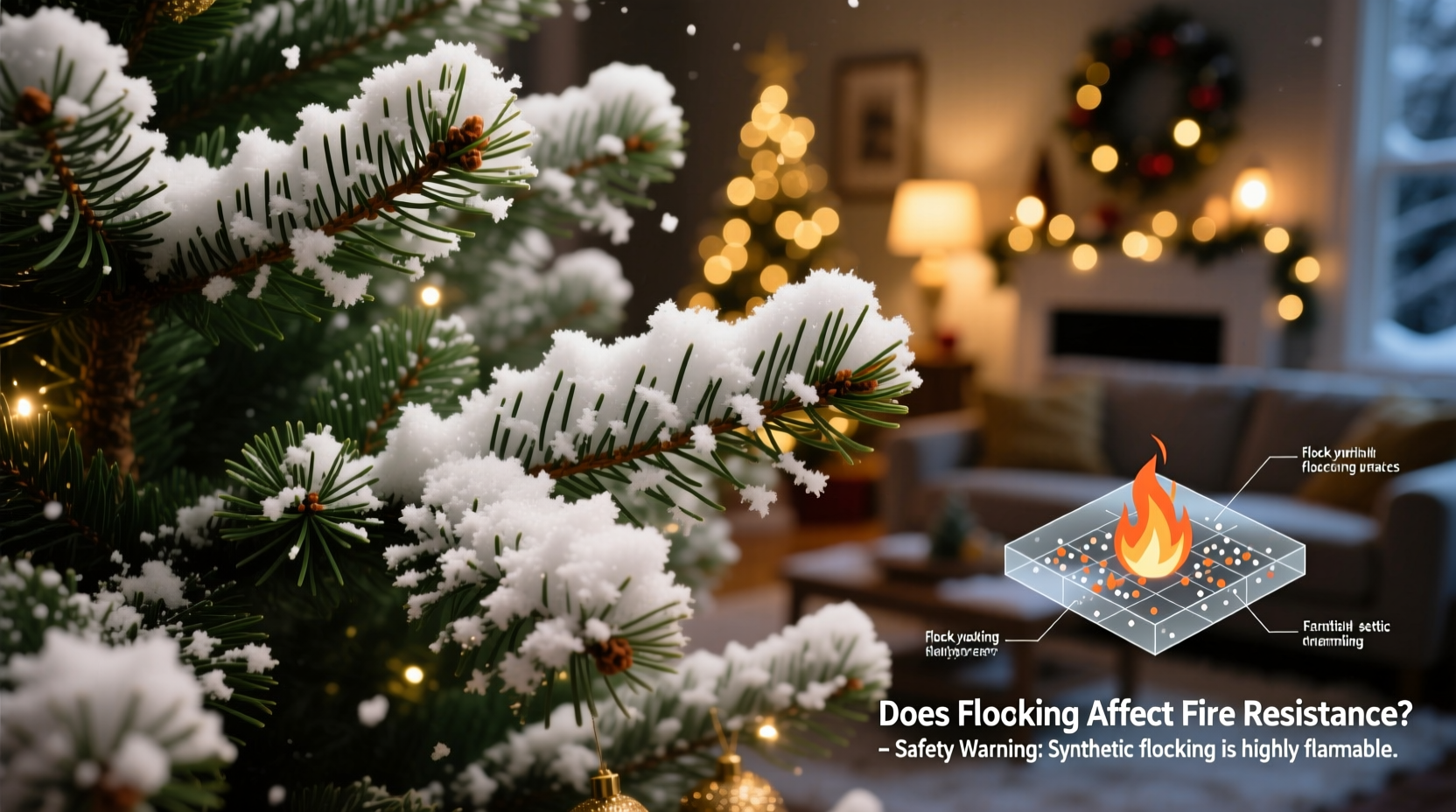
Flocking dates back to the early 20th century when manufacturers began experimenting with ways to make artificial Christmas trees appear more lifelike. Before widespread electrification of homes, candles were used to illuminate trees, creating a warm but dangerous glow. As electric lights became common, demand grew for trees that looked like they were dusted with fresh snow—especially in regions where natural snowfall was rare.
Flocking fulfilled that need. The process involves applying fine fibers—typically cellulose or synthetic materials—to the surface of tree branches using an adhesive. These tiny particles adhere uniformly, mimicking the look of frost or freshly fallen snow. Over time, flocking became associated not just with realism, but with tradition itself.
Today, flocking remains popular in both home décor and film production. It’s often used in holiday displays, department store windows, and cinematic sets to instantly convey a wintry atmosphere. For many families, a flocked tree isn’t just decorative—it’s emotional, tied to childhood memories and seasonal rituals.
How Flocking Is Applied: Materials and Methods
Flocking can be factory-applied or done at home using aerosol sprays. Factory-flocked trees typically undergo a controlled electrostatic process where charged fibers are attracted to adhesive-coated branches, ensuring even distribution. This method produces a consistent, durable finish.
DIY flocking kits, on the other hand, rely on spray adhesives and loose fiber powders. While convenient, these consumer-grade applications vary widely in quality. Some formulations dry brittle, shed easily, or react poorly to humidity. The materials used often include:
- Cellulose fibers: Made from recycled paper, commonly used due to low cost and biodegradability.
- Polyester or acrylic fibers: More durable and resistant to shedding, but potentially more flammable.
- Adhesives: Water-based or solvent-based binders that hold the fibers in place.
- Fire retardants (optional): Some commercial flocking includes flame-resistant additives, though this is not universal.
The composition directly impacts both appearance and safety. Not all flocking is created equal—some types are engineered for durability and reduced flammability, while others prioritize cost and ease of use over performance.
Flocking and Fire Resistance: What the Research Shows
One of the most pressing concerns about flocked Christmas trees is their fire behavior. Dry, fibrous materials can ignite quickly when exposed to open flames or high heat—especially when combined with electrical lighting. The U.S. Consumer Product Safety Commission (CPSC) has long warned against fire hazards associated with decorated trees, noting that between 2016 and 2020, Christmas tree fires accounted for an average of 150 house fires annually, resulting in several deaths and millions in property damage.
Flocking contributes to this risk. Studies conducted by fire safety laboratories indicate that flocked trees—particularly those treated with non-treated cellulose flocking—can ignite faster than unflocked artificial trees. Once ignited, the fine fibers act like kindling, accelerating flame spread.
“Any added material on a Christmas tree increases fuel load. Flocking, especially if untreated, can turn a slow-burning plastic tree into a flashpoint hazard.” — Dr. Linda Harper, Fire Safety Engineer, National Decorative Products Institute
The danger is compounded when flocking accumulates dust or is placed near heat sources such as space heaters, fireplaces, or incandescent lights. Even LED lights, while cooler, can generate enough localized heat over time to pose a risk if wires are damaged or improperly installed.
Do Fire Retardants Make Flocking Safe?
Some manufacturers treat flocking with fire-retardant chemicals to reduce flammability. These additives interfere with combustion by slowing ignition, reducing flame spread, or promoting charring instead of flaming. However, effectiveness varies significantly based on concentration, application method, and environmental exposure.
A key limitation is durability: fire retardants can degrade over time, especially when exposed to sunlight, moisture, or cleaning agents. A tree that passed flammability tests at the factory may become increasingly hazardous after years of storage and reuse.
Moreover, there is no mandatory labeling standard requiring disclosure of whether flocking contains flame retardants. Consumers often have no way to verify claims unless the product carries certification from organizations like Underwriters Laboratories (UL) or meets ASTM F2645 (Standard Specification for Electrically Operated Artificial Christmas Trees).
Safety Comparison: Flocked vs. Unflocked Trees
To better understand the risks, here's a comparison of different tree types based on fire performance, maintenance, and overall safety.
| Tree Type | Flammability Risk | Dust Accumulation | Lifespan | Recommended For |
|---|---|---|---|---|
| Factory-Flocked (Untreated) | High | High | 3–5 years | Vintage display (with precautions) |
| Factory-Flocked (Fire-Retardant Treated) | Moderate | High | 5–7 years | Indoor display with LED lights |
| DIY Flocked (Spray-Applied) | Very High | Very High | 1–2 seasons | Short-term use only |
| Unflocked Artificial Tree | Low to Moderate | Moderate | 10+ years | General household use |
| Real Tree (Freshly Cut) | Increases over time | Low | 1 season | Traditionalists with watering routine |
This table highlights a critical insight: while flocking enhances aesthetics, it consistently increases fire risk and maintenance demands. Real trees, though initially less flammable than flocked ones, become highly combustible when dried out—another reason why moisture management is essential regardless of tree type.
Best Practices for Using Flocked Trees Safely
If you own or plan to use a flocked Christmas tree, safety should be your top priority. The following checklist outlines essential steps to minimize fire hazards and maintain your tree responsibly.
🎄 Flocked Tree Safety Checklist
- Verify whether the tree is labeled as “fire-resistant” or meets UL 2354 or ASTM F2645 standards.
- Use only cool-burning LED lights rated for indoor use; avoid incandescent bulbs.
- Inspect all light strings for frayed wires, loose connections, or overheating signs before installation.
- Keep the tree at least three feet away from heat sources including radiators, fireplaces, and candles.
- Never leave lights on unattended or while sleeping.
- Place the tree on a stable stand to prevent tipping, especially in homes with pets or children.
- Use a timer to automatically turn off lights after 8–10 hours of daily use.
- Store the tree in a sealed bag when not in use to reduce dust buildup and fiber degradation.
- Avoid using additional flammable decorations such as tinsel sprays, paper garlands, or aerosol snow.
- Have a working smoke detector within 10 feet of the tree and test it monthly during the season.
Real-World Example: A Preventable Holiday Fire
In December 2021, a family in Ohio experienced a devastating Christmas tree fire that started shortly after midnight. Their pre-lit, DIY-flocked artificial tree had been sprayed two years earlier using an off-brand aerosol kit. Though the lights were LED, one faulty socket generated excessive heat. Within minutes, the flocking ignited, spreading flames to nearby curtains and furniture.
The family escaped unharmed thanks to a bedroom smoke alarm, but the living room was destroyed. Fire investigators later confirmed that the flocking contained no fire-retardant chemicals and had accumulated significant dust, lowering its ignition threshold. The incident made local news and prompted discussions about consumer awareness and product labeling.
This case illustrates how seemingly minor oversights—a non-certified flocking product, old wiring, lack of monitoring—can combine into a serious hazard. It also underscores the importance of proactive safety measures, even with modern lighting technology.
Frequently Asked Questions
Can I make my existing flocked tree fireproof?
You cannot truly \"fireproof\" a flocked tree at home. While some commercial flame-retardant sprays exist, their effectiveness on already-applied flocking is limited and temporary. Reapplication may damage fibers or create uneven coverage. The safest approach is prevention: use certified equipment, maintain distance from heat, and monitor usage closely.
Are pre-flocked trees from major retailers safer than DIY options?
Generally, yes. Major retailers like Balsam Hill, Home Depot, and Lowe’s often source trees that meet UL or ASTM fire safety standards. These trees typically use treated flocking and are tested for flammability. Always check product labels and packaging for compliance statements before purchase.
Is white flocking more dangerous than colored versions?
No—color does not determine flammability. Both white and colored flocking carry similar risks depending on base materials and treatment. White flocking may appear more prominent, but the underlying fire behavior depends on fiber type and chemical additives, not pigment.
Conclusion: Balancing Beauty and Safety
Flocking brings a timeless winter wonderland effect to Christmas trees, enriching holiday traditions with visual depth and nostalgic warmth. Yet its appeal must be weighed against real fire safety concerns. Untreated or poorly maintained flocked trees can become significant hazards, particularly in homes with older wiring, heating systems, or inconsistent decoration practices.
The good news is that informed choices make a difference. By selecting certified trees, using LED lighting, maintaining clearances, and following best practices, you can enjoy the beauty of flocking without compromising safety. Advances in materials science continue to improve fire-resistant formulations, and greater consumer awareness is driving demand for transparency in labeling.
As you prepare for the holidays, remember that tradition doesn’t have to come at the cost of risk. With thoughtful planning and vigilance, your Christmas tree can be both stunning and secure—a centerpiece of joy, not danger.




 浙公网安备
33010002000092号
浙公网安备
33010002000092号 浙B2-20120091-4
Comments
No comments yet. Why don't you start the discussion?