
Flocking on an artificial Christmas tree adds a magical winter wonderland effect, transforming your living space into a snowy forest with minimal effort. But over time, many holiday decorators notice that the delicate white coating begins to flake, scatter, and coat their floors in a fine, dusty residue. This not only creates extra cleanup work but can also detract from the tree’s visual appeal. Understanding why flocking deteriorates and what you can do about it is essential for maintaining a beautiful, low-mess holiday centerpiece year after year.
The issue isn’t just aesthetic—it’s structural. Flocking is not a permanent feature of most artificial trees. It’s applied during manufacturing or sometimes added by consumers post-purchase, and its longevity depends on materials, storage conditions, and handling. The good news is that with proper care and informed choices, you can significantly reduce shedding and keep your flocked tree looking pristine longer.
What Is Tree Flocking and How Does It Work?
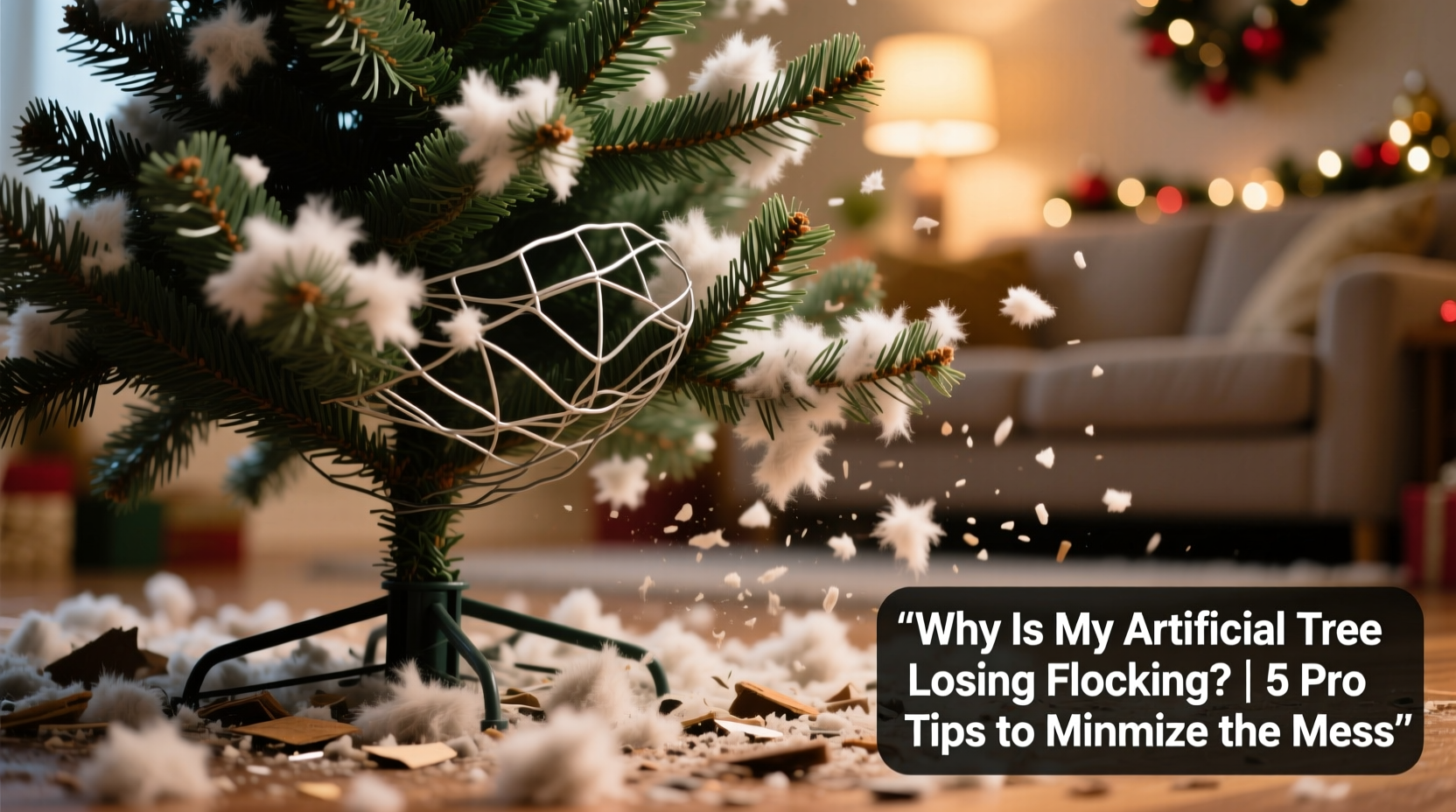
Flocking refers to the process of applying short fibers—usually made of paper, cotton, or synthetic materials—to the surface of artificial tree branches to mimic the appearance of snow. These tiny fibers are typically adhered using a water-based adhesive or spray solution. When done well, flocking gives trees a soft, frosted look that enhances realism and ambiance.
There are two primary types of flocking used on artificial trees:
- Factory-Applied Flocking: Applied during manufacturing under controlled conditions. This type generally lasts longer due to consistent application and higher-quality bonding agents.
- Consumer-Applied Flocking: DIY kits available in stores allow users to add flocking at home. While convenient, these often use less durable adhesives and may begin shedding within weeks.
The durability of flocking largely depends on the quality of the adhesive, fiber material, and environmental exposure. Once the bond weakens, gravity and movement cause the fibers to detach, resulting in the familiar “snowstorm” effect every time someone walks past the tree.
Why Flocking Falls Off: 5 Key Causes
Understanding the root causes of flocking loss helps inform better care practices and smarter purchasing decisions. Here are the most common reasons flocking deteriorates prematurely:
1. Low-Quality Adhesive
The glue used to bind flocking fibers to PVC or PE branches degrades over time, especially when exposed to heat, dry air, or sunlight. Many budget-friendly trees use cheaper adhesives that lose their grip after one or two seasons.
2. Temperature and Humidity Fluctuations
Indoor heating systems dry out the air during winter, causing both the tree’s plastic components and the adhesive to become brittle. Rapid changes in temperature—such as moving the tree from a cold garage to a warm room—can accelerate this breakdown.
3. Physical Disturbance
Hanging heavy ornaments, adjusting branches, or even vacuuming too close can dislodge loosely bonded flocking. Each contact point increases the likelihood of fiber loss.
4. Poor Storage Conditions
Storing a flocked tree in a hot attic, damp basement, or compressed state puts stress on the flocking layer. Moisture promotes mold growth beneath the fibers, while pressure from improper containers cracks the adhesive film.
5. Age and Repeated Use
No matter how well cared for, flocking has a finite lifespan. Most manufacturers estimate 3–7 years of moderate use before significant deterioration occurs. After that, shedding becomes inevitable.
“Flocking is inherently fragile. Even high-end models will shed over time—the key difference is how gradually it happens.” — Daniel Reyes, Holiday Decorations Engineer at Evergreen Home Accents
How to Minimize Flocking Mess: A Step-by-Step Guide
While you can't stop flocking degradation entirely, you can slow it down dramatically. Follow this actionable sequence to reduce mess and preserve your tree’s appearance.
- Inspect Before Setup: Unpack your tree in a garage or outdoor area. Gently shake each section over a tarp to release loose fibers before bringing it inside.
- Vacuum Lightly First: Use a handheld vacuum with a brush attachment to remove any already-loose flocking from branches. Avoid aggressive brushing.
- Use a Protective Barrier: Place a tightly woven fabric drop cloth or large plastic sheet around the base before assembling. Extend it beyond the tree’s widest branch.
- Assemble Carefully: Handle branches gently. Over-bending or forcing connections can crack the flocking layer.
- Apply Anti-Shedding Spray (Optional): Some specialty products like aerosol sealants designed for artificial foliage can help bind loose fibers. Test on a small area first to avoid discoloration.
- Keep Away From Heat Sources: Position the tree away from radiators, vents, fireplaces, and direct sunlight to prevent drying.
- Limit Touching: Discourage hanging heavy ornaments directly on flocked tips. Use inner branches for heavier items.
- Clean Up Daily: Use a microfiber cloth or electrostatic duster on nearby furniture. Vacuum floors around the tree weekly to prevent buildup.
Storage Strategies That Preserve Flocking Integrity
Proper storage is arguably more important than care during display. Most flocking damage occurs between seasons due to poor packing and environmental exposure.
| Do’s | Don’ts |
|---|---|
| Store in a cool, dry place (e.g., interior closet) | Store in attics, garages, or basements with humidity swings |
| Use a dedicated tree storage bag with rigid support bars | Compress the tree into undersized boxes or trash bags |
| Wrap sections in breathable cotton sheets before bagging | Seal in airtight plastic, which traps moisture |
| Elevate off concrete floors using pallets or shelves | Place directly on damp basement floors |
| Label sections to minimize unpacking confusion next year | Stack heavy items on top of the stored tree |
Consider investing in a vertical tree carrier if horizontal storage causes excessive bending. These upright containers maintain branch alignment and reduce pressure on flocked surfaces.
Real Example: The Johnson Family’s Flocked Tree Journey
The Johnsons purchased a beautifully flocked 7.5-foot tree in 2018, excited by its snow-dusted appearance. By the second year, they noticed white dust accumulating under the tree daily. After the third season, their hardwood floors were consistently speckled, and guests commented on the “snowstorm” effect when walking by.
They decided to investigate. Research led them to discover that their storage method—stuffing the tree into a flimsy cardboard box in a humid basement—was accelerating degradation. They switched to a ventilated tree bag, began pre-vacuuming before setup, and placed a washable runner beneath the stand. Shedding decreased by over 70% in the following season. Now in their seventh year, the tree still looks festive, with only minor flaking on older sections.
Their experience underscores that proactive habits make a measurable difference—even with lower-tier flocking materials.
Checklist: How to Keep Your Flocked Tree Clean and Long-Lasting
Use this checklist annually to ensure optimal performance and minimal mess:
- ☐ Unpack tree outdoors or in a contained area
- ☐ Pre-vacuum branches with soft brush attachment
- ☐ Lay down protective floor covering (extend beyond drip line)
- ☐ Position tree away from vents, radiators, and windows
- ☐ Hang lightweight ornaments on outer tips; reserve inner branches for heavier decor
- ☐ Dust surrounding surfaces regularly to prevent static attraction
- ☐ Disassemble gently and inspect for damaged sections
- ☐ Wrap each section in breathable fabric before placing in storage bag
- ☐ Store upright or horizontally in climate-stable area, elevated off floor
- ☐ Label sections clearly for easier reassembly next year
Frequently Asked Questions
Can I re-flock my artificial tree at home?
Yes, but with caveats. DIY flocking kits are available, but results vary widely. Home-applied flocking often sheds faster than factory versions due to inconsistent spray patterns and weaker adhesives. If attempting this, do it in a well-ventilated area, wear protective gear, and test on a single branch first. Be aware that adding new flocking won’t fix underlying degradation—it may increase mess temporarily.
Is there a no-mess alternative to flocked trees?
Absolutely. Many modern trees feature “snow-tipped” or “frosted” finishes created through molding rather than applied coatings. These involve pigmented tips integrated into the branch design, eliminating shedding entirely. Look for terms like “molded snow effect,” “frosted PE tips,” or “non-shedding finish” when shopping. These options offer similar aesthetics without the maintenance burden.
Does flocking affect tree flammability?
Some older flocking products contained flammable compounds, but most modern trees meet federal flammability standards (such as NFPA 701). Still, never place lights or candles directly on flocked areas. LED lights generate less heat and are safer. Always check manufacturer labels for fire safety ratings, especially if using vintage or imported trees.
When to Replace Your Flocked Tree
Even with excellent care, all flocked trees eventually reach the end of their functional life. Signs it’s time to retire yours include:
- Excessive shedding despite preventive measures
- Bare patches where flocking has completely worn off
- Brittle or cracked branches indicating material fatigue
- Visible mold or mildew under flocking layers
- Difficulty assembling due to broken connectors or warping
Consider upgrading to a pre-lit frosted-tip tree with built-in snow effects. These newer models combine visual appeal with durability and are increasingly affordable. They eliminate the mess while offering a comparable aesthetic.
“The future of holiday trees is in integrated design, not applied finishes. Consumers want beauty without the upkeep—and manufacturers are responding.” — Lila Chen, Product Director at Northstar Holiday Innovations
Conclusion
Flocking falling off your artificial tree is a common frustration, rooted in material limitations and environmental stress. But by understanding the causes—adhesive breakdown, temperature shifts, physical wear, and poor storage—you gain control over the outcome. Simple actions like unpacking outdoors, using floor protection, avoiding heat sources, and storing properly can extend your tree’s life and drastically cut down on holiday cleanup.
Every decision, from initial purchase to seasonal maintenance, shapes how much mess you’ll deal with. Whether you choose to preserve your current tree or transition to a no-shed alternative, the goal remains the same: a stunning, hassle-free centerpiece that brings joy—not dust.




 浙公网安备
33010002000092号
浙公网安备
33010002000092号 浙B2-20120091-4
Comments
No comments yet. Why don't you start the discussion?