
Four Loko has earned a notorious reputation since its debut in 2005—not just for its bold flavors and eye-catching cans, but for its intense physical and psychological effects. Marketed initially as an energy drink mixed with alcohol, it quickly became a symbol of extreme party culture. But what makes Four Loko so strong? The answer lies in a dangerous synergy of ingredients, a controversial marketing strategy, and a regulatory wake-up call that reshaped how such beverages are sold in the U.S.
The Formula That Shocked the Nation
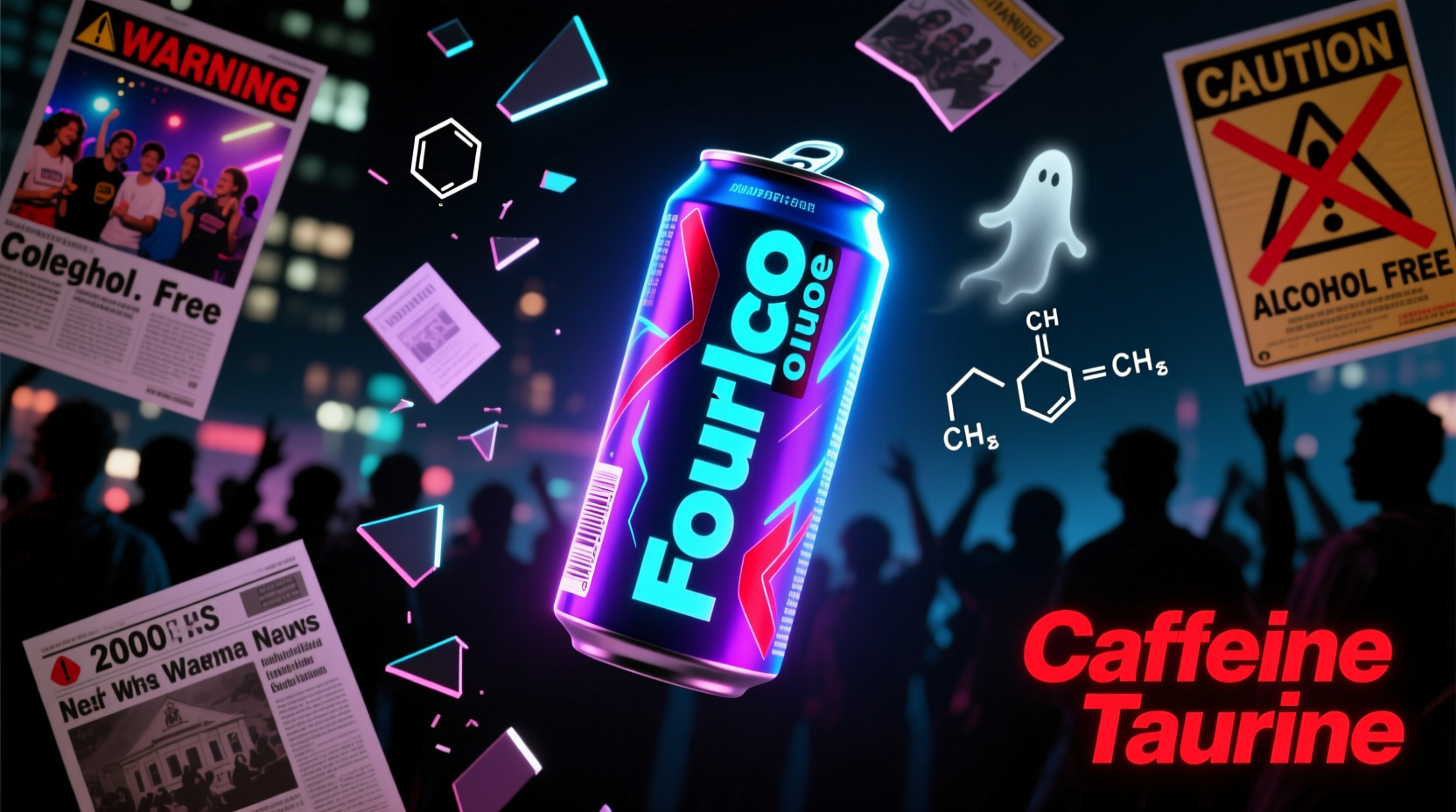
At the heart of Four Loko’s strength is its unique blend of alcohol, caffeine, and stimulants. When it first launched, a single 23.5-ounce can contained:
- Approximately 12% alcohol by volume (equivalent to four to five standard beers)
- 100–156 milligrams of caffeine
- Additional stimulants like taurine, guarana, and ginseng
This combination created what public health experts called a “wide-awake drunk” effect—where the caffeine masks the depressant effects of alcohol, leading consumers to feel alert while their motor skills and judgment remain severely impaired.
A Timeline of Controversy and Regulation
Four Loko wasn’t always under scrutiny. Its early years were marked by aggressive branding targeting college students, with slogans like “Blackout in a Can.” But a series of alarming incidents forced regulators to act.
- 2005: Phusion Projects launches Four Loko in Chicago, blending malt liquor with energy drink components.
- 2007–2010: Reports emerge of hospitalizations linked to excessive consumption, especially among underage drinkers.
- November 2010: After several college students required medical treatment following Four Loko use, the FDA issues a warning letter stating that adding caffeine to alcoholic drinks is unsafe and “not generally recognized as safe.”
- December 2010: Multiple states ban the sale of Four Loko; major retailers pull it from shelves.
- 2011: Phusion Projects reformulates the drink, removing caffeine, taurine, and guarana. The new version contains only alcohol, flavoring, and sweeteners.
- 2014–Present: Four Loko reintroduces flavored malt beverages with high alcohol content but no added stimulants. New product lines include seltzers and hard lemonades, though the original high-ABV versions remain popular.
The timeline reveals a turning point in how regulators approach functional beverage design—especially when psychoactive substances are combined without clear consumer warnings.
The Science Behind the High Potency
The perceived strength of Four Loko isn’t just about alcohol content—it’s about how the body processes multiple active compounds simultaneously.
Caffeine, a central nervous system stimulant, increases heart rate, alertness, and dopamine production. Alcohol, a depressant, slows brain function and impairs coordination. When combined, they create a pharmacological conflict: one part of the brain is being stimulated while another is suppressed.
According to Dr. Aaron White, former program director at the National Institute on Alcohol Abuse and Alcoholism (NIAAA):
“Mixing caffeine and alcohol is like pressing the gas pedal while wearing a blindfold. You might feel energized, but your ability to respond to danger is compromised.” — Dr. Aaron White, NIAAA
Studies show that people who consume alcohol-energy drinks are:
– Three times more likely to leave a bar highly intoxicated
– More prone to risky behaviors, including drunk driving and unprotected sex
– Less likely to recognize when they’ve had too much
Product Comparison: Original vs. Reformulated Four Loko
| Feature | Original Four Loko (Pre-2011) | Reformulated Four Loko (Post-2011) |
|---|---|---|
| Alcohol Content | 12% ABV (23.5 oz can) | 8%–14% ABV (varies by product) |
| Caffeine | 100–156 mg per can | None |
| Guarana/Taurine | Yes | No |
| Target Audience | College students, partygoers | Broad adult demographic |
| Regulatory Status | Banned in many states | Legal nationwide |
| Perceived Effects | Hyper, disoriented, wide-awake drunk | Standard intoxication (based on ABV) |
While today’s Four Loko lacks the stimulant cocktail of its predecessor, its high alcohol concentration still poses risks, especially when consumed rapidly or in multiples.
Real-World Impact: A Campus Emergency Case Study
In November 2010, Central Washington University reported that nearly two dozen students sought medical attention after consuming Four Loko at off-campus parties. Several were transported to hospitals with dangerously high blood alcohol levels—some exceeding 0.30%, well above the legal limit of 0.08%.
One student, a 19-year-old freshman, drank three cans over two hours. Believing he was “fine because I wasn’t tired,” he attempted to walk home alone in freezing temperatures. He was found unconscious by campus security and treated for severe alcohol poisoning.
This case exemplifies the deceptive nature of the original formulation. Without fatigue signals typically induced by alcohol, users pushed past natural limits, resulting in life-threatening consequences.
Safety Checklist: How to Consume High-Alcohol Beverages Responsibly
If you choose to consume products like Four Loko (current versions), follow these guidelines to minimize risk:
- Read the label: Check the ABV and serving size. One can may contain 2–4 standard drinks.
- Pace yourself: Limit to one can per hour, and never mix with other substances.
- Eat beforehand: Food slows alcohol absorption and reduces peak BAC.
- Stay hydrated: Alternate with water to prevent dehydration.
- Never drive: Even if you feel alert, reaction time and judgment are impaired.
- Watch your friends: Look for slurred speech, confusion, or loss of coordination—these are signs of alcohol poisoning.
Frequently Asked Questions
Is Four Loko still illegal?
No. After removing caffeine and other stimulants in 2011, Four Loko complies with federal regulations and is legally sold across the United States. However, some local jurisdictions may restrict sales based on alcohol content or packaging.
Can you get drunk faster from Four Loko than beer?
Yes, due to its high alcohol concentration. A single 23.5-ounce can of Four Loko (12% ABV) delivers roughly the same amount of alcohol as four to five 12-ounce beers (5% ABV). Consuming it quickly leads to rapid intoxication.
Does Four Loko cause blackouts?
Like any high-alcohol beverage, excessive consumption can lead to memory blackouts. The original version increased this risk due to the masking effect of caffeine, which allowed users to drink more before feeling impaired.
Conclusion: Understanding Power and Responsibility
Four Loko’s strength stems from both its chemical composition and its cultural positioning. While the days of caffeine-laced “blackout in a can” are over, the modern versions still pack a powerful punch. Awareness, moderation, and informed choices remain essential.




 浙公网安备
33010002000092号
浙公网安备
33010002000092号 浙B2-20120091-4
Comments
No comments yet. Why don't you start the discussion?