
In the fast-moving world of internet culture, few memes capture attention as sharply as “why is he lying.” At first glance, it appears to be a simple rhetorical question, often paired with absurd or exaggerated visuals. But beneath its surface lies a complex blend of humor, social commentary, and psychological insight. The phrase has evolved from a niche joke into a widely shared cultural reference, appearing in comment sections, viral videos, and even mainstream media. Understanding why this meme works—and why people keep using it—requires unpacking its origins, emotional resonance, and the subtle truths it reflects about human behavior.
The Origins: From Niche Forum Joke to Viral Sensation
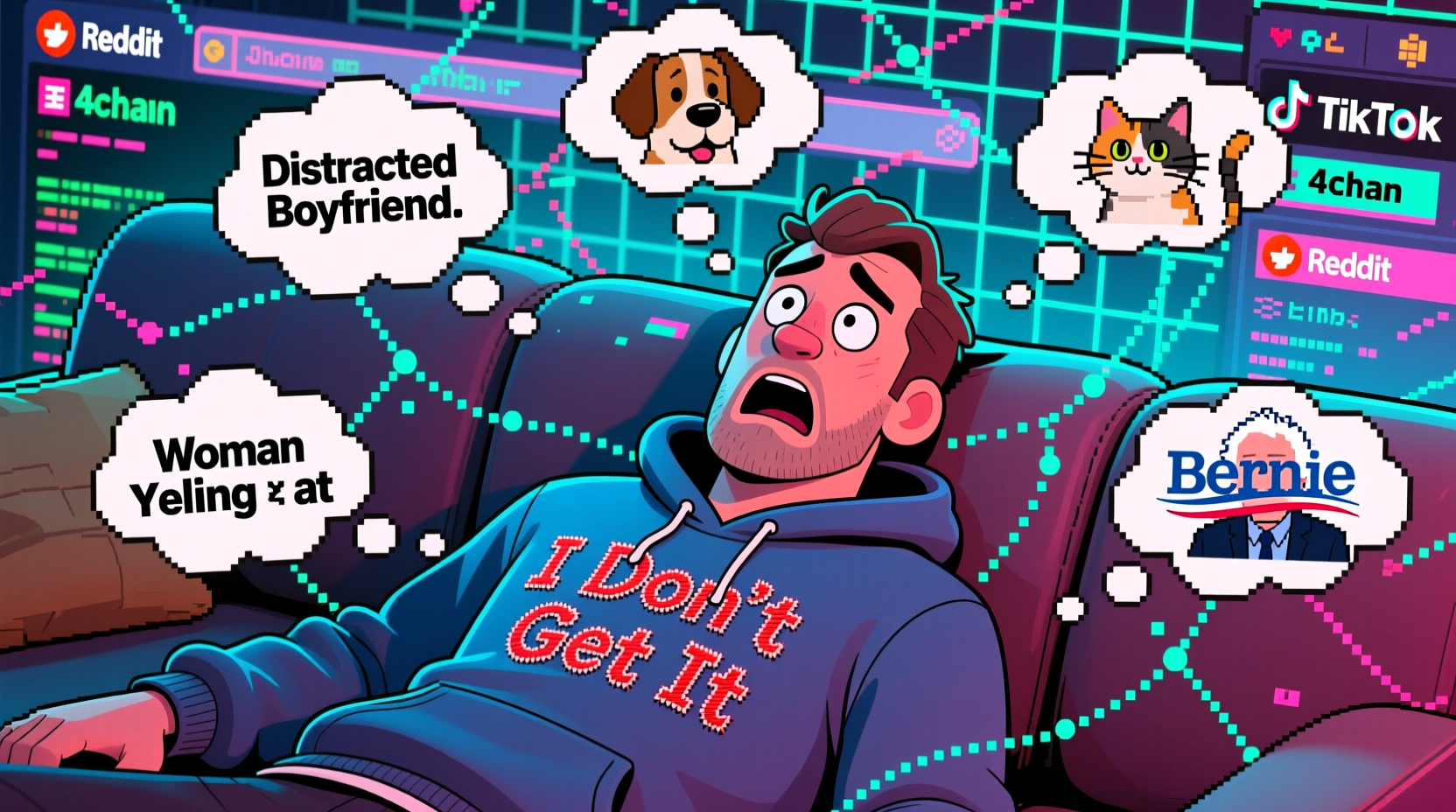
The earliest known uses of “why is he lying” trace back to imageboard communities like 4chan and Reddit around the mid-2010s. It typically appeared in reaction threads where users posted screenshots of public figures caught in contradictions or individuals making obviously false claims. One notable early example involved a politician denying a statement that had been recorded on video. A user responded with “why is he lying,” accompanied by a still image of the speaker looking visibly uncomfortable. The simplicity and blunt honesty of the phrase struck a chord.
By 2018, the meme began spreading beyond anonymous forums. Twitter and Instagram users adopted it in political discourse, celebrity scandals, and personal drama threads. Its power lay in its universality—it didn’t require explanation. Anyone who had ever sensed deception could relate. The phrase was soon repurposed into standalone image macros, animated GIFs, and audio clips, often layered over footage of people speaking evasively or contradicting themselves.
Psychological Underpinnings: Why the Meme Resonates
The staying power of “why is he lying” isn’t just due to comedic value. It taps into deep-seated cognitive responses related to truth detection and social trust. Humans are wired to detect dishonesty, especially in group settings where cooperation depends on reliability. When someone lies—particularly in a transparent way—it triggers a mix of confusion, frustration, and disbelief. The meme externalizes that internal reaction in a humorous, shareable format.
Dr. Lena Torres, a cognitive psychologist specializing in digital communication, explains:
“Online communities use memes like ‘why is he lying’ as collective sense-making tools. They allow users to process dissonance—when reality clashes with what’s being claimed—in a way that feels cathartic and socially validating.” — Dr. Lena Torres, Cognitive Psychologist
This validation is key. In an era of misinformation and “alternative facts,” the meme serves as a form of digital skepticism. It doesn’t argue with the lie; it simply points at it and asks, rhetorically, why it’s happening. That detachment gives it both irony and moral clarity.
Evolution and Variations Across Platforms
As with most successful memes, “why is he lying” has mutated across platforms to suit different audiences and contexts.
| Platform | Usage Pattern | Common Triggers |
|---|---|---|
| Twitter/X | Used in political commentary and real-time reactions | Politicians denying facts, PR spin |
| TikTok | Paired with audio overlays and facial expressions | Dating drama, influencer hypocrisy |
| Posted in argument threads or meta-discussions | Users defending indefensible positions | |
| Image macros with minimal text | Celebrity interviews, brand apologies |
One popular variation involves using AI-generated voices or text-to-speech tools to deliver the phrase in a flat, robotic tone, amplifying the sense of detached incredulity. Another version overlays the text on footage of animals behaving oddly, suggesting even non-humans would recognize the lie.
Case Study: The Subway Incident That Went Global
In early 2022, a man filmed himself claiming he had been attacked on a New York City subway. His story gained traction—until surveillance footage showed him falling while attempting a dance move. Within hours, social media exploded with remixes of the clip, each ending with the caption “why is he lying.” The moment became a textbook case of how the meme functions: it highlighted not just the falsehood, but the effort behind maintaining it.
What made this instance particularly powerful was the man’s body language. He spoke with exaggerated emotion, yet avoided eye contact and contradicted his own timeline. Viewers didn’t need proof to feel the lie—they sensed it intuitively. The meme gave them a way to articulate that gut feeling collectively. News outlets eventually picked up the story, referencing the viral response as evidence of public distrust in self-reported narratives.
How to Use the Meme Responsibly: A Checklist
While humorous, the “why is he lying” meme can escalate conflicts or misrepresent situations if used carelessly. To maintain credibility and avoid contributing to online harassment, consider the following guidelines:
- Verify the contradiction: Ensure there’s clear evidence of inconsistency before sharing.
- Avoid targeting private individuals: The meme works best when applied to public figures or voluntary statements.
- Consider intent: Is the person mistaken, exaggerating, or deliberately deceptive?
- Don’t weaponize ambiguity: Not every unclear statement is a lie.
- Use irony, not cruelty: The goal is critique, not humiliation.
Timeline of Key Moments in the Meme’s Rise
- 2015: First appearances on 4chan politics boards in response to political gaffes.
- 2017: Gains traction on Reddit’s r/PoliticalCompassMemes with satirical edits.
- 2019: Enters mainstream Twitter during a high-profile corporate scandal.
- 2021: Adopted by TikTok creators for relationship-themed content.
- 2023: Referenced in a late-night comedy monologue, marking cultural legitimacy.
This progression illustrates how internet memes often follow a path from subcultural niche to broad recognition, shaped by evolving digital behaviors and platform algorithms that reward engagement-driven content.
Frequently Asked Questions
Is “why is he lying” always meant to be serious?
No. While it often critiques actual deception, it’s frequently used ironically or hyperbolically. For example, someone might post it under a friend’s playful exaggeration (“I ran a marathon yesterday”) to mock the absurdity, not accuse them of fraud.
Can the meme be harmful?
Yes, if misapplied. Using it against individuals without clear evidence can spread misinformation or encourage pile-on behavior. It’s most effective—and ethical—when the discrepancy is documented and the target is a public figure or institution.
Are there similar memes with the same function?
Yes. Memes like “this is fine” (denial in crisis), “they don’t know” (exposing hidden truths), and “expectation vs. reality” serve overlapping roles in calling out dissonance. However, “why is he lying” stands out for its directness and moral framing.
Conclusion: More Than Just a Joke
The “why is he lying” meme endures because it fulfills a real psychological and social need. In a world saturated with curated images and scripted narratives, it offers a moment of raw, unfiltered questioning. It doesn’t seek to debate or persuade—it simply observes and wonders aloud why someone would choose falsehood over truth, especially when the truth is evident.
More than satire, it’s a reflection of our collective desire for authenticity. As long as people continue to stretch the truth—especially in public—this meme will remain a go-to response. It reminds us that while lies may be common, so is the instinct to call them out.




 浙公网安备
33010002000092号
浙公网安备
33010002000092号 浙B2-20120091-4
Comments
No comments yet. Why don't you start the discussion?