
In an era where digital health records are the norm and personal information flows across networks daily, protecting patient privacy has never been more critical. The Health Insurance Portability and Accountability Act (HIPAA), enacted in 1996, stands as a cornerstone of modern healthcare regulation in the United States. While many associate HIPAA with medical forms or privacy notices, its impact runs far deeper. It safeguards sensitive health information, ensures continuity of insurance coverage, and establishes national standards for electronic healthcare transactions. Understanding why HIPAA is important goes beyond compliance—it’s about preserving trust, accountability, and ethical responsibility in healthcare.
The Core Purpose of HIPAA
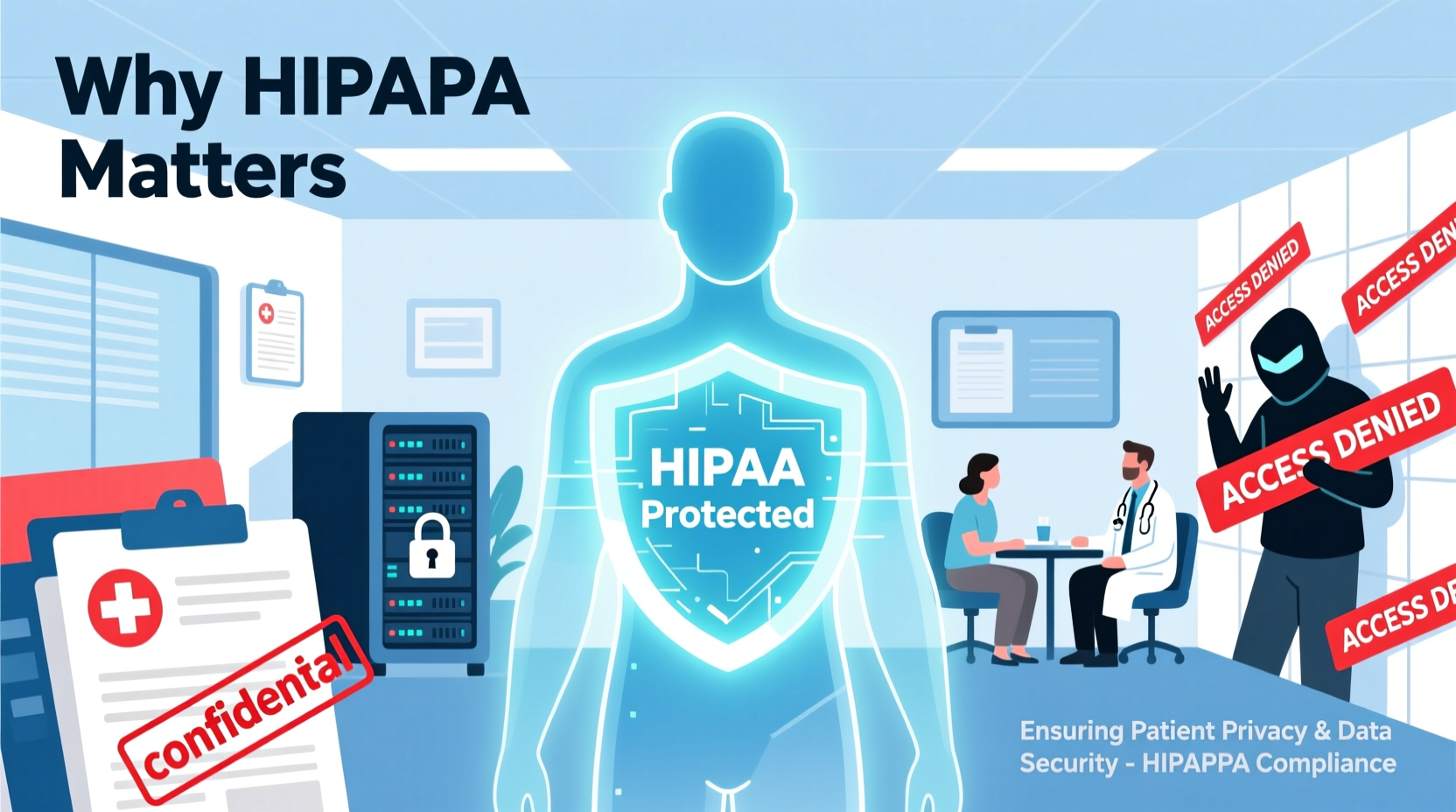
HIPAA was originally designed to improve the portability and continuity of health insurance, especially for workers changing or losing jobs. However, its most enduring legacy lies in Title II—the Administrative Simplification provisions—which mandate the protection of sensitive patient health information from unauthorized disclosure. This includes any data that can identify a patient and relates to their past, present, or future physical or mental health condition, treatment, or payment for care—known collectively as Protected Health Information (PHI).
The law applies to covered entities such as healthcare providers, health plans, and healthcare clearinghouses, as well as their business associates who handle PHI. By setting enforceable rules around privacy, security, and breach notification, HIPAA creates a legal framework that holds organizations accountable for how they manage patient data.
“HIPAA isn’t just about avoiding fines—it’s about respecting the dignity and autonomy of patients by protecting their most personal information.” — Dr. Linda Chen, Healthcare Compliance Officer
Key Components of HIPAA and Their Impact
HIPAA consists of several interconnected rules that work together to protect individuals’ health information:
- Privacy Rule: Establishes national standards for who can access PHI and under what circumstances it can be used or disclosed.
- Security Rule: Sets specific requirements for safeguarding electronic PHI (e-PHI), including administrative, physical, and technical protections.
- Breach Notification Rule: Requires covered entities to notify affected individuals, the Department of Health and Human Services (HHS), and sometimes the media in the event of a data breach involving unsecured PHI.
- Enforcement Rule: Outlines procedures for investigations, penalties, and fines for noncompliance.
Together, these rules create a comprehensive system that balances operational efficiency with patient rights. For example, the Security Rule mandates risk assessments, employee training, and encryption protocols—measures that directly reduce the likelihood of cyberattacks compromising patient records.
Why HIPAA Matters: Real-World Implications
To understand the true significance of HIPAA, consider a scenario involving a small medical practice. A receptionist emails patient appointment reminders using a personal Gmail account, inadvertently exposing names, dates of birth, and diagnoses. Without proper encryption or consent, this constitutes a HIPAA violation. If discovered, the practice could face penalties ranging from $100 to $50,000 per violation, depending on the level of negligence.
But beyond financial consequences, the damage to patient trust can be irreversible. Patients may avoid seeking care out of fear their information will be exposed, particularly those dealing with stigmatized conditions like mental health disorders or substance use. HIPAA helps prevent such scenarios by requiring safeguards and informed consent before PHI is shared.
Moreover, HIPAA plays a crucial role in enabling secure health information exchange. As telemedicine and interoperable electronic health record systems expand, standardized protections ensure that data shared between providers remains confidential and intact. This consistency fosters collaboration while minimizing risks.
Benefits of HIPAA Compliance for Patients and Providers
The importance of HIPAA extends equally to patients and healthcare professionals. For patients, it means having control over who sees their medical history and being informed when their data is used. They have the right to request copies of their records, amend inaccuracies, and know with whom their information has been shared.
For providers, compliance reduces legal exposure and enhances organizational credibility. A 2023 report by the HHS Office for Civil Rights revealed that over 500 major breaches were reported that year alone, affecting more than 130 million individuals. Organizations with strong HIPAA-aligned policies were significantly less likely to experience large-scale incidents.
| Aspect | Patient Benefit | Provider Benefit |
|---|---|---|
| Privacy Rule | Control over personal health data | Clear guidelines for lawful disclosures |
| Security Rule | Protection against data theft | Reduced risk of cyberattacks and downtime |
| Breach Notification | Timely alerts if data is compromised | Structured response protocol |
| Accountability | Legal recourse for misuse | Improved public trust and reputation |
Common Misconceptions About HIPAA
Despite its widespread application, HIPAA is often misunderstood. Some believe it prohibits all sharing of health information, even with family members. In reality, HIPAA allows disclosure to family or caregivers if the patient agrees or if the provider believes it’s in the patient’s best interest—such as during emergencies.
Another myth is that HIPAA applies to all employers or schools. It does not. Only entities classified as covered entities or business associates fall under HIPAA jurisdiction. A school nurse managing student immunization records may be subject to HIPAA only if acting on behalf of a healthcare provider; otherwise, other laws like FERPA apply.
Step-by-Step Guide to Strengthening HIPAA Compliance
Organizations looking to uphold HIPAA standards should follow a structured approach:
- Conduct a Risk Assessment: Identify vulnerabilities in how PHI is stored, accessed, and transmitted.
- Develop Policies and Procedures: Create clear documentation for handling PHI, including incident response plans.
- Train Employees Annually: Ensure all staff understand their responsibilities regarding confidentiality and reporting breaches.
- Implement Technical Safeguards: Use firewalls, encryption, multi-factor authentication, and automatic logoffs.
- Sign Business Associate Agreements (BAAs): Legally bind third-party vendors who handle PHI to comply with HIPAA.
- Maintain Audit Logs: Track access to e-PHI to detect suspicious activity.
- Test and Update Regularly: Simulate breach scenarios and revise protocols based on findings.
Frequently Asked Questions
Does HIPAA apply to all healthcare workers?
Yes, but only when they work for a covered entity or business associate. Independent contractors must also comply if they handle PHI as part of their services.
Can patients sue for a HIPAA violation?
Not directly. HIPAA does not grant individuals a private right of action. However, violations can lead to federal investigations, fines, and state-level lawsuits under related privacy laws.
What happens after a HIPAA breach is reported?
The HHS Office for Civil Rights investigates. Depending on severity, outcomes range from corrective action plans to multimillion-dollar settlements. Affected patients must be notified without unreasonable delay.
- ✅ Perform annual risk analysis
- ✅ Train all workforce members on HIPAA policies
- ✅ Encrypt all e-PHI at rest and in transit
- ✅ Maintain signed BAAs with vendors
- ✅ Document all disclosures of PHI
- ✅ Test emergency mode operation plan annually
Conclusion
HIPAA is far more than a regulatory hurdle—it is a vital protector of patient rights and a foundation for ethical healthcare practices. Its significance lies in creating a system where individuals can seek medical help without fear of exposure, and providers can operate with integrity and confidence. In a world increasingly shaped by digital transformation, the principles of privacy, security, and accountability enshrined in HIPAA remain more relevant than ever.




 浙公网安备
33010002000092号
浙公网安备
33010002000092号 浙B2-20120091-4
Comments
No comments yet. Why don't you start the discussion?