
Housing is more than just walls and a roof. It is a foundational element of human well-being, economic stability, and social cohesion. Across cultures and continents, access to safe, stable, and affordable housing consistently emerges as a critical determinant of quality of life. From influencing physical and mental health to shaping educational outcomes and employment opportunities, the importance of housing extends far beyond shelter. Understanding its multifaceted role helps individuals, communities, and policymakers make informed decisions about where and how people live.
The Role of Housing in Physical and Mental Health
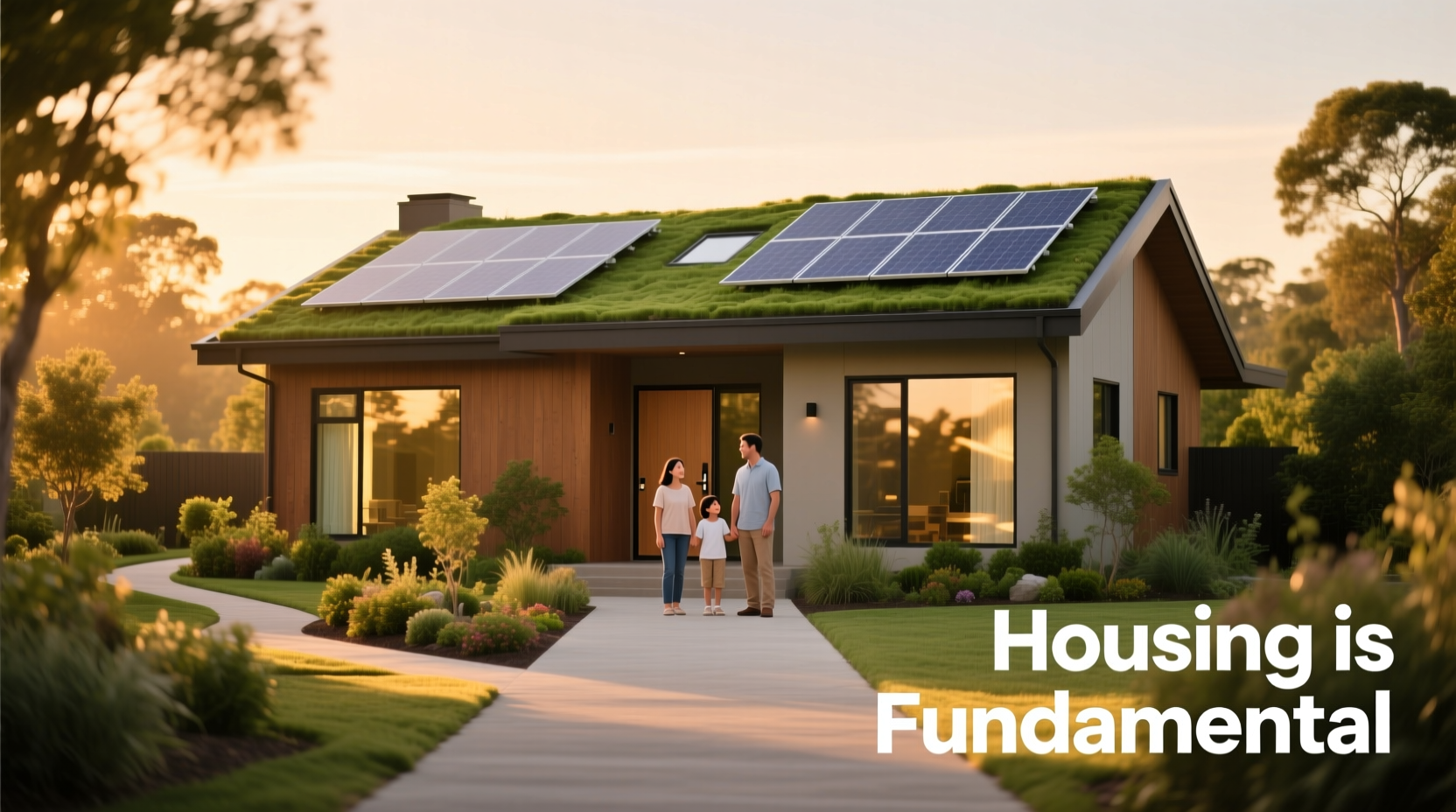
Safe and secure housing directly impacts both physical and mental health. Living in substandard conditions—such as homes with mold, poor ventilation, lead paint, or inadequate heating—can lead to respiratory illnesses, infections, and chronic stress. Overcrowded or unstable housing increases exposure to infectious diseases and disrupts sleep and personal safety.
Mental health is equally affected. Individuals without stable housing are at higher risk for anxiety, depression, and trauma-related disorders. The constant uncertainty of rent hikes, eviction threats, or homelessness creates persistent psychological strain. Conversely, having a dependable home fosters a sense of control, privacy, and emotional security.
Economic Stability and Financial Security
Housing is often the largest monthly expense for households, but it can also be one of the most powerful tools for building wealth. Homeownership allows families to accumulate equity over time, which can be leveraged for education, retirement, or emergencies. Even renting, when done responsibly, contributes to financial discipline through consistent budgeting.
However, when housing costs exceed 30% of household income—commonly defined as “cost-burdened”—families must cut back on essentials like food, healthcare, and transportation. This trade-off undermines long-term financial resilience. In urban areas with high rent inflation, many workers spend more than half their income on housing, leaving little room for savings or investment.
“Affordable housing isn’t just a social issue—it’s an economic imperative. Stable homes create stable workforces.” — Dr. Lena Patel, Urban Economist
Social Equity and Community Development
Housing shapes community dynamics. Neighborhoods with mixed-income housing, accessible public services, and inclusive planning tend to have stronger social ties, lower crime rates, and better civic engagement. In contrast, segregated or under-resourced housing developments can perpetuate cycles of poverty and limit upward mobility.
Discriminatory practices in housing—such as redlining, rental denials based on race or income source, or lack of accessibility for disabled individuals—continue to affect marginalized groups. Addressing these inequities requires intentional policy design and community involvement.
When people feel they belong in their neighborhood, they are more likely to participate in local initiatives, support schools, and care for shared spaces. Thus, equitable housing fosters not only individual dignity but collective strength.
Impact on Education and Child Development
Children growing up in stable housing environments perform better academically. Frequent moves due to evictions or unaffordable rents disrupt school attendance, reduce continuity in learning, and strain peer relationships. A study by the National Center for Children in Poverty found that students who changed schools three or more times during elementary years were significantly behind in reading and math proficiency.
Home stability also affects cognitive development. A quiet space to study, consistent routines, and parental peace of mind all contribute to a child’s ability to focus and thrive. On the other hand, overcrowding or unsafe living conditions increase stress levels, which can impair concentration and emotional regulation.
| Factor | Positive Impact of Stable Housing | Negative Impact of Instability |
|---|---|---|
| Academic Performance | Higher test scores, better attendance | Frequent absences, grade repetition |
| Mental Health | Lower anxiety, improved self-esteem | Increased behavioral issues |
| Parental Engagement | Greater involvement in school activities | Limited capacity due to stress |
Environmental Sustainability and Urban Planning
The way we build and occupy housing has profound environmental consequences. Energy-efficient homes reduce carbon emissions and utility costs. Smart urban design—such as walkable neighborhoods, transit-oriented development, and green building standards—lowers reliance on cars and promotes sustainable living.
Conversely, urban sprawl driven by poorly planned housing developments leads to deforestation, habitat loss, and increased greenhouse gas emissions. Older, inefficient buildings waste energy and contribute to air pollution. Retrofitting existing homes with insulation, solar panels, and water-saving fixtures offers a practical path toward climate resilience.
Mini Case Study: Revitalizing Oakwood Estates
In 2018, the city of Millfield faced rising homelessness and declining property values in the Oakwood Estates neighborhood. Once a thriving middle-class area, decades of disinvestment had left many homes vacant or unsafe. A public-private partnership launched a revitalization program focused on rehabilitating 150 units, enforcing anti-discrimination policies, and integrating job training for residents.
Within five years, crime dropped by 40%, high school graduation rates rose by 22%, and local small businesses reported increased foot traffic. Most importantly, resident surveys showed a dramatic improvement in perceived safety and community pride. This case illustrates how targeted housing interventions can catalyze broader social and economic renewal.
Checklist: Key Considerations When Evaluating Housing Options
- Is the housing cost below 30% of gross monthly income?
- Does the location provide access to jobs, schools, and healthcare?
- Are utilities energy-efficient and sustainably sourced?
- Is the neighborhood safe and inclusive?
- Are lease terms fair and transparent?
- Is the structure well-maintained with no signs of mold or pests?
- Are there accommodations for disabilities if needed?
- Is public transportation or walkability available?
Frequently Asked Questions
Why is housing considered a basic human right?
The United Nations recognizes housing as a fundamental human right because it is essential for survival, dignity, and personal development. Without adequate shelter, individuals cannot fully participate in society, access healthcare, or pursue education and employment.
Can renting ever be as beneficial as owning a home?
Yes. While homeownership builds equity, renting offers flexibility, lower maintenance responsibility, and access to desirable locations without large upfront costs. For many, especially in high-cost cities, renting is a financially responsible and stable option.
How does housing affect the economy?
Housing drives economic activity through construction, real estate, financing, and home services. Stable housing improves workforce productivity, reduces public health costs, and supports consumer spending. Conversely, housing crises—like bubbles or shortages—can trigger recessions and widen inequality.
Step-by-Step Guide to Making an Informed Housing Decision
- Assess your budget: Calculate total monthly income and determine a realistic housing expenditure (ideally ≤30%).
- Identify priorities: List non-negotiables such as commute time, school districts, pet policies, or accessibility needs.
- Research neighborhoods: Look into crime rates, school ratings, public services, and future development plans.
- Inspect potential homes: Visit in person, check for structural issues, noise levels, and utility efficiency.
- Review legal terms: Read leases or purchase agreements carefully; consult a lawyer if necessary.
- Plan for the long term: Consider how this housing choice aligns with career, family, and financial goals over the next 3–5 years.
Conclusion
Housing is not merely a place to sleep—it is the cornerstone of health, opportunity, and belonging. Whether you’re renting an apartment, buying a home, or advocating for policy change, recognizing the deep impact of housing empowers smarter choices and more compassionate communities. The decisions we make today about where and how we live shape individual futures and collective progress.




 浙公网安备
33010002000092号
浙公网安备
33010002000092号 浙B2-20120091-4
Comments
No comments yet. Why don't you start the discussion?