
The term \"flea market\" conjures images of bustling outdoor stalls, vintage treasures, handcrafted goods, and secondhand bargains. But behind this familiar phrase lies a surprisingly rich and somewhat gritty history. The name itself raises eyebrows—why would anyone associate a place full of old furniture, clothes, and collectibles with fleas? The answer stretches back over a century, rooted in post-war France, linguistic evolution, and the enduring human love for reuse and reinvention.
Flea markets are more than just shopping destinations—they reflect cultural shifts, economic necessity, and creative recycling. Understanding their origin not only demystifies the curious name but also reveals how deeply embedded they are in global urban life.
The French Origins: Marché aux Puces
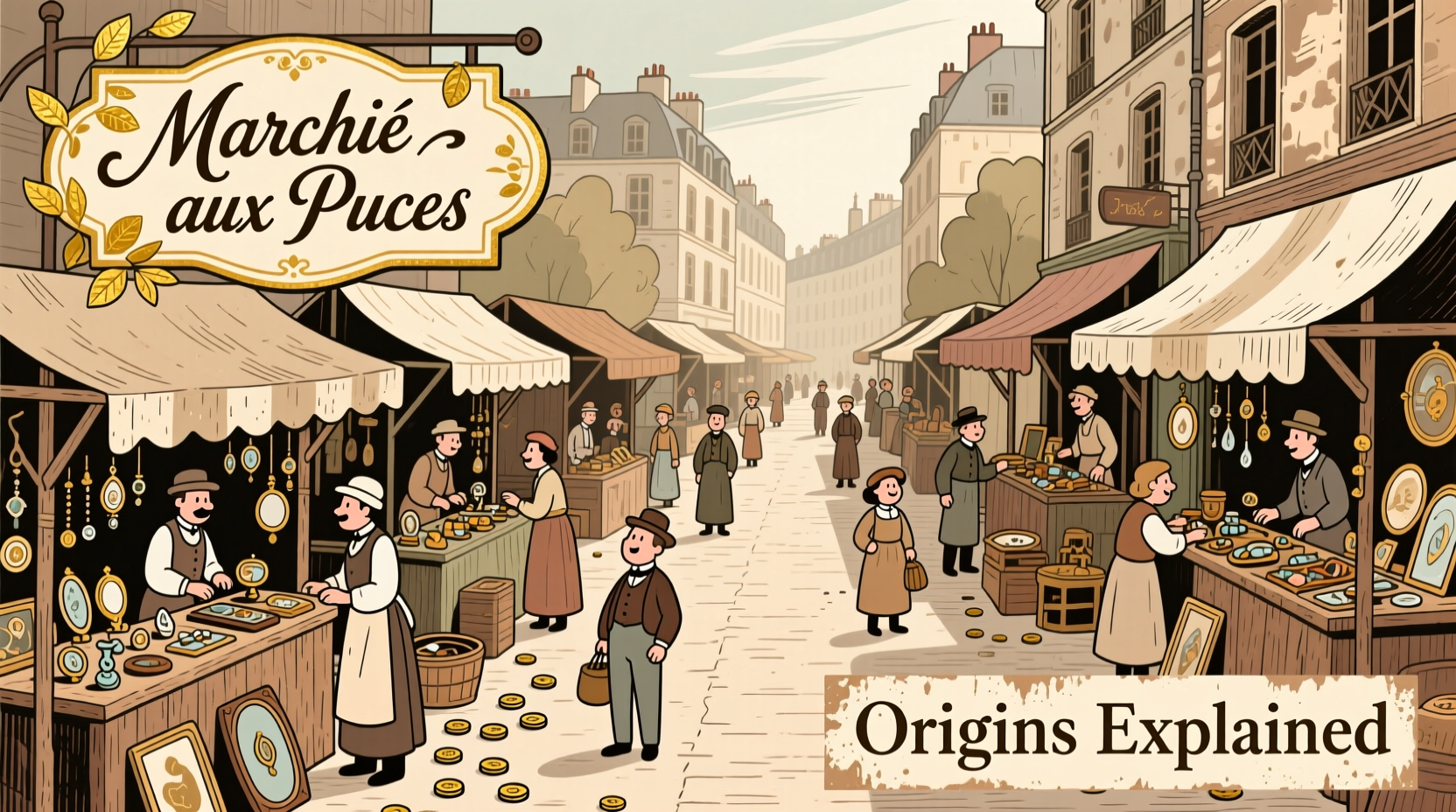
The concept of the flea market began in 19th-century Paris. In 1885, the city officially recognized the *Marché aux Puces de Saint-Ouen*, located just north of the city center. This sprawling open-air market quickly became one of Europe’s most famous hubs for secondhand goods. But long before it gained official status, residents of Paris had already been selling used furniture, clothing, and household items on the outskirts of the city.
The nickname “flea market” came from the French term *marché aux puces*—literally “market of the fleas.” Why? Because many of the secondhand items sold there, particularly upholstered furniture and woolen garments, were rumored to harbor actual fleas. These goods often came from wealthy households that discarded or sold used furnishings, which were then scavenged and resold at low prices to working-class buyers. Given the lack of modern cleaning methods, infestations weren’t uncommon.
“Secondhand doesn’t mean second-rate. In Paris, the flea market was where you found charm, character, and craftsmanship at a fraction of the price.” — Dr. Léa Moreau, Cultural Historian, Sorbonne University
The term wasn’t initially complimentary. It carried a whiff of derision, hinting at the low quality or questionable hygiene of the merchandise. Yet over time, the stigma faded as the market grew in popularity and reputation.
From Paris to the World: How the Term Spread
The English-speaking world adopted the term “flea market” in the early 20th century, borrowing directly from the French. American travelers visiting Paris in the 1920s brought back stories—and sometimes souvenirs—from the *marchés aux puces*. Writers and journalists began using the translated term in magazines and newspapers, romanticizing the experience of hunting for antiques amid cluttered stalls.
By the 1930s, cities across the U.S. started organizing their own versions. Unlike in Paris, these weren’t always permanent fixtures. Some were seasonal, others mobile, held in parking lots, school grounds, or fairgrounds. The informal nature of these gatherings made them accessible and community-driven. The name “flea market” stuck—not because the items were dirty, but because it evoked the eclectic, unpredictable spirit of the original French model.
A Timeline of the Flea Market Evolution
The journey of the flea market reflects broader societal changes—from industrialization to consumerism to sustainability. Here’s a look at key milestones:
- 1885: The Marché aux Puces de Saint-Ouen is officially established in Paris, becoming the prototype for future flea markets.
- 1920s: American expatriates and tourists popularize the term in English, associating it with European charm and bargain hunting.
- 1940s–1950s: Post-war scarcity boosts demand for secondhand goods; flea markets flourish in both Europe and North America.
- 1970s: The counterculture movement embraces thrift and reuse, elevating flea markets as centers of bohemian style and anti-consumerism.
- 1990s–2000s: Flea markets become commercialized, with vendors specializing in vintage fashion, retro electronics, and curated antiques.
- 2010s–Present: Pop-up markets, artisan fairs, and eco-conscious events blend the old flea market model with modern sustainability values.
Modern Flea Markets: More Than Just Bargains
Today’s flea markets are far removed from their flea-infested roots. While some still operate in traditional formats—rows of folding tables laden with mismatched dishes and worn leather boots—many have evolved into curated experiences. Think food trucks, live music, handmade jewelry, and even pop-up galleries.
In cities like Los Angeles, Brooklyn, and Berlin, flea markets have become lifestyle destinations. Events such as the Brooklyn Flea or the Rose Bowl Flea Market attract thousands each weekend, blending commerce with culture. Vendors range from hobbyists clearing out attics to professional resellers sourcing rare mid-century furniture.
This transformation reflects changing consumer values. As awareness of fast fashion and environmental waste grows, people are turning to secondhand shopping as an ethical choice. The flea market, once a symbol of poverty, is now celebrated as a hub of circular economy practices.
| Era | Characteristics | Social Context |
|---|---|---|
| 1880s–1920s | Informal resale of used goods, often poor quality | Urbanization, class divide, limited waste systems |
| 1930s–1950s | Organized stalls, growing popularity in U.S. | Great Depression, post-war frugality |
| 1960s–1980s | Rise of vintage culture, DIY ethos | Counterculture, anti-establishment movements |
| 1990s–2010s | Commercialization, themed markets, online presence | Consumer nostalgia, rise of eBay and Etsy |
| 2020s–Present | Eco-focused, pop-up models, hybrid digital/physical | Sustainability, minimalism, remote work flexibility |
Why the Name Still Matters
Despite their modern makeover, we still call them “flea markets.” The persistence of the name serves as a reminder of their humble beginnings. It’s a linguistic artifact—a nod to a time when reusing old things wasn’t a trend, but a necessity.
Linguists note that ironic or self-deprecating names often endure because they carry authenticity. Calling a high-end vintage fair a “flea market” adds a touch of irony and accessibility. It signals that while the prices may be steep, the vibe remains unpretentious.
Some modern organizers have tried rebranding—calling events “bazaars,” “artisan markets,” or “pop-up exchanges”—but “flea market” remains dominant. It’s catchy, recognizable, and steeped in history.
FAQ: Common Questions About Flea Markets
Are flea markets really infested with fleas?
No, not typically. The name originates from historical conditions in 19th-century Paris, where secondhand furniture sometimes carried fleas due to poor sanitation. Modern flea markets follow health and safety guidelines, and serious infestations are extremely rare.
Can you negotiate prices at flea markets?
Yes, bargaining is often expected. Vendors usually price items with some flexibility in mind. A polite offer 10–20% below asking price is common practice, especially if you’re buying multiple items.
What’s the difference between a flea market and a swap meet?
While the terms are sometimes used interchangeably, swap meets often emphasize direct barter or trade among individuals, whereas flea markets usually involve vendor sales. Swap meets are more common in Western U.S., while “flea market” is the dominant term elsewhere.
How to Make the Most of Your Flea Market Visit: A Checklist
- ✅ Bring cash in small denominations—many vendors don’t accept cards.
- ✅ Wear comfortable shoes—you’ll likely be walking for hours.
- ✅ Arrive early for the best selection, or late for potential discounts.
- ✅ Inspect items carefully for damage, authenticity, and cleanliness.
- ✅ Bring reusable bags or a foldable cart for heavy purchases.
- ✅ Talk to vendors—they often share fascinating stories about the items.
- ✅ Take photos of items you like but aren’t ready to buy; compare later.
Real Example: Finding Treasure in a Parisian Side Alley
Sophie Nguyen, a graphic designer from Montreal, visited the Saint-Ouen market on a rainy Saturday morning. She wasn’t looking for anything specific—just soaking in the atmosphere. Near a stall piled with old books and tarnished picture frames, she spotted a small wooden box with intricate inlay work. The vendor, an elderly man with ink-stained fingers, said it was from the 1920s, possibly Moroccan-French design.
After some negotiation, Sophie bought it for €30. Back home, she cleaned it gently and discovered maker’s marks inside. Research revealed it was part of a limited series made for a Parisian art salon. Today, it sits on her desk, not just as a decoration, but as a reminder of how history hides in plain sight.
“It’s not just about the object,” she says. “It’s about the story it carries. That’s what makes flea markets magical.”
Conclusion: Rediscover the Past, One Stall at a Time
The name “flea market” may have begun as a jab at secondhand wares teeming with tiny pests, but it has grown into a beloved institution worldwide. From its origins in the margins of Paris to its current status as a cultural and environmental touchstone, the flea market embodies resilience, creativity, and the timeless appeal of giving old things new life.
Whether you're searching for a mid-century lamp, a vintage band tee, or simply a weekend adventure, stepping into a flea market means stepping into history. The next time you haggle over a brass typewriter or sip coffee from a pop-up van between rows of antique trunks, remember: you’re part of a tradition that spans over 130 years.




 浙公网安备
33010002000092号
浙公网安备
33010002000092号 浙B2-20120091-4
Comments
No comments yet. Why don't you start the discussion?