
The hot dog is more than just a staple at baseball games and backyard barbecues—it’s a cultural icon. But have you ever paused mid-bite and wondered: why is it called a \"hot dog\"? The answer isn’t as straightforward as the simple roll-and-sausage combo might suggest. Behind this beloved food lies a blend of immigration, humor, marketing, and linguistic evolution that stretches back over a century. This article explores the true origin of the term \"hot dog,\" tracing its roots from 19th-century Germany to American boardwalks and sports stadiums.
The Sausage That Started It All: German Origins
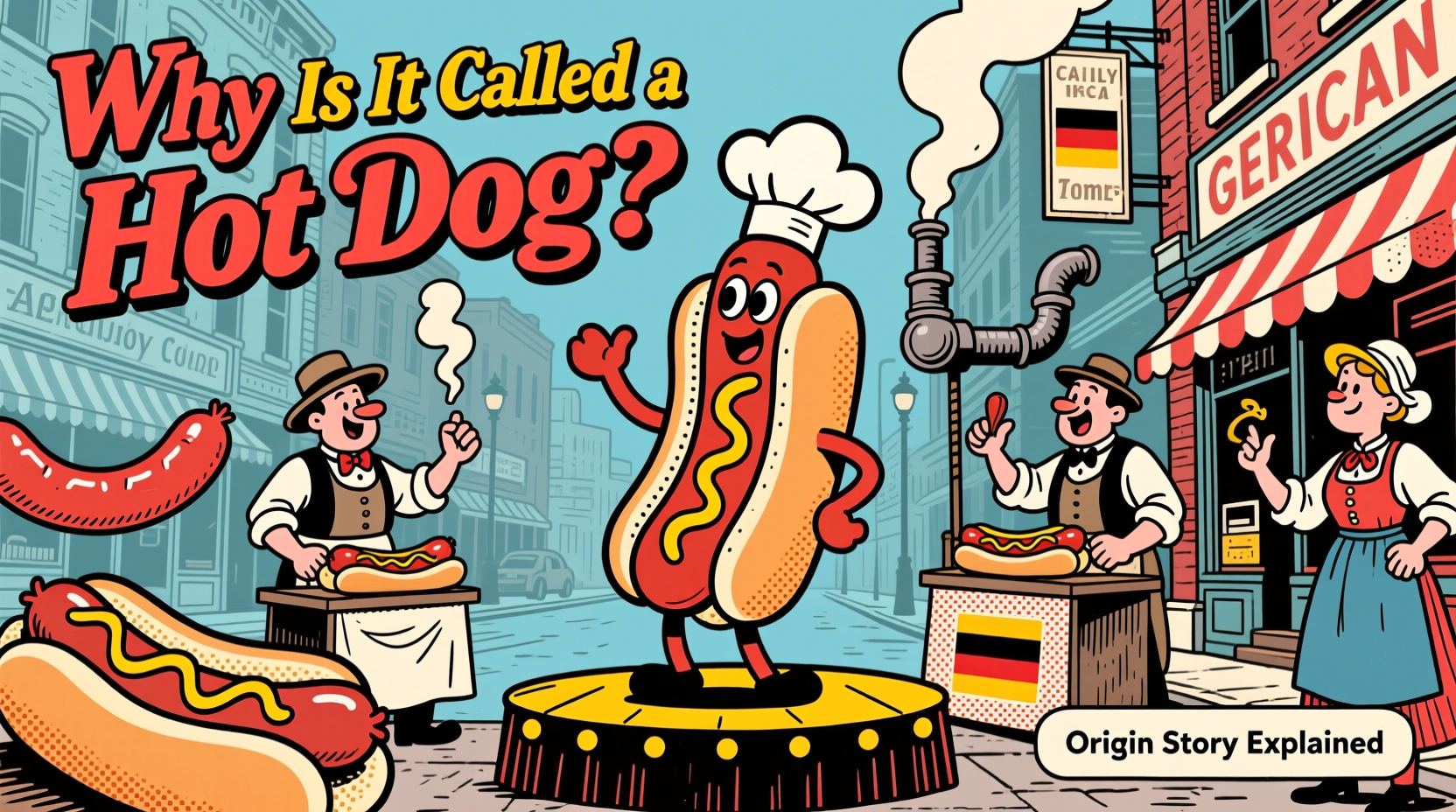
The story begins not in America, but in Germany. Long before the term \"hot dog\" existed, Germans were perfecting their sausage-making traditions. Frankfurt and Vienna (Wien) are particularly famous for their contributions—giving us the *frankfurter* and the *wiener*, respectively. These thin, smoked sausages made from pork or beef became popular across Europe and eventually traveled to the United States with German immigrants in the 1800s.
In cities like New York, Cincinnati, and St. Louis, German vendors began selling these sausages on the street, often served in bread rolls for convenience. At first, they were simply called \"dachshund sausages\"—a nod to both their long, slender shape and the popularity of dachshund dogs among German communities. The visual similarity was unmistakable: a thin, brown sausage curled inside a soft bun looked remarkably like a dachshund tucked into a blanket.
The Birth of the Term \"Hot Dog\"
The shift from “dachshund sausage” to “hot dog” is widely attributed to early 20th-century cartoonists and newspaper writers who found the former too cumbersome—or too German—for American audiences. One of the most cited origin stories involves Harry D. Stevens, a concessionaire at the Polo Grounds in New York City around 1901.
During a cold April baseball game, Stevens’ vendor, Anton Feuchtwanger, reportedly served sausages in buns to prevent customers from burning their hands. To promote the new offering, a sign was needed. According to legend, the cartoonist Tad Dorgan was asked to draw an illustration. He couldn’t spell “dachshund,” so he labeled the drawing “hot dog.” Whether or not Dorgan actually coined the phrase, his cartoons helped popularize it in the public imagination.
While no surviving copy of Dorgan’s original cartoon exists, newspapers from the era show the term gaining traction by 1903–1906. By the 1920s, “hot dog” had fully replaced “dachshund sausage” in mainstream American English—a linguistic shortcut born from practicality and wit.
“Language evolves through necessity and humor. The hot dog is a perfect example of how a playful nickname can become permanent.” — Dr. Lillian Park, Cultural Linguist, Columbia University
A Timeline of the Hot Dog’s Rise in America
The journey from ethnic street food to national favorite followed a clear path shaped by urbanization, mass production, and pop culture. Here’s a brief timeline highlighting key milestones:
- 1860s–1880s: German immigrants sell sausages from pushcarts in New York and other major cities.
- 1893: Charles Feltman opens the first Coney Island hot dog stand, serving over 3,600 sausages on opening day.
- 1901: The “hot dog” name allegedly coined during a baseball game at the Polo Grounds.
- 1916: Nathan Handwerker, a former Feltman employee, opens Nathan’s Famous Hot Dogs, undercutting prices and fueling mass appeal.
- 1940s–1950s: Post-war prosperity and suburbanization make backyard grilling—and hot dogs—a symbol of American life.
- 1972: The Oscar Mayer Wienermobile begins touring the U.S., cementing the hot dog’s place in advertising and nostalgia.
Regional Variations and Cultural Adaptations
As the hot dog spread across the U.S., regional identities shaped its preparation and presentation. What’s considered a “proper” hot dog varies wildly depending on location:
| Region | Style | Key Features |
|---|---|---|
| New York City | Street Dog | Steamed or boiled, topped with onions, sauerkraut, or mustard; rarely ketchup. |
| Chicago | Chicago-Style Dog | All-beef frank in a poppy seed bun, topped with yellow mustard, onions, sweet pickle relish, tomato slices, sport peppers, and celery salt—never ketchup. |
| Cincinnati | Coneys | Slathered in a meaty chili sauce, onions, and mustard. |
| Michigan | Michigan Hot Dog | Served with a tangy meat sauce distinct from Cincinnati chili. |
| Los Angeles | California Style | Often includes avocado, grilled peppers, or salsa. |
These variations reflect deeper cultural influences—from Eastern European deli traditions in New York to Greek immigrant-run diners in Detroit that popularized coney sauce. The hot dog, in essence, became a canvas for local flavor and innovation.
Debunking Common Myths About the Name
Despite the widespread acceptance of the “cartoonist forgot how to spell dachshund” story, historians caution against oversimplification. Some key myths need clarification:
- Myth: Tad Dorgan invented the word “hot dog” in a single cartoon.
Reality: The term appeared in print before Dorgan’s alleged cartoon. Yale students used “hot dog” as slang for a high-quality sausage as early as 1895. - Myth: The name mocked German immigrants.
Reality: While anti-German sentiment grew during World Wars I and II, the term “hot dog” emerged earlier as affectionate, not derogatory. It celebrated the food, not ridiculed its origin. - Myth: Hot dogs were always made from mystery meat.
Reality: Early hot dogs were typically all-beef or pork-based. Quality varied, but reputable vendors prided themselves on using real meat.
How the Hot Dog Became an American Symbol
The hot dog’s rise parallels broader shifts in American society. Its affordability made it accessible during economic downturns. Its portability suited the fast pace of urban life. And its presence at baseball games, county fairs, and Fourth of July cookouts tied it to national celebrations.
A mini case study illustrates this cultural embedding: In 1918, during World War I, the U.S. Food Administration encouraged citizens to eat less wheat and meat. Hot dogs, which used small amounts of meat and came in non-wheat alternatives (like cornbread), remained popular. Vendors adapted by using fillers like soy or cereals, but the format endured. After the war, when meat supplies returned, the hot dog kept its place—not because it was frugal, but because it was familiar and fun.
Frequently Asked Questions
Was the hot dog originally made from dog meat?
No. Despite the name, hot dogs have never been made from dog meat in the U.S. The term refers only to the shape and nickname, not the ingredients. Authentic hot dogs are made from beef, pork, chicken, or turkey.
Why do some people say “don’t put ketchup on a hot dog”?
This rule, especially strong in New York and Chicago, stems from tradition. Purists argue that ketchup masks the flavor of the sausage and proper toppings. The National Hot Dog and Sausage Council even declared ketchup inappropriate for hot dogs served to children over 18.
Are frankfurters and hot dogs the same thing?
Essentially, yes. “Frankfurter” refers to the original German-style sausage from Frankfurt. “Hot dog” describes the American version, usually served in a bun. The terms are often used interchangeably today.
Final Thoughts: More Than Just a Name
The name “hot dog” may have started as a joke, but it stuck because it captured something essential—the playful, informal spirit of American food culture. It’s a reminder that language, like cuisine, thrives on adaptation. From German dachshund sausages to ballpark staples, the hot dog evolved not just in form but in meaning.
Understanding its history enriches the experience of eating one. Next time you unwrap a foil packet or grill up a batch at home, remember: you’re participating in over 150 years of culinary migration, linguistic creativity, and social ritual.




 浙公网安备
33010002000092号
浙公网安备
33010002000092号 浙B2-20120091-4
Comments
No comments yet. Why don't you start the discussion?