
Beaver Stadium, home of the Penn State Nittany Lions, stands as one of the most iconic college football venues in the United States. With a seating capacity exceeding 106,000, it ranks among the largest stadiums in the Western Hemisphere. But for all its grandeur and tradition, many fans—especially newcomers—ask a simple yet enduring question: Why is it called Beaver Stadium? The answer lies not in rodents or rivers, but in legacy, leadership, and the deep-rooted history of Pennsylvania State University.
The Origins of the Name: James A. Beaver
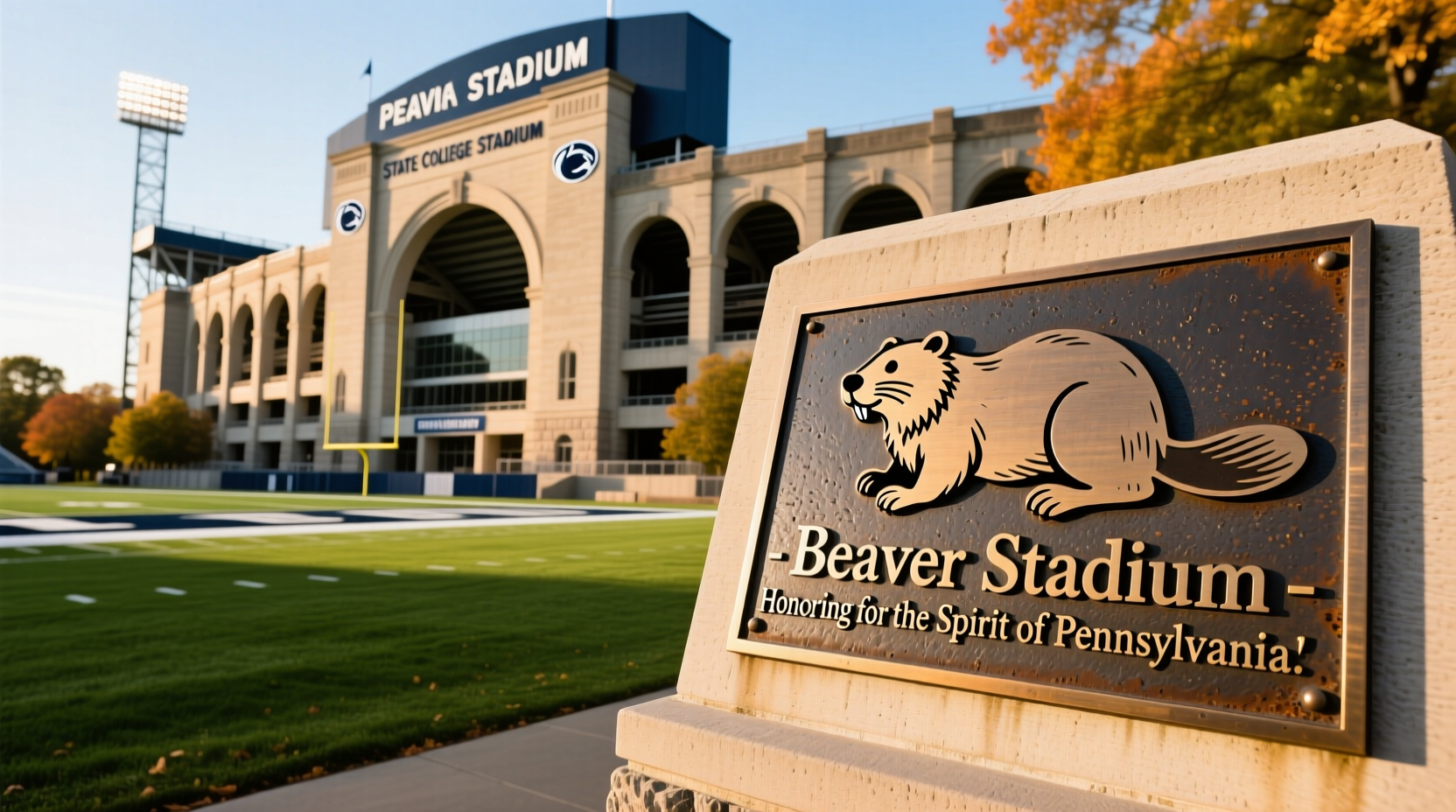
The stadium’s name honors James A. Beaver, a distinguished figure in both Pennsylvania and Penn State history. Born in 1837 in Franklin County, Pennsylvania, Beaver was a multifaceted leader—serving as a Civil War general, governor of Pennsylvania from 1887 to 1891, and later as president of Penn State’s Board of Trustees from 1894 until his death in 1908.
His contributions to the university were transformative. During his tenure, he championed academic expansion, advocated for engineering and agricultural programs, and played a pivotal role in shaping Penn State into a modern land-grant institution. His leadership helped stabilize the school during periods of financial and administrative uncertainty.
In recognition of his service, the university named several campus landmarks after him. The most prominent of these is Beaver Stadium, though his legacy also lives on through Beaver Avenue, which runs through campus, and the former Beaver Engineering Building (now part of the Earth and Mineral Sciences complex).
From New Beaver Field to Beaver Stadium: A Timeline
The journey from concept to concrete began long before the current structure rose above Happy Valley. The evolution of the stadium reflects both the growth of the football program and the university itself.
- 1909: Penn State constructs its first dedicated football field, originally named Beaver Field in honor of James A. Beaver. Located near present-day Rec Hall, it hosted games for decades.
- 1959: As demand grew, the university built a new, larger facility just west of the original site. This replacement was dubbed New Beaver Field, preserving the Beaver name while signaling progress.
- 1960: Football operations moved to the new location, and New Beaver Field became the official home of Nittany Lion football.
- 1972: After major expansions—including the addition of upper decks—the venue was officially renamed Beaver Stadium to reflect its scale and permanence.
- 1991–2001: Multiple renovations increased capacity dramatically, culminating in the stadium’s current form with over 100,000 seats.
This timeline underscores a key point: the name \"Beaver\" has been central to Penn State athletics for more than a century. It represents continuity, pride, and institutional memory—even as the physical structure evolved beyond recognition.
Common Misconceptions About the Name
Given the unusual nature of the name, misconceptions abound. Some assume the stadium is named after the animal, perhaps due to Penn State’s forested surroundings or the presence of waterways nearby. Others speculate it references construction activity—\"beavers building dams,\" metaphorically likening them to hardworking engineers.
While these interpretations are creative, they miss the mark. There is no connection between the North American beaver and the stadium’s naming. The choice was strictly commemorative, rooted in respect for James A. Beaver’s impact on the university.
This confusion highlights a broader issue in sports nomenclature: names often carry historical weight that isn’t immediately apparent. Understanding the context behind such titles fosters deeper engagement with the traditions of collegiate athletics.
“Names like Beaver Stadium aren’t chosen lightly. They’re anchors to our past, reminding us who built the foundation we now stand on.” — Dr. Laura Thompson, Penn State Historian
A Comparative Look at College Stadium Names
To better understand the significance of naming conventions, consider how other major college stadiums derive their identities. Unlike many institutions that name facilities after coaches or donors, Penn State chose a public servant and educator.
| Stadium | School | Named After | Type of Honoree |
|---|---|---|---|
| Beaver Stadium | Penn State | James A. Beaver | University Leader / Governor |
| Michigan Stadium | University of Michigan | No individual (named for state) | Geographic Identity |
| Ben Hill Griffin Stadium | Florida | Ben Hill Griffin Jr. | Political Donor |
| Neyland Stadium | Tennessee | General Robert Neyland | Head Coach |
| Sanford Stadium | Georgia | Dr. Steadman Vincent Sanford | University Founder/Administrator |
This comparison reveals that Penn State’s choice aligns with institutions that honor educators and administrators rather than solely athletic figures. It reflects a value system that prioritizes institutional stewardship alongside athletic excellence.
Real Impact: How Naming Shapes Culture
The story of Beaver Stadium isn't just about etymology—it's about identity. Consider the experience of Sarah Mitchell, a first-year student from Ohio who attended her first game in 2022.
Mitchell admitted she initially thought the name was quirky, even humorous. “I joked with my friends about seeing ‘beavers’ during tailgating,” she recalled. But after a campus tour where she learned about James Beaver’s role in expanding access to education, her perspective shifted. “It made me proud to be part of a school that honors leaders who cared about more than wins and losses.”
Her story illustrates how names can serve as teaching moments. When properly understood, they connect fans to deeper narratives about service, perseverance, and community.
Frequently Asked Questions
Is Beaver Stadium named after the animal?
No. Despite the playful association, the stadium is named after James A. Beaver, a former governor of Pennsylvania and president of Penn State’s Board of Trustees. There is no link to the animal species.
Was there ever a live beaver mascot at Penn State?
No. Penn State’s official mascot is the Nittany Lion, a mountain lion historically found in the Nittany Mountains. While early teams had various unofficial nicknames, including “Old Coons” and “Mountain Cagers,” beavers were never part of the school’s symbolic identity.
Why didn’t Penn State rename the stadium after Joe Paterno?
Although Joe Paterno led the football program for 46 years and became synonymous with its success, the university has maintained the Beaver name as a tribute to institutional heritage. In 2012, plans to name the playing field after Paterno were rescinded due to controversy surrounding the Jerry Sandusky scandal. The main stadium remains Beaver Stadium, preserving its historical roots.
How to Honor Legacy Through Naming: A Checklist
- Research the historical figure behind the name
- Understand their contributions beyond athletics
- Teach others the correct origin to dispel myths
- Visit campus landmarks associated with the namesake
- Encourage institutions to prioritize educational legacy in naming decisions
Conclusion: More Than Just a Name
Beaver Stadium is far more than a colossal arena for gridiron battles. Its name carries the weight of history, symbolizing dedication to public service, education, and long-term vision. By honoring James A. Beaver, Penn State reminds generations of students, athletes, and fans that greatness isn’t measured only by touchdowns or trophies—but by lasting contributions to society.
Next time you hear the roar of 100,000 voices echoing through the stands, remember: the name on the scoreboard represents a legacy built not in a single season, but across a lifetime of leadership. That’s the true meaning behind Beaver Stadium.




 浙公网安备
33010002000092号
浙公网安备
33010002000092号 浙B2-20120091-4
Comments
No comments yet. Why don't you start the discussion?