
In the world of athletic apparel, few brand names spark as much curiosity as Lululemon. The name stands out—unusual, playful, and memorable. But where did it come from? Why \"lululemon\"? And what do the origins and founders have to do with such a quirky moniker? The answers lie in a blend of branding strategy, linguistic experimentation, and a founder’s desire to build something distinct in a crowded market.
Unlike traditional sportswear brands named after athletes or geographic locations, Lululemon broke the mold. Its name was not derived from its founder’s surname or a city landmark. Instead, it emerged from a deliberate effort to craft a unique identity—one that would be trademarkable, globally pronounceable, and free from existing associations.
The Founder: Chip Wilson and the Birth of a Brand
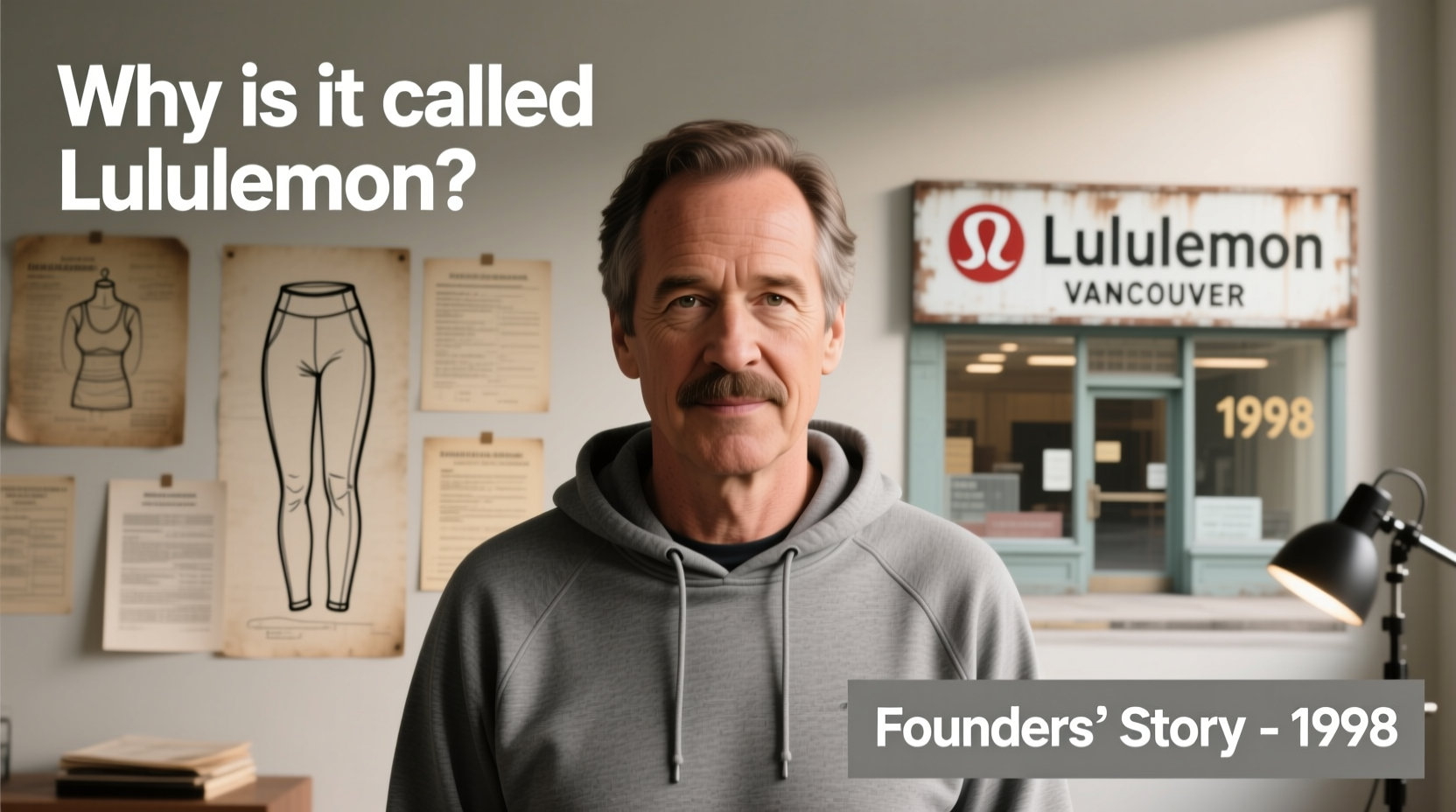
The story begins with Chip Wilson, a Canadian entrepreneur with a background in outdoor apparel and a vision for technical yoga clothing. In 1998, Wilson opened the first Lululemon store in Vancouver, British Columbia. His goal was simple: create high-performance, aesthetically pleasing activewear specifically designed for yoga—a practice gaining traction but underserved by mainstream athletic brands.
At the time, most workout clothes were baggy, cotton-based, and ill-suited for dynamic movement. Wilson saw an opportunity. He believed that form, function, and fit could coexist in garments tailored for women who practiced yoga seriously—not just as exercise, but as lifestyle.
But before any product hit the shelves, there was a critical question: What should the brand be called?
Why “Lululemon”? The Naming Strategy
Finding a name that was both available for trademark and evocative proved challenging. Most obvious names related to fitness, yoga, or wellness were already taken. Wilson wanted something distinctive—something that couldn’t be easily associated with competitors.
He turned to an unconventional method: using the letter “L” and focusing on words that began with “lu.” This wasn’t arbitrary. Linguistically, “L” sounds are soft, smooth, and often associated with luxury (think “Lancôme,” “Louis Vuitton,” or “La Mer”). The repetition of “lu” gave the name rhythm and memorability.
Then came the twist: replacing the “o” in “lemon” with “u” to create “lululemon.”
“We needed a name that we could trademark. I looked at the dictionary under ‘lu’ and found ‘lull,’ ‘lunar,’ ‘lubricant’… nothing worked. So I thought, what if I spell ‘lemon’ with a ‘u’? It’s silly, but it was available.” — Chip Wilson, Founder of Lululemon
The result? A whimsical, slightly absurd name that stood out immediately. More importantly, it was legally protectable. By misspelling “lemon,” Wilson avoided conflicts with existing trademarks while creating a brand identity that was entirely his own.
The Origins: Vancouver Yoga Scene and Grassroots Growth
Lululemon didn’t launch with a massive ad campaign or celebrity endorsements. Instead, it grew organically through Vancouver’s tight-knit yoga community. The first store doubled as a yoga studio, hosting free classes and fostering relationships between instructors and customers.
This grassroots approach was central to the brand’s identity. Employees—called “educators”—were trained not just in sales, but in garment technology and yoga philosophy. They built trust by speaking knowledgeably about fabric breathability, four-way stretch, and moisture-wicking properties.
The name “Lululemon” became part of this intimate experience. It was odd enough to spark conversation. Customers would ask, “Why is it called that?” which led to storytelling—about innovation, intention, and a founder who dared to be different.
Key Milestones in Early Development
| Year | Event | Significance |
|---|---|---|
| 1998 | First store opens in Kitsilano, Vancouver | Tested direct-to-consumer model with in-store yoga classes |
| 2000 | Introduced signature Luon fabric | Set new standard for comfort and durability in yoga pants |
| 2003 | Launched online store | Expanded reach beyond local markets |
| 2007 | Initial Public Offering (IPO) | Valued at over $1 billion; marked transition to global brand |
Debunking Myths About the Name
Over the years, several myths have circulated about the origin of “Lululemon.” Some claim it’s a reference to the “lulu” slang for something eccentric, others suggest it’s a nod to French beauty brands like Lancôme. While these theories sound plausible, they’re not accurate.
- Myth: “Lululemon” is inspired by “Lancôme.”
- Reality: While Wilson admired the elegance of French-sounding names, no direct inspiration from Lancôme exists. The similarity is coincidental.
- Myth: The name refers to female anatomy (due to “lemon” being slang).
- Reality: Wilson has repeatedly denied this, calling it an unintended and unwelcome interpretation.
The truth remains more pragmatic than provocative: it was a creative solution to a legal and branding challenge.
Mini Case Study: How the Name Helped Viral Marketing
In 2005, a customer in Toronto posted a photo of her favorite black yoga pants on an early fitness blog, joking, “I bought these from this weird store called Lululemon—sounds like a sea creature!” The post went semi-viral in niche wellness circles.
That same year, a yoga instructor in Seattle started referring to her favorite pants as “my lululemons,” unintentionally creating a pluralized brand nickname. Within two years, “lululemons” had entered casual lexicon as shorthand for premium yoga wear—despite the company’s preference for “Lululemon pants.”
This organic adoption demonstrated the power of a distinctive name. Because it was unusual, it was memorable. Because it was fun to say, people repeated it. The very strangeness that could have been a liability became a marketing asset.
Evolution of the Brand Beyond the Name
While the name opened doors, Lululemon’s longevity comes from consistent execution. The brand invested heavily in fabric innovation, retail experience, and community engagement. Over time, it expanded beyond yoga into running, training, and lifestyle wear.
After stepping down from leadership, Chip Wilson remained a vocal commentator on brand identity. In interviews, he emphasized that the name was never meant to be taken literally—it was a vessel for a larger idea: redefining how people relate to their clothing during movement.
“The name doesn’t mean anything. But what it represents—that’s everything.” — Chip Wilson
Checklist: Elements That Made Lululemon’s Naming Strategy Work
- ✅ Trademark Availability: Avoided common terms and secured legal protection early.
- ✅ Pronounceability: Easy to say across English-speaking markets.
- ✅ Memorability: Unique spelling made it stand out in search and conversation.
- ✅ Brand Story Potential: Invited questions, enabling customer education.
- ✅ Scalability: No limiting connotations allowed expansion into new product categories.
FAQ
Is Lululemon named after a person?
No, Lululemon is not named after a person. Despite the personal tone of the name, it was invented by founder Chip Wilson as a trademark-friendly option with no direct human association.
Why is it spelled with a ‘u’ instead of ‘o’ in ‘lemon’?
The spelling “lululemon” replaces the ‘o’ with a ‘u’ to make the name unique and legally trademarkable. Standard words like “lemon” cannot be trademarked in the same category, so altering the spelling created intellectual property.
Did Lululemon plan for the name to go viral?
Not explicitly. While the founders wanted a distinctive name, the viral spread and colloquial use (“lululemons”) were organic outcomes, not part of the original marketing plan.
Conclusion: The Power of Intentional Branding
The story of why it’s called Lululemon is more than a trivia answer—it’s a lesson in entrepreneurial creativity. In a world where naming conventions lean toward the safe and descriptive, Lululemon dared to be different. Its name, born from necessity and linguistic play, became a cornerstone of its identity.
From a small yoga-focused shop in Vancouver to a multi-billion-dollar global brand, Lululemon proves that a great name isn’t about meaning—it’s about memorability, differentiation, and the story you build around it.




 浙公网安备
33010002000092号
浙公网安备
33010002000092号 浙B2-20120091-4
Comments
No comments yet. Why don't you start the discussion?