
In recent years, many regions around the world have experienced prolonged or unusually heavy rainfall. What once felt like seasonal storms now seem relentless—flooding streets, delaying commutes, and damaging property. People are asking: Why is it raining so much? The answer lies in a complex interplay of natural weather systems, long-term climate trends, and human-induced environmental changes. Understanding these factors not only helps explain current conditions but also prepares communities for future challenges.
The Science Behind Rain Formation
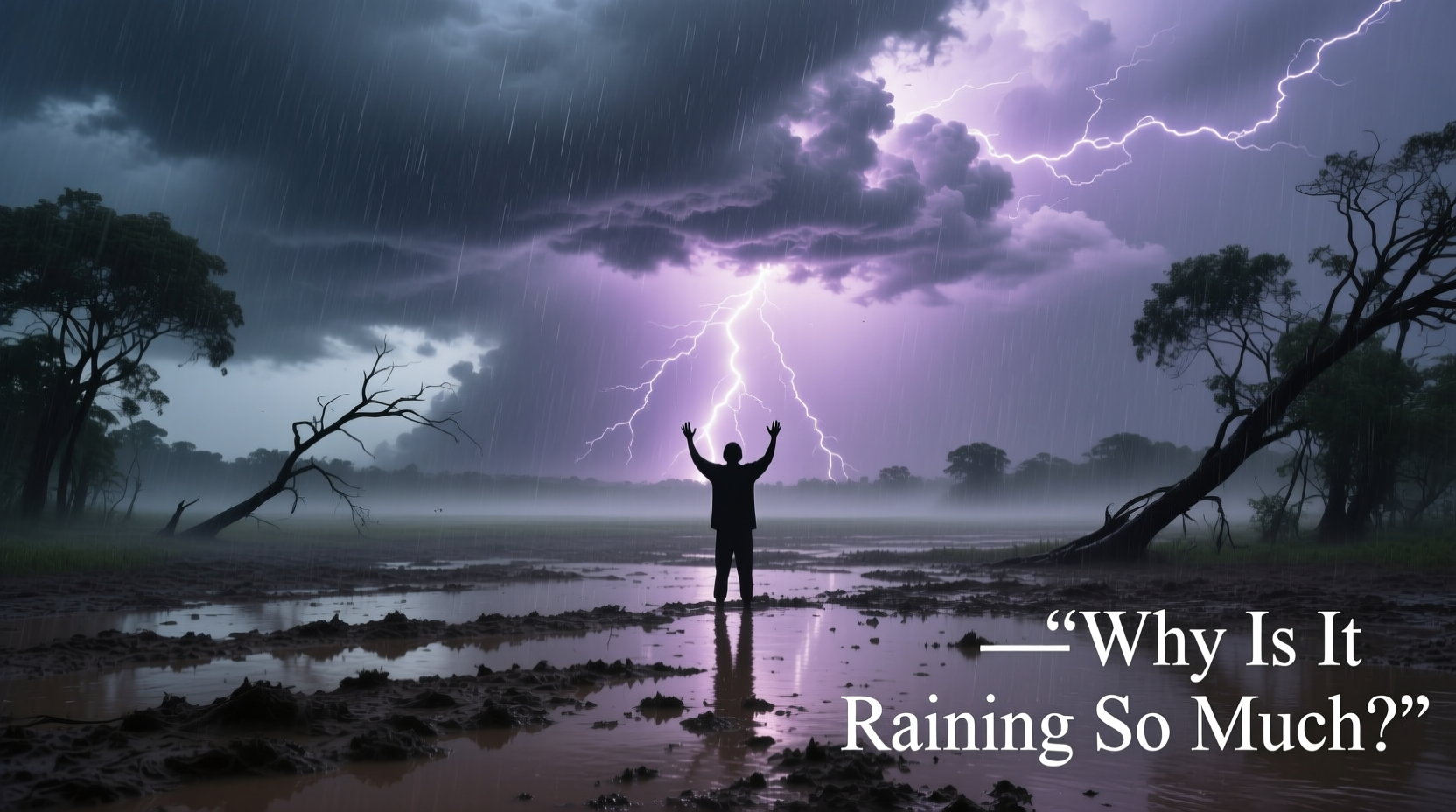
Rain occurs when water vapor in the atmosphere cools and condenses into droplets that become too heavy to remain suspended. This process typically begins with evaporation from oceans, lakes, and soil, followed by uplift mechanisms such as frontal boundaries, convection, or orographic lift (air rising over mountains). When moisture-laden air masses collide or rise, clouds form—and if conditions persist, precipitation follows.
However, not all rain events are equal. Light drizzle may last for hours with minimal impact, while intense downpours can dump several inches of rain in under an hour. The frequency and intensity of these heavier events have been increasing globally, particularly in temperate and tropical zones.
Climate Change and Increased Rainfall Intensity
One of the most significant drivers of excessive rainfall is climate change. Warmer global temperatures increase evaporation rates, leading to more moisture in the atmosphere. For every 1°C rise in temperature, the air can hold approximately 7% more water vapor—a principle known as the Clausius-Clapeyron relationship.
This surplus moisture fuels stronger and wetter storms. According to the Intergovernmental Panel on Climate Change (IPCC), extreme precipitation events have become more frequent and intense since the 1950s, especially in North America, Europe, and parts of Asia. These shifts aren’t uniform; some areas see droughts, while others face deluges—but where rain does fall, it often comes harder than before.
“Warmer air holds more moisture, which means when it rains, it pours. We’re seeing storm patterns shift and intensify in ways consistent with climate model predictions.” — Dr. Amina Khalid, Climatologist at the Global Weather Institute
Natural Weather Patterns Contributing to Heavy Rain
Beyond long-term warming, specific atmospheric phenomena contribute to persistent rainy periods:
- La Niña Events: Cooler-than-average sea surface temperatures in the central Pacific Ocean alter jet stream patterns, often steering storm systems toward northern latitudes and increasing rainfall in regions like the southern United States and Southeast Asia.
- Atmospheric Rivers: Long, narrow corridors of concentrated moisture transport vast amounts of water vapor from the tropics to mid-latitudes. When these “rivers in the sky” stall over land, they can produce days of torrential rain and major flooding.
- Monsoon Shifts: In South and East Asia, monsoon seasons are becoming more erratic. While total seasonal rainfall may not always increase, the proportion falling in extreme bursts has risen sharply.
- Urban Heat Islands: Cities generate localized warmth that enhances convection, potentially triggering or amplifying thunderstorms downwind.
A Real Example: The 2021 Germany Floods
In July 2021, western Germany and Belgium were struck by catastrophic flooding after receiving up to two months’ worth of rain in just 24 hours. An almost stationary low-pressure system, fueled by warm, moist air from the Mediterranean, stalled over the region. Saturated soils couldn’t absorb additional water, leading to rapid runoff and deadly flash floods.
Post-event analysis confirmed that climate change made this type of event up to nine times more likely. Infrastructure designed for historical rainfall norms was overwhelmed, highlighting the urgent need to adapt urban planning and emergency response systems.
Regional Variability: Not All Areas Experience More Rain Equally
While overall global precipitation is increasing, the distribution is uneven. Some regions are getting wetter, others drier. The following table summarizes observed trends across key geographic zones:
| Region | Rainfall Trend | Potential Causes |
|---|---|---|
| Eastern North America | ↑ Increasing frequency of heavy rain | Warmer Atlantic SSTs, shifting jet stream |
| Western Europe | ↑ More intense summer storms | Increased atmospheric moisture, stalled fronts |
| Southern Africa | ↓ Decreasing annual totals | Shifting ITCZ, reduced convective activity |
| South Asia (India, Bangladesh) | ↑ Heavier monsoon peaks | Ocean warming, land-use change |
| Australia (East Coast) | ↑ Extreme rainfall episodes | La Niña influence, coastal warming |
What You Can Do: Preparing for Wetter Weather
As excessive rainfall becomes more common, individuals and households must take proactive steps to reduce risk and build resilience. Here’s a practical checklist to help you prepare:
🌧️ Excessive Rainfall Preparedness Checklist
- Clear gutters and downspouts regularly to prevent roof overflow.
- Ensure yard grading slopes away from your home’s foundation.
- Install a sump pump in basements or low-lying floors.
- Keep sandbags or flood barriers ready during storm season.
- Review insurance coverage for flood damage (standard policies often exclude it).
- Stay informed via reliable weather alerts and apps.
- Avoid walking or driving through flooded areas—even 6 inches of moving water can knock you down.
Long-Term Solutions: Community and Policy Actions
Individual efforts matter, but systemic change requires coordinated action. Municipalities can adopt green infrastructure—such as bioswales, rain gardens, and expanded tree canopy—to absorb stormwater naturally. Updated building codes should account for projected rainfall increases, especially in flood-prone zones.
Investing in early warning systems and resilient transportation networks also reduces vulnerability. Countries like the Netherlands have pioneered adaptive water management strategies, including floating homes and dynamic floodgates, offering models for at-risk regions worldwide.
Frequently Asked Questions
Is climate change the only reason for increased rainfall?
No, while climate change is a major amplifier, natural variability—including El Niño/La Niña cycles, volcanic activity, and solar fluctuations—also influences rainfall patterns. However, climate change exacerbates both the intensity and unpredictability of these natural systems.
Can cities do anything to reduce flood risks from heavy rain?
Yes. Urban planners can implement green roofs, expand parks and wetlands, upgrade storm drains, and restrict development in floodplains. Smart city technologies, like real-time water level sensors, further enhance response capabilities.
How do I know if my area is at risk of excessive rainfall?
Check your national meteorological service or environmental agency for historical precipitation data and flood risk maps. Local universities or extension offices may also provide climate vulnerability assessments tailored to your region.
Conclusion: Staying Informed and Taking Action
Excessive rainfall is no longer an anomaly—it’s a growing reality shaped by a warming planet and evolving weather dynamics. Whether you're dealing with soggy weekends or life-threatening floods, understanding the causes empowers better decisions. From personal preparedness to advocating for sustainable infrastructure, everyone has a role to play in adapting to a wetter world.




 浙公网安备
33010002000092号
浙公网安备
33010002000092号 浙B2-20120091-4
Comments
No comments yet. Why don't you start the discussion?