
J.K. Rowling, the acclaimed author of the Harry Potter series, has long been celebrated for her literary achievements and philanthropy. However, in recent years, she has become one of the most polarizing public figures in the cultural conversation around gender identity. What began as a series of social media posts evolved into a global controversy, sparking intense debate about free speech, trans rights, and cancel culture. This article outlines the key moments in the timeline of why J.K. Rowling became \"cancelled\" by many, while still defended by others, and explores the broader implications of the discourse.
The Origins of the Controversy
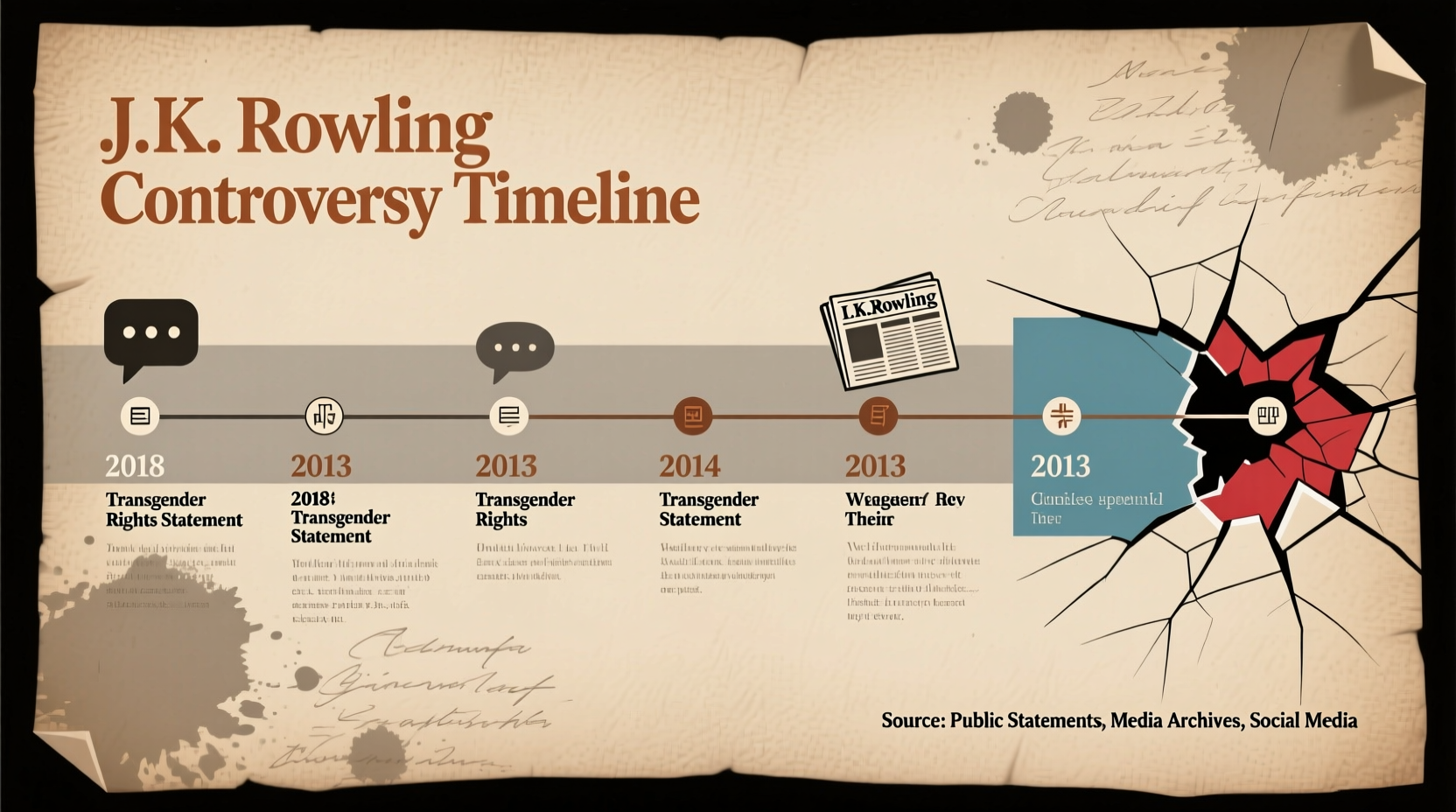
The roots of the backlash against J.K. Rowling can be traced back to 2018, when she liked a tweet that referred to “people who menstruate” as “women.” The phrasing sparked immediate criticism from LGBTQ+ advocates, who argued that it excluded transgender men and non-binary individuals who may also menstruate. Rowling later clarified that she was not denying the existence of trans people but was concerned about the redefinition of the word “woman” in legal and policy contexts.
This moment marked the beginning of a pattern: Rowling would make or endorse statements perceived as undermining transgender identities, often framing them as concerns about women’s rights and sex-based protections. Her critics accused her of promoting transphobia under the guise of feminism, while her supporters claimed she was defending biological reality and free expression.
Key Events in the Timeline
A detailed chronology helps clarify how isolated comments escalated into a sustained cultural firestorm:
- July 2018: Rowling likes a tweet referring to “people who menstruate,” drawing early criticism from trans activists.
- December 2019: She shares an article titled “Growing concerns about children being referred to as 'trans'” on Twitter, reigniting debate.
- June 2020: Amid George Floyd protests, Rowling posts a lengthy Facebook thread expressing concern over challenges faced by vulnerable women and girls due to changes in gender recognition laws. She references Maya Forstater, a researcher whose employment was terminated after stating that sex is biological. The post goes viral.
- July 2020: Rowling publishes an essay on her website elaborating on her views. She discusses topics like single-sex spaces, data collection, and the potential consequences of self-identification policies. The essay draws widespread condemnation from LGBTQ+ organizations and many of her former allies.
- July 2020: Over 500 authors and publishing professionals sign an open letter in *Harper’s Magazine* defending free speech, widely interpreted as supporting Rowling.
- 2020–2021: Several Harry Potter cast members, including Daniel Radcliffe and Emma Watson, publicly distance themselves from Rowling’s views while affirming their support for the trans community.
- 2022: Rowling faces backlash for liking tweets comparing gender-affirming care to conversion therapy and for referencing discredited studies.
- 2023: She releases a new crime novel under the pseudonym Robert Galbraith featuring a trans character portrayed negatively, intensifying accusations of transphobia.
- 2024: Multiple universities rescind honorary degrees or speaking invitations; fan conventions begin excluding her; merchandise sales decline amid boycotts.
Understanding the Core Issues
The conflict centers on competing rights: the rights of transgender individuals to live authentically versus concerns about preserving sex-based protections for women and girls. Rowling argues that conflating gender identity with biological sex erases the latter, potentially endangering women in shelters, prisons, and sports. Critics counter that her rhetoric fuels discrimination and puts trans lives at risk.
This tension reflects a broader societal struggle to define inclusivity. While Rowling identifies as a feminist, many within modern feminist movements argue that true feminism must be intersectional and include trans women.
| Rowling’s Stated Concerns | Criticisms From Trans Advocates |
|---|---|
| Preserving women-only spaces (e.g., domestic violence shelters) | Trans women are among the most vulnerable and need access to such spaces |
| Protecting freedom of speech and belief | Her platform amplifies harmful stereotypes and misinformation |
| Accuracy in language (e.g., use of “sex” vs. “gender”) | Language evolves; inclusive terms reflect lived experiences |
| Concerns about medical transitions for minors | Gender-affirming care is evidence-based and supervised by specialists |
Impact on Career and Public Perception
The controversy has had tangible effects on Rowling’s professional life. While her earlier works remain bestsellers, her newer publications have faced increased scrutiny and lower critical reception. Some bookstores have refused to stock her latest titles, and film projects tied to the Wizarding World have distanced themselves from her involvement.
Conversely, her core supporters praise her courage in speaking out against what they see as ideological conformity. Crowdfunding campaigns for her legal defense in related disputes have raised significant funds, indicating a loyal base.
“We must be able to speak about women’s issues without fear. If we cannot say ‘woman’ means female, then we lose the ability to fight for women’s rights.” — J.K. Rowling, 2020 essay
Expert Insight on Free Speech and Backlash
Dr. Sarah Thompson, a sociologist specializing in digital culture, notes: “Rowling’s case exemplifies how moral panic and cancel culture intersect in the social media age. A single comment can spiral into a global reckoning, regardless of intent. The real issue isn’t just one person’s opinion—it’s how society handles dissent in emotionally charged debates.”
Mini Case Study: The Leaky Cauldron Boycott
In 2021, a popular Harry Potter fan site, The Leaky Cauldron, announced it would no longer cover Rowling’s future projects. Once a primary source for Potter news, the site cited her “repeated anti-trans statements” as incompatible with its values of inclusivity. The decision split the fanbase: some praised the move as principled, while others accused the site of censorship.
The fallout illustrates the difficulty institutions face when navigating artist legacies amid evolving social norms. Despite distancing itself from Rowling, the site retained traffic by focusing on the broader franchise, proving that brands can pivot without abandoning their audience.
Frequently Asked Questions
Has J.K. Rowling ever apologized for her statements?
No, Rowling has not issued a formal apology. She maintains that her intention is to advocate for women’s rights and free speech, not to harm transgender individuals. She has stated she respects trans people but disagrees with certain aspects of gender identity ideology.
Are the Harry Potter books considered transphobic?
The books themselves contain no explicit references to transgender issues. Critics argue that the controversy stems solely from Rowling’s personal views, not the content of the novels. Many LGBTQ+ readers continue to find meaning and comfort in the series despite the author’s stance.
What is gender-critical feminism?
Also known as “TERF” (a term many reject), gender-critical feminism emphasizes the importance of biological sex in law and policy. Proponents believe that recognizing gender identity may undermine sex-based rights. Critics argue this framework often excludes or harms trans people.
Actionable Checklist: Navigating Controversial Creators
For readers and consumers grappling with this issue, here’s a practical checklist:
- ✅ Evaluate the art and the artist separately—ask what value the work brings to your life.
- ✅ Research diverse perspectives before forming an opinion.
- ✅ Support creators who align with your values, especially marginalized voices.
- ✅ Engage in respectful dialogue rather than online shaming.
- ✅ Donate to LGBTQ+ organizations if you want to take constructive action.
Conclusion: Beyond the Binary of Cancel Culture
The J.K. Rowling controversy is not simply about one woman’s tweets—it reflects deeper societal tensions around identity, language, and power. Reducing it to “cancellation” oversimplifies a complex dialogue about inclusion, safety, and free expression. Whether one agrees with Rowling or not, the episode underscores the need for nuance in public discourse.
As consumers, readers, and citizens, we hold the power to shape cultural narratives—not through silence or outrage alone, but through informed, empathetic engagement. The legacy of Harry Potter endures not because of its author’s politics, but because of its message: love, courage, and standing up for what’s right—even when it’s hard.




 浙公网安备
33010002000092号
浙公网安备
33010002000092号 浙B2-20120091-4
Comments
No comments yet. Why don't you start the discussion?