
In a world saturated with fast fashion and mass-produced jeans, Japanese denim stands apart as a symbol of enduring quality, meticulous attention to detail, and deep-rooted tradition. While many brands now claim premium status, few match the reputation that Japanese mills and artisans have built over decades. From raw selvedge denim to hand-stitched details, every aspect of Japanese denim reflects a philosophy where process matters as much as product. This article explores why Japanese denim is widely considered superior—examining its history, materials, weaving techniques, and cultural values that elevate it beyond mere clothing into wearable art.
The Legacy of Japanese Denim Craftsmanship
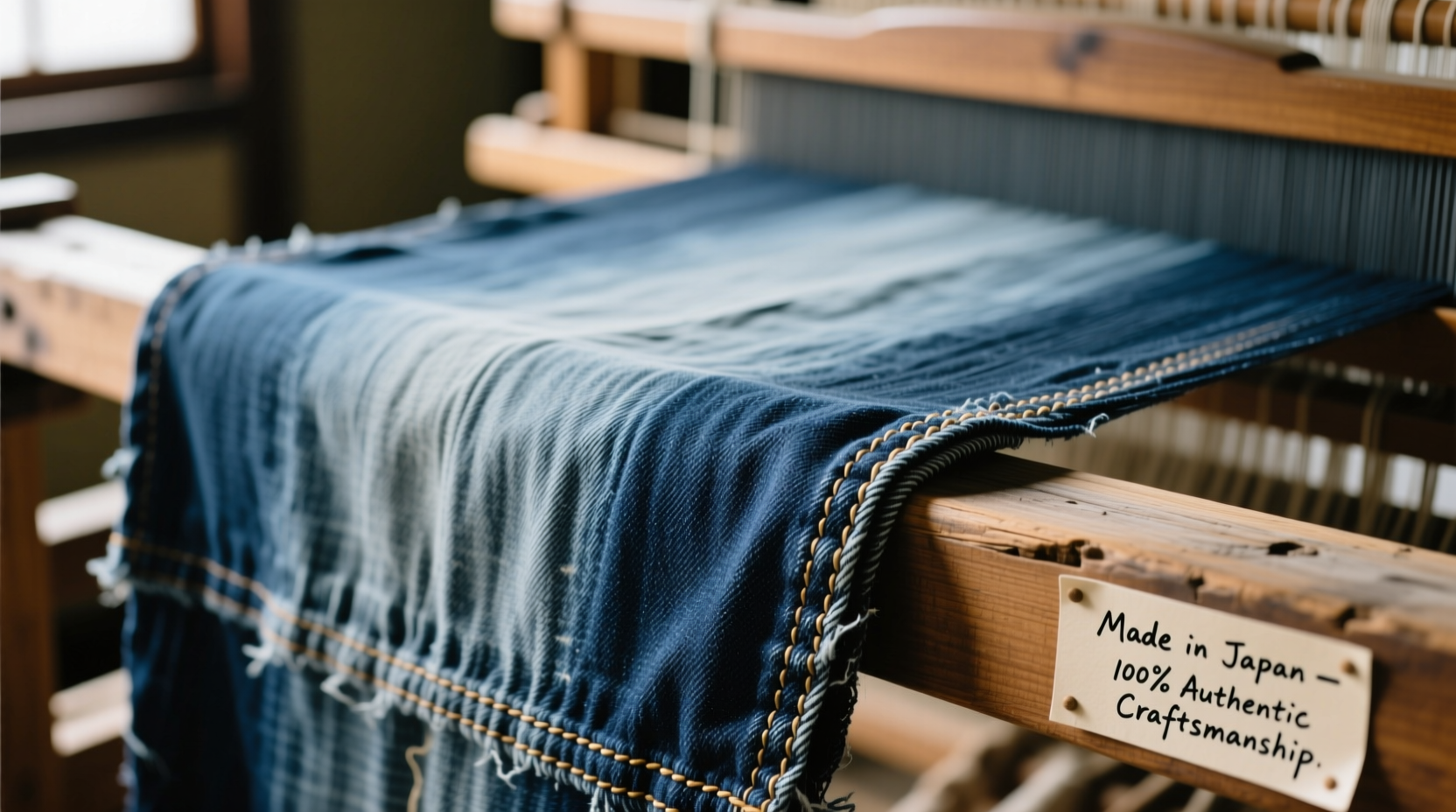
The story of Japanese denim begins not in boardrooms or design labs, but in post-war factories influenced by American workwear. After World War II, American jeans became symbols of rebellion and modernity in Japan. Japanese manufacturers studied vintage Levi’s pieces down to the thread count, reverse-engineering their construction with obsessive precision. What began as imitation evolved into innovation.
By the 1970s and 80s, mills like Kuroki, Kurabo, and Nihon Menpu started producing their own versions of selvage denim using vintage shuttle looms imported from the United States. These machines, though slower and less efficient than modern projectile looms, produce tighter weaves with clean edges—known as \"selvedge\"—that prevent fraying and add structural integrity.
This dedication to traditional methods didn’t just preserve old technology—it refined it. Japanese producers focused on consistency, purity of cotton, and subtle variations in indigo dyeing that gave each bolt of fabric a unique character. The result was denim that aged beautifully, developing personalized fades known as “honeycombs” and “whiskers” over time.
“Japanese denim isn’t about perfection at day one—it’s about transformation over years of wear.” — Takashi Matsuzaka, Founder of Pure Blue Japan
The Science Behind Superior Fabric Quality
What makes Japanese denim feel different? It starts with the fiber. Most premium Japanese denim uses Zimbabwean or Supima cotton, prized for long staple fibers that yield stronger, softer yarns. But even more critical is how these fibers are spun, dyed, and woven.
Indigo dyeing in Japan often follows the traditional rope-dyeing method, where cotton yarns are repeatedly dipped into vats of natural or synthetic indigo. Each dip builds depth of color, while allowing the core of the yarn to remain undyed. As the jeans wear, this creates a dynamic contrast between surface fade and inner blue, revealing the history of use.
The use of unsanforized (shrink-to-fit) denim further distinguishes Japanese craftsmanship. Unlike pre-shrunk denim, unsanforized fabric requires hot water soaking before wear, resulting in a custom fit and denser texture. This process appeals to purists who value authenticity and personalization.
Comparative Analysis: Japanese vs. Global Denim Production
| Feature | Japanese Denim | Mass-Market Denim |
|---|---|---|
| Weaving Loom | Vintage shuttle looms (slow, narrow width) | Modern projectile looms (fast, wide width) |
| Selvedge Edge | Pronounced, tightly woven, often branded | Absent or simulated |
| Cotton Source | Zimbabwean, Egyptian, or Supima long-staple | Standard short-staple cotton blends |
| Dyeing Process | Rope dyeing, multiple dips, deep penetration | Foam or pad dyeing, superficial color |
| Weight Range | 12 oz to 21+ oz (heavyweight options common) | 10–14 oz (lighter, stretch-focused) |
| Shrinkage | Unsanforized options available (~3–10%) | Pre-shrunk, minimal shrinkage |
The Art of Fade Development: A Timeline
One of the most celebrated aspects of Japanese denim is its ability to develop rich, organic fades. Here’s how that transformation unfolds over time:
- Week 1–4: Initial stiffness due to high cotton density. Minimal creasing appears at stress points—behind knees, front thighs.
- Month 2–3: First signs of fade emerge along seat and thigh areas. Contrast becomes visible under sunlight.
- Month 4–6: Whiskers form near belt loops; honeycombs appear behind knees. Fabric softens noticeably.
- 6–12 Months: Deep vertical fades develop on front legs. Pocket shadows become pronounced. Selvedge ID may start peeking through cuffs.
- Year 2+: Fades stabilize into a personalized map of movement and lifestyle. Some wearers choose to retire or archive their pairs.
This aging process is not guaranteed—it depends on wear frequency, body mechanics, and care habits. But only high-tension, ring-spun, indigo-dyed denim like that from Japan allows such dramatic and aesthetically pleasing evolution.
Mini Case Study: The Journey of a Pair of Pure Blue Japan 15oz Unsanforized
Consider Kenji Tanaka, a Tokyo-based architect who purchased a pair of Pure Blue Japan 15oz unsanforized selvedge jeans in early 2021. He soaked them in hot water for 30 minutes to initiate shrinkage, then wore them daily for six months without washing. His commute involved cycling, sitting at a drafting table, and walking urban streets—creating consistent friction points.
By month four, distinct whiskers radiated from his front pockets, shaped by the way he carried his phone and wallet. Knee bends revealed layered honeycombs, while seat abrasion created a soft fade resembling brushed steel. After two years, the jeans had transformed into a visual diary of his routine. When asked why he didn’t switch to more comfortable stretch denim, he replied: “These don’t just fit my body—they remember it.”
Checklist: How to Choose Authentic Japanese Denim
- ✅ Look for “Japan” or “Made in Japan” on the leather patch or label
- ✅ Check for a visible selvedge ID line when cuffing the hem
- ✅ Verify the weight (oz/yd²)—true Japanese denim is typically 13oz+
- ✅ Research the mill—Kuroki, Cone Mills Japan, or Studio D’Artisan are reputable sources
- ✅ Feel the fabric—dense, slightly stiff, with a matte finish indicates quality
- ✅ Avoid stretch-heavy blends if seeking traditional character
- ✅ Prefer natural indigo over black or washed finishes for best aging potential
Common Misconceptions About Japanese Denim
Despite its acclaim, several myths persist:
- Myth: All Japanese denim is expensive.
Reality: Entry-level options exist (e.g., Uniqlo’s collaborations), though premium lines justify cost through labor and materials. - Myth: It’s only for collectors.
Reality: Many brands offer ready-to-wear fits suitable for daily wear, balancing tradition with comfort. - Myth: You must never wash your jeans.
Reality: Infrequent washing preserves fades, but hygiene matters. Clean when needed—just do so gently.
Frequently Asked Questions
Is Japanese denim worth the price?
For those who value longevity, sustainability, and aesthetic evolution, yes. A $250 pair worn daily for five years costs less per wear than multiple cheap pairs replaced annually. Beyond economics, the emotional connection formed through wear adds intangible value.
Can I get Japanese denim outside Japan?
Yes. Brands like Momotaro, Samurai, Warehouse, and Flat Head are distributed globally through authorized retailers. Beware of counterfeit patches or misleading “inspired by” claims—research sellers carefully.
How do I break in stiff raw denim?
Wear them progressively—start with short sessions, then increase duration. Avoid soaking unless you want immediate shrinkage. Movement will gradually mold the fabric to your shape over 4–8 weeks.
Conclusion: Wear the Craft, Not Just the Cloth
Japanese denim is more than a product—it’s a testament to patience, precision, and respect for material. In an age of disposable fashion, it offers an alternative path: one where clothing earns meaning through time and use. Whether you're drawn to the deep indigo hues, the satisfying weight of the fabric, or the promise of a one-of-a-kind fade journey, choosing Japanese denim means investing in something that grows with you.




 浙公网安备
33010002000092号
浙公网安备
33010002000092号 浙B2-20120091-4
Comments
No comments yet. Why don't you start the discussion?