
When it comes to premium denim, few names command the same respect as Japanese denim. Known for its exceptional durability, rich color depth, and meticulous construction, Japanese denim has become the gold standard among fashion enthusiasts, tailors, and denim purists worldwide. But what exactly makes it so superior? The answer lies not in marketing hype, but in a deep-rooted tradition of craftsmanship, material integrity, and obsessive attention to detail that spans generations.
Unlike mass-produced jeans designed for fast fashion cycles, Japanese denim is built to last—both in fabric strength and aesthetic appeal. Its reputation stems from a combination of historical context, technical precision, and cultural values that prioritize longevity over convenience. This article breaks down the core reasons behind the unmatched quality of Japanese denim, exploring everything from vintage shuttle looms to natural indigo dyeing techniques.
The Heritage of Fabric: How Traditional Looms Make a Difference
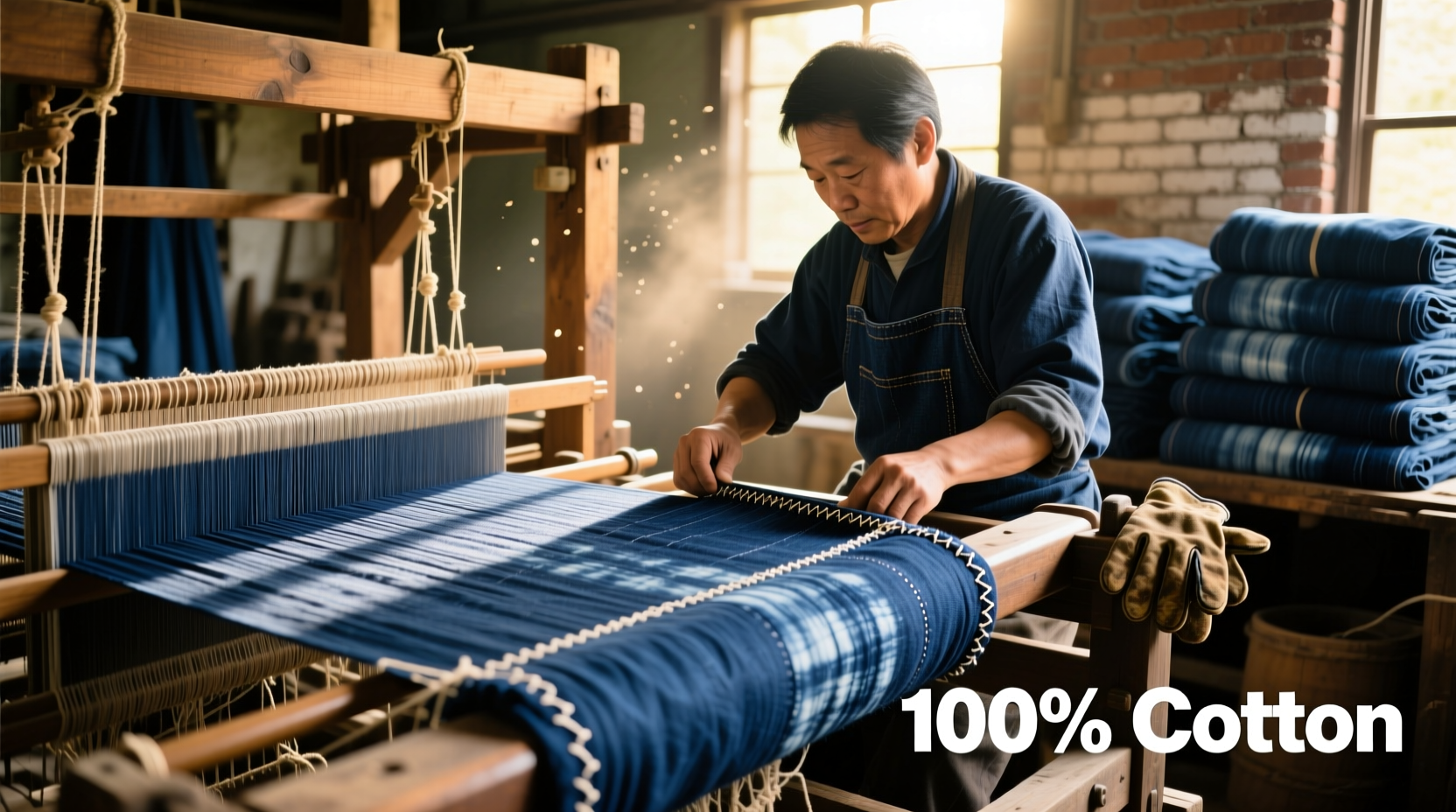
One of the most defining features of authentic Japanese denim is its use of traditional shuttle looms. Unlike modern projectile or air-jet looms that produce wide bolts of fabric at high speed, shuttle looms are slow, narrow-width machines originally developed in the early 20th century. These looms were once common in American mills during the heyday of denim production—but as efficiency became paramount, they were largely phased out by the 1980s.
In Japan, however, artisans preserved these machines, recognizing their unique ability to create denser, more durable fabric. Shuttle looms operate with a single thread (weft) passed back and forth through the warp threads, resulting in a tighter weave and self-finished edges known as “selvedge” (or “self-edge”). This selvedge prevents fraying and adds structural integrity to the denim.
The slower production rate of shuttle looms means lower output, but higher control. Each yard of fabric is inspected in real time, allowing weavers to maintain consistency and correct imperfections immediately. This hands-on approach results in denim with subtle irregularities—often called \"slub\"—that add character and texture over time, making each pair uniquely personal as it ages.
Indigo Mastery: The Art and Science Behind the Color
No discussion of Japanese denim is complete without addressing its legendary indigo dyeing process. While most commercial denim uses synthetic indigo applied quickly via chemical baths, Japanese mills often employ a more labor-intensive method known as rope dyeing. In this technique, cotton yarns are twisted into ropes and repeatedly dipped into vats of indigo solution, then exposed to oxygen between dips—a process called oxidation.
Each dip adds another layer of pigment, building depth and complexity. High-end Japanese denim may undergo 10–15 dips, sometimes more, compared to just 2–3 in standard denim. This layered approach creates a deep blue hue that gradually fades into striking contrasts and whiskering patterns as the jeans are worn and washed.
“Japanese indigo isn’t just about color—it’s about how light interacts with multiple layers of dye. That’s where the magic happens.” — Hiroshi Fujiwara, Denim Archivist & Textile Historian
Beyond synthetic indigo, some Japanese producers go further by using natural indigo derived from the *Indigofera* plant. Though significantly more expensive and less consistent, natural indigo produces richer tonal variation and develops a warmer fade over time. Brands like Kuroki Mills and Kurabo have mastered both methods, offering options for purists and innovators alike.
Material Integrity: From Cotton Sourcing to Yarn Spinning
The foundation of any great fabric begins with raw materials. Japanese denim manufacturers source long-staple cotton, often Egyptian or Zimbabwean, prized for its strength and softness. However, unlike many Western producers who prioritize softness alone, Japanese mills focus on balance—ensuring fibers retain stiffness initially to support better fading later.
Once selected, the cotton undergoes ring-spinning, a slower spinning method that aligns fibers tightly around a central core. This produces stronger, smoother yarns than open-end spinning used in cheaper denim. Stronger yarns mean fewer breaks during weaving and greater resistance to pilling and abrasion over time.
The result is a heavier, more substantial hand-feel—commonly ranging from 13oz to 21oz per square yard. For comparison, most mainstream jeans fall between 10oz and 12oz. Heavier denim molds to the wearer’s body more precisely and wears in rather than wears out.
| Feature | Japanese Denim | Standard Mass-Market Denim |
|---|---|---|
| Weaving Method | Shuttle Loom (Selvedge) | Projectile/Air-Jet Loom (Non-Selvedge) |
| Indigo Process | Rope Dyeing (10+ dips), Natural Options | Foam or Slasher Dyeing (2–3 dips) |
| Cotton Quality | Long-Staple, Ring-Spun | Short-Staple, Open-End Spun |
| Weight Range | 13–21 oz/yd² | 8–12 oz/yd² |
| Production Speed | Slow, Batch-Based | High-Speed Continuous Roll |
The Human Element: Craftsmanship Beyond Machinery
Machines alone don’t explain the superiority of Japanese denim—it’s the human expertise guiding them that makes the difference. Many Japanese denim mills are family-run operations with decades of experience. Workers develop an intimate understanding of tension, humidity, dye viscosity, and fiber behavior, adjusting processes manually throughout the day.
This artisanal oversight extends beyond the mill to the garment factories. Japanese-made jeans are typically cut, sewn, and finished in small workshops where seamstresses and tailors inspect every stitch. Chain stitching—a technique that uses a looping thread pattern along the inseam—is commonly used because it mimics vintage American jeans and allows for slight stretch and characterful unraveling over time.
Even details like pocket placement, button type (often branded shanks or corozo nuts), and hem finishing are carefully considered. Some brands offer unsanforized denim—meaning it hasn’t been pre-shrunk—requiring buyers to soak the jeans before first wear. This archaic method preserves maximum shrinkage potential and ensures a truly custom fit after breaking in.
Real-World Longevity: A Case Study in Wear and Fade
Takeshi Nakamura, a Tokyo-based architect, purchased his first pair of Pure Blue Japan 18oz unsanforized selvedge jeans in 2017. Over six years, he wore them nearly daily during commuting and weekend hikes, washing them only twice—once after 18 months, then again at five years.
By 2023, the jeans had transformed. Distinct honeycombs formed behind the knees, sharp whiskers radiated from his front pockets, and the seat showed a pronounced fade from constant contact with his bicycle saddle. Yet despite heavy use, there were no tears, seam splits, or thinning areas. The fabric remained thick and resilient, with the indigo revealing complex undertones due to uneven dye release.
“People ask me why I don’t buy new ones,” Takeshi said. “But these aren’t just clothes—they’re records of my life. Every crease tells a story.”
This kind of evolution is rare with mass-market denim, which often loses shape and fades uniformly within months. Japanese denim rewards patience, developing personality only through sustained wear.
How to Choose Authentic Japanese Denim: A Buyer’s Checklist
With rising demand, some brands misleadingly label products as “inspired by Japanese denim” without actual Japanese fabrication. Use this checklist to ensure authenticity:
- Origin Marking: Check the selvedge ID or label for “Japan Cotton,” “Made in Japan,” or specific mill names like Kuroki, Cone Japan, or Kaihara.
- Selvedge Edge: Gently roll up the cuff to reveal the inner seam—real selvedge will have a clean, finished edge with colored threading.
- Weight Indication: Authentic Japanese denim usually lists weight in ounces (e.g., 15.5oz); vague terms like “heavy” aren’t reliable.
- Stitching Details: Look for chain-stitched hems, bar tacks at stress points, and reinforced pocket corners.
- Brand Transparency: Reputable brands openly share mill partnerships, fabric specs, and factory locations.
Common Misconceptions About Japanese Denim
Despite its acclaim, several myths persist:
- Myth: All dark denim is Japanese.
Truth: Dark washes exist globally; origin matters more than shade. - Myth: It doesn’t need washing.
Truth: While infrequent washing enhances fading, hygiene should not be ignored. Spot-clean and air out regularly. - Myth: It’s always stiff and uncomfortable.
Truth: Modern Japanese brands offer sanforized and blended options for comfort without sacrificing quality.
FAQ: Your Top Questions Answered
Is Japanese denim worth the price?
Absolutely. Priced between $150 and $300+, Japanese denim costs more upfront but lasts significantly longer than $50 fast-fashion alternatives. When amortized over years of wear, it offers superior value per use. Plus, the evolving fade pattern makes each pair one-of-a-kind.
Do I need to do the “soak” for raw denim?
If your jeans are unsanforized (shrink-to-fit), yes. Soaking helps control shrinkage (typically 3–10%) and sets the fit. Fill a bathtub with cold water, submerge the jeans for 30 minutes, then hang dry. Avoid wringing or machine drying.
Can women wear Japanese denim?
Yes. While historically marketed toward men, many brands now offer women’s fits or unisex styles. Labels like Studio D’Artisan, Samurai Jeans, and Momotaro provide tapered and slim silhouettes suitable for all genders.
Conclusion: Invest in Craft, Not Just Clothing
Japanese denim stands apart not because of branding or scarcity, but because of a philosophy: that clothing should improve with age, reflect individuality, and honor the skill behind its creation. Every decision—from loom selection to dye chemistry—is made with intention, creating garments that transcend trends.
Choosing Japanese denim isn’t just about owning a pair of jeans. It’s about participating in a culture of mindful consumption, where quality trumps quantity and craftsmanship is celebrated over convenience. Whether you're drawn to its visual appeal, durability, or heritage, embracing Japanese denim means investing in something that lasts—not just in seams, but in meaning.




 浙公网安备
33010002000092号
浙公网安备
33010002000092号 浙B2-20120091-4
Comments
No comments yet. Why don't you start the discussion?