
When Jujutsu Kaisen Season 2 premiered, fans immediately noticed something distinct: the animation had shifted. The bold lines, exaggerated expressions, and surreal visual language stood in contrast to the more conventional action-anime aesthetic of Season 1. This wasn’t a downgrade or technical limitation—it was a deliberate artistic pivot. The change in animation style wasn’t accidental; it reflected deeper narrative ambitions, a new creative direction under director Shota Gosho, and MAPPA’s willingness to push boundaries in anime storytelling. To understand why Season 2 looks different, we need to examine not just how it was made, but why.
The Narrative Shift: From Action to Psychological Depth
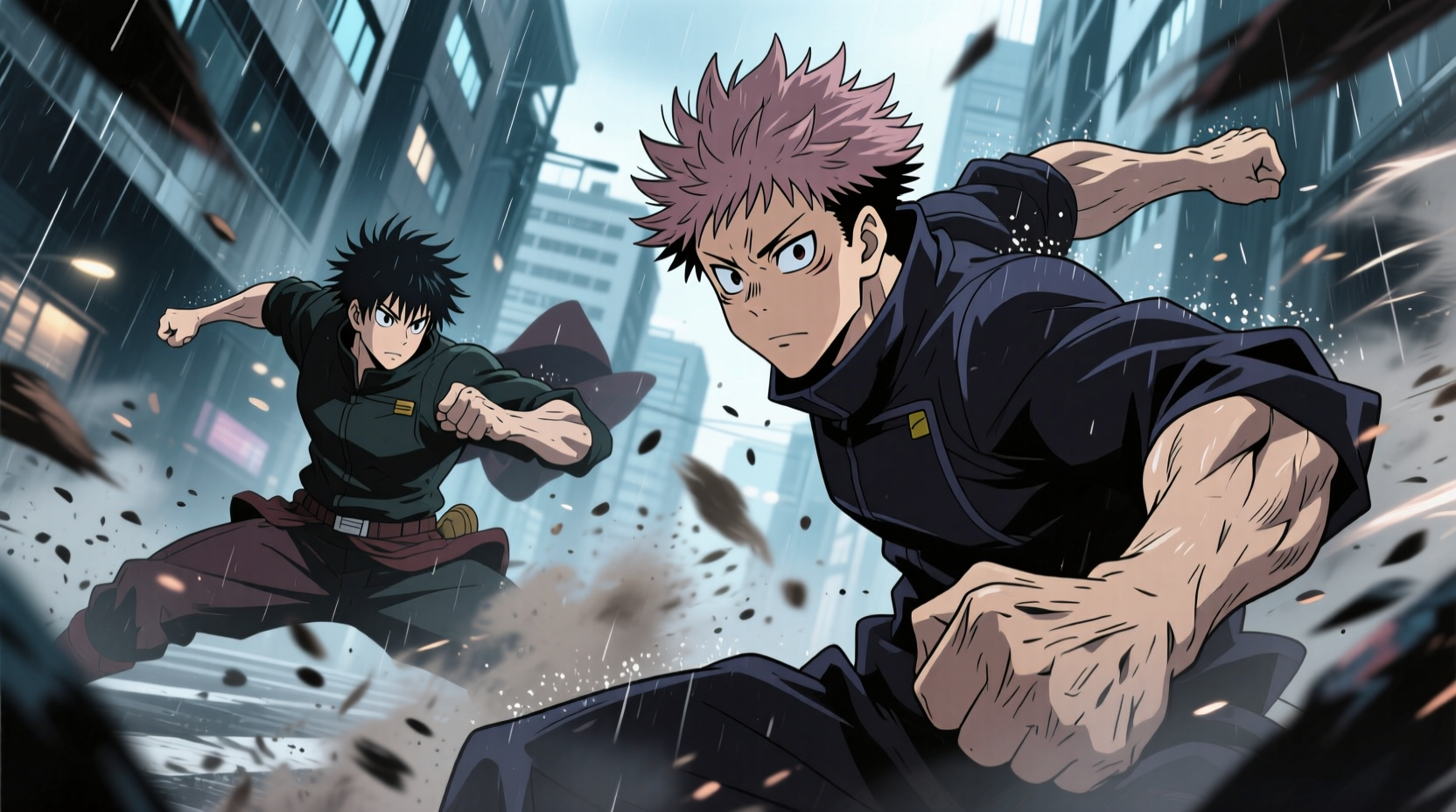
Season 1 of Jujutsu Kaisen focused on introducing the world of curses, sorcerers, and Yuji Itadori’s journey from ordinary high schooler to cursed energy wielder. The tone was action-driven, with episodic battles and escalating threats. The animation followed suit—clean, dynamic, and rooted in traditional shonen fight choreography.
Season 2, however, pivots sharply toward psychological horror and emotional introspection. The two major arcs—Hidden Inventory / Premature Death and Shibuya Incident—deal with trauma, identity, regret, and existential dread. These themes demand a different visual language. Instead of straightforward combat sequences, the series delves into fractured memories, distorted realities, and internal struggles that cannot be conveyed through standard animation techniques.
The shift in style mirrors this tonal transformation. Season 2 employs surrealism, abstract backgrounds, symbolic color grading, and exaggerated character designs to externalize inner turmoil. For example, during Gojo Satoru’s flashback with Geto and Yuta, the use of stark monochrome palettes, floating body parts, and dreamlike transitions emphasizes the weight of memory and loss. These visuals aren’t just stylistic flair—they’re narrative tools.
Directorial Vision: Shota Gosho’s Artistic Signature
One of the most significant factors behind the altered animation style is the change in directorial leadership. While Season 1 was directed by Sunghoo Park, Season 2 saw Shota Gosho step into the role of chief director. Gosho, known for his work as a storyboard artist and episode director on shows like Devilman Crybaby and Chainsaw Man, brings a distinct sensibility—one rooted in experimental visuals and emotional intensity.
Gosho’s approach leans heavily into expressionism. He uses camera angles, motion blur, and non-linear editing to evoke mood rather than clarity. In the Geto’s Past arc, scenes are fragmented, with rapid cuts between childhood memories and present-day consequences. Characters’ faces stretch and distort during moments of emotional peak, a technique borrowed from avant-garde animation and theatrical performance.
“Animation isn’t just about movement—it’s about feeling. When a character breaks down, the world should break with them.” — Shota Gosho, in a 2023 Animage interview
This philosophy explains why Season 2 feels so visceral. The animation doesn’t merely illustrate dialogue or action; it amplifies subtext. The grotesque design of Kenjaku during flashbacks, the eerie stillness of Suguru Geto’s final moments, and the chaotic swirls of cursed energy during mental breakdowns—all serve to immerse the viewer in the characters’ psyches.
MAPPA’s Production Strategy and Creative Freedom
MAPPA, the studio behind Jujutsu Kaisen, has earned a reputation for taking creative risks. After the success of Season 1, the studio had both the budget and the leverage to experiment. Rather than replicate the previous season’s formula, they opted for a bolder, more interpretive approach.
This decision aligns with a broader trend in modern anime: the move away from uniform consistency toward “arc-based” visual storytelling. Studios like Studio Trigger (Darling in the Franxx) and Bones (My Hero Academia) have adopted similar strategies, where each story arc receives a unique aesthetic treatment tailored to its themes.
In Season 2, MAPPA utilized multiple animation directors and unit directors across episodes, allowing for greater stylistic variation. For instance:
- Episode 10 (“The First Student”) features painterly backdrops and soft lighting to evoke nostalgia.
- Episode 13 (“The Origin of the Curse”) uses heavy shadows and minimal linework to create a sense of dread.
- The Shibuya Incident arc blends real-time surveillance-style cinematography with surreal hallucinations.
This modular approach gives the season a dynamic, almost cinematic rhythm. However, it also means the animation can feel inconsistent to viewers expecting uniformity—a trade-off between artistic ambition and viewer comfort.
Visual Techniques That Define Season 2’s Style
To fully appreciate the difference, it helps to break down the specific animation techniques used in Season 2:
| Technique | Description | Example in Season 2 |
|---|---|---|
| Abstract Backgrounds | Replacing realistic environments with symbolic shapes and colors | Gojo’s flashback uses swirling voids and floating eyes to represent isolation |
| Exaggerated Proportions | Distorting character anatomy for emotional effect | Geto’s face elongates during his breakdown in Episode 14 |
| Limited Animation with Impact | Reducing motion in key scenes to emphasize stillness or shock | Yuji’s frozen reaction after learning of Nobara’s death |
| Surreal Transitions | Using dream logic to move between scenes | Flashbacks dissolve into blood-red skies or falling ash |
| Color Symbolism | Using color palettes to signal mood shifts | Blue tones dominate sorrowful scenes; red signals danger or rage |
These techniques are not new to anime—they echo the works of Satoshi Kon, Masaaki Yuasa, and even early Gainax productions. But their application in a mainstream shonen series marks a turning point. Jujutsu Kaisen Season 2 proves that commercial anime can embrace arthouse sensibilities without losing audience engagement.
Real Example: The Impact of Visual Storytelling in Episode 15
Consider Episode 15, “Noah’s Ark,” which centers on Hana Kurusu’s tragic backstory. The episode begins with a quiet, almost mundane school setting. But as her memories unfold, the animation shifts dramatically. Her classroom dissolves into a sea of black tendrils. Her classmates become faceless silhouettes. When she finally unleashes her cursed technique, the screen erupts in jagged lines and dissonant sound design.
This isn’t just “good animation”—it’s empathetic storytelling. The visual chaos mirrors Hana’s lifelong struggle with invisibility and rejection. By distorting reality, the animators make the viewer *feel* her alienation. Fans reported being emotionally overwhelmed, not because of dialogue, but because the animation itself carried the weight of her pain.
This moment exemplifies why the style change matters: it transforms Jujutsu Kaisen from a battle-focused series into a psychological drama with supernatural elements.
Expert Insight: Industry Perspectives on the Evolution
The shift hasn’t gone unnoticed in the anime industry. Critics and animators alike have praised Season 2’s bold direction.
“The animation in Season 2 isn’t ‘different’—it’s matured. It treats the audience as capable of interpreting visual metaphors, not just following plot points.” — Akira Takahashi, Animation Critic, Animedia Monthly
“Gosho-san gave us freedom to fail. We tried things that might’ve looked ‘wrong’ in another show. But here, the wrongness *was* the point.” — Lead Key Animator, anonymous MAPPA staff (via Anime News Network, 2023)
These insights reveal a crucial truth: the style change wasn’t due to budget cuts or rushed production, as some speculated. It was a calculated risk to deepen emotional resonance and expand the expressive range of the medium.
Common Misconceptions About the Animation Shift
Despite the acclaim, several myths persist about Season 2’s animation:
- Myth: The art declined due to MAPPA’s tight schedule.
Reality: While MAPPA has faced scheduling pressures, Season 2’s visuals were planned from the start. The studio allocated extra resources to key episodes. - Myth: The weird styles are just fan service or edginess.
Reality: Every stylistic choice serves the story. The grotesque imagery in Kenjaku’s past reflects his moral decay. - Myth: It’s too confusing or artsy for a shonen anime.
Reality: Modern audiences, especially younger ones raised on visually rich media, respond well to layered storytelling. The complexity enhances rewatch value.
Frequently Asked Questions
Was the animation style change due to budget issues?
No. While MAPPA has been under pressure to deliver multiple projects simultaneously, the visual overhaul in Season 2 was intentional and supported by increased investment in key creative roles. The studio prioritized artistic direction over uniform frame rates.
Will Season 3 continue this style?
Early indications suggest yes. Teasers for the Heavenly Restriction Arc feature similar surreal aesthetics, particularly in depictions of Yuta Okkotsu’s unstable powers. The creative team appears committed to maintaining this evolved visual language.
How can I better appreciate the new animation style?
Watch key episodes—like 10, 14, and 15—on a large screen with full attention. Pay attention to background details, color shifts, and character expressions. Consider reading interviews with Gosho and the animation directors to understand their intentions.
Actionable Checklist: How to Analyze Anime Style Changes Like a Pro
Next time an anime shifts its visual approach, use this checklist to understand why:
- Identify the core theme of the current arc (e.g., trauma, betrayal, growth).
- Note any changes in director, animation director, or studio leads.
- Look for recurring visual motifs (colors, shapes, camera movements).
- Compare key scenes from before and after the shift—what emotions do they evoke?
- Research interviews or commentary from the production team.
- Ask: Does the style enhance the story, or distract from it?
Conclusion: Embracing Evolution in Anime Storytelling
The different animation style in Jujutsu Kaisen Season 2 isn’t a deviation—it’s an evolution. By embracing surrealism, psychological depth, and directorial experimentation, the series transcends its shonen roots and becomes something more ambitious: a visually driven exploration of trauma, power, and human fragility.
This shift challenges viewers to engage more deeply, to read between the lines—and between the frames. It sets a precedent for future anime: that style and substance don’t have to be separate, that emotional truth can be told through distortion as much as realism.




 浙公网安备
33010002000092号
浙公网安备
33010002000092号 浙B2-20120091-4
Comments
No comments yet. Why don't you start the discussion?