
Jury duty is often seen as an inconvenience—something that interrupts work, delays plans, or feels like a bureaucratic obligation. Yet beneath the surface lies one of the most powerful mechanisms of democracy: the right to a trial by a jury of one’s peers. This cornerstone of the legal system ensures fairness, accountability, and public trust in justice. Far from being just a civic chore, jury duty is a vital expression of democratic participation and a safeguard against arbitrary power.
Every time a citizen steps into a courtroom as a juror, they are not merely fulfilling a legal requirement—they are actively shaping the integrity of the justice system. Understanding the deeper significance of jury duty reveals how individual participation strengthens societal values, protects constitutional rights, and reinforces the rule of law.
The Foundation of Fair Trials
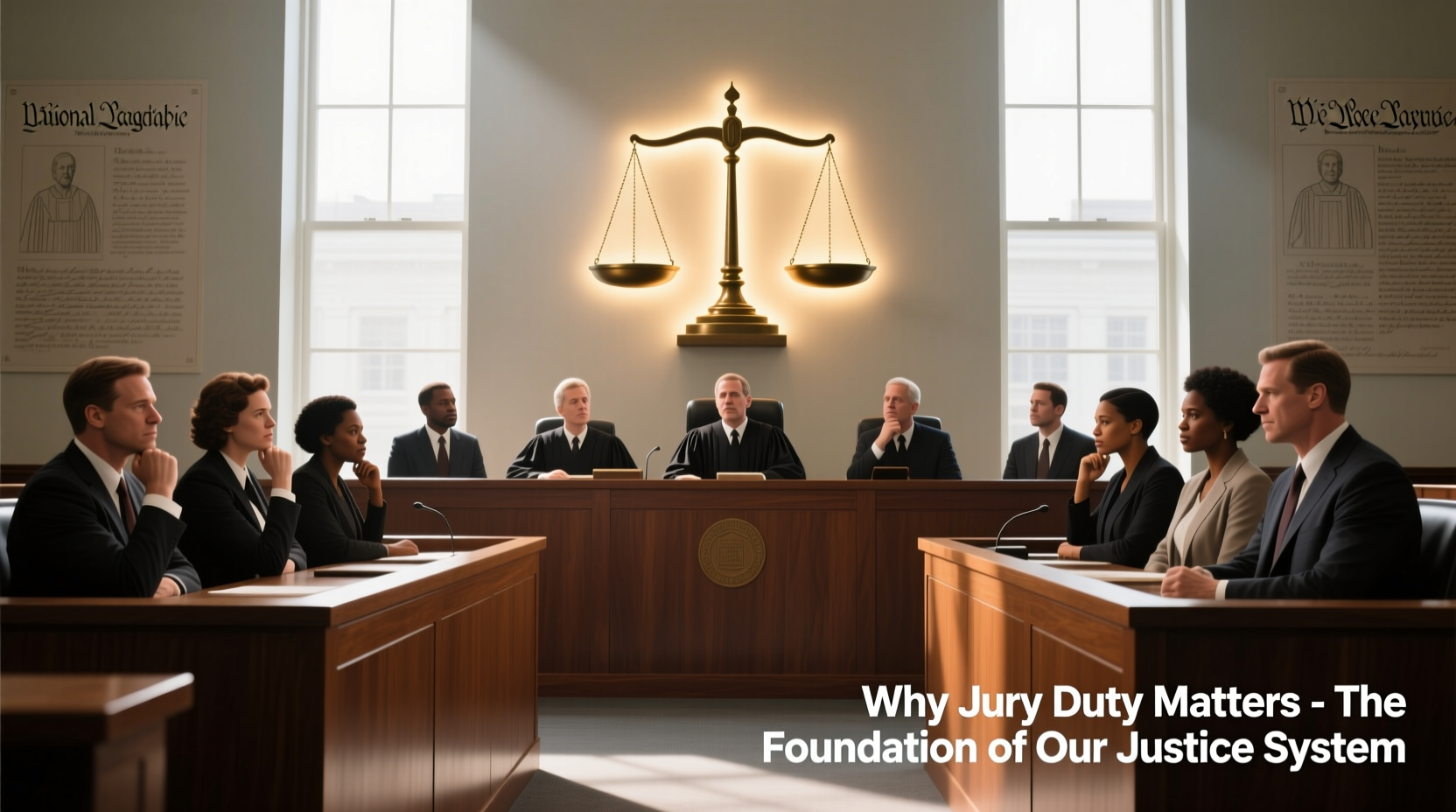
The Sixth Amendment to the U.S. Constitution guarantees the right to a speedy and public trial by an impartial jury in criminal cases. This right wasn’t established lightly; it emerged from centuries of struggle against authoritarian rule where decisions were made behind closed doors by monarchs or appointed officials without transparency or accountability.
A jury composed of ordinary citizens introduces a layer of objectivity and community representation that professional judges alone cannot provide. Jurors bring diverse life experiences, cultural perspectives, and common sense to their deliberations. This collective judgment helps prevent bias, corruption, and unchecked authority within the judicial process.
“Jury duty is the most direct way for ordinary people to participate in self-governance. It turns abstract citizenship into tangible action.” — Professor Linda Greenhouse, Yale Law School
When a jury listens to evidence, weighs testimony, and reaches a verdict, they do so not based on legal theory but on human understanding. This real-world perspective balances the technicalities of law with moral reasoning, ensuring outcomes reflect both legality and justice.
Civic Responsibility and Democratic Engagement
Democracy functions best when citizens don’t just vote every few years but remain engaged in the ongoing operation of government. Jury service is a form of active citizenship—similar in importance to voting, yet more immersive. It demands attention, critical thinking, and ethical decision-making.
Serving on a jury reminds individuals that laws are not distant mandates handed down from above, but rules that affect real lives and must be interpreted fairly. By participating directly in the administration of justice, jurors reaffirm their role in maintaining a free and equitable society.
How Jury Duty Protects Individual Rights
One of the most profound roles of the jury is serving as a check on governmental power. In criminal cases, prosecutors represent the state—a vastly resourced entity with significant influence. The jury acts as a counterbalance, ensuring that even the most compelling case presented by authorities must meet the standard of “beyond a reasonable doubt” in the eyes of everyday people.
This function becomes especially crucial in controversial or high-profile cases. Juries can refuse to convict when they believe enforcement is unjust, even if technically lawful—a concept known as “jury nullification.” While rarely discussed openly in courtrooms, this power has historically protected dissenters, marginalized groups, and those targeted by oppressive laws.
In civil cases, juries also play a key role in holding institutions accountable. From medical malpractice to corporate negligence, jury verdicts have led to major reforms in safety standards, workplace practices, and consumer protections.
Real Impact: A Case Study in Justice
In 2015, a small-town jury in Ohio was tasked with deciding whether a pharmaceutical company had misled doctors about the addictive nature of its painkillers. Despite aggressive defense tactics and complex medical testimony, the six jurors—teachers, retirees, and small business owners—spent three days reviewing documents, asking clarifying questions, and debating the implications.
Their verdict found the company liable for deceptive marketing, resulting in millions in damages and triggering nationwide scrutiny of opioid distribution practices. Legal experts later cited the case as pivotal in reshaping industry regulations. What made the outcome possible? Not legal expertise, but careful listening, shared values, and a commitment to truth.
This example illustrates how ordinary citizens, given responsibility and access to facts, can deliver extraordinary justice.
Common Misconceptions About Jury Duty
Many people avoid or resent jury duty due to myths about its inefficiency or irrelevance. Below is a comparison of common misconceptions versus reality:
| Misconception | Reality |
|---|---|
| Jury trials are outdated and inefficient. | Juries resolve only a fraction of cases, but those they hear are often the most serious or contested—where public oversight matters most. |
| Jurors aren’t qualified to make legal decisions. | Judges instruct jurors on the law; jurors apply it to facts. Their role isn’t to interpret statutes but to assess credibility and context. |
| Jury duty doesn’t really matter—judges decide everything anyway. | In bench trials, judges do decide, but jury trials preserve the right of peers to judge guilt or liability, which remains foundational. |
| I’ll never be picked or my opinion won’t count. | Each juror undergoes screening to ensure fairness. Once seated, each vote carries equal weight in deliberation. |
Step-by-Step: What to Expect During Jury Duty
Understanding the process reduces anxiety and increases engagement. Here’s a typical timeline:
- Summons Received: You’re notified by mail to report to court on a specific date.
- Check-In & Orientation: Arrive at the courthouse, present ID, and attend a briefing on procedures.
- Voir Dire (Jury Selection): Attorneys and the judge ask questions to screen potential biases.
- Seated on a Panel: If selected, you’ll hear opening statements, witness testimony, and evidence.
- Deliberation: Jurors discuss the case privately and aim to reach a unanimous verdict (in criminal cases).
- Verdict Delivered: The foreperson reads the decision in court. Service concludes unless another trial begins.
Frequently Asked Questions
Can I get out of jury duty?
Exemptions exist for extreme hardship, disability, or certain professions (e.g., active military), but outright avoidance undermines civic health. Postponements are often available for scheduling conflicts.
Do jurors get paid?
Most courts offer a nominal daily stipend (e.g., $15–$50) and reimburse travel. Employers may continue wages, though they’re not always required to do so.
What happens if I ignore the summons?
Failure to respond can result in fines, penalties, or even contempt of court charges. It’s better to request deferral or exemption formally.
Strengthening Democracy One Verdict at a Time
Jury duty is more than a legal obligation—it's a living connection between the people and the justice system. When citizens serve, they affirm that no one is above the law and that fairness depends on participation. The diversity of backgrounds, beliefs, and experiences among jurors enriches the process, making justice not a top-down decree, but a collective act.
In an era of declining trust in institutions, jury service offers a rare opportunity to rebuild confidence through firsthand experience. Those who serve often leave with a deeper appreciation for the complexity of legal decisions and the resilience of due process.
- Jurors uphold constitutional rights.
- Jurors ensure accountability in prosecution and defense.
- Jurors model civic courage and rational discourse.
Checklist: Preparing for Jury Duty
- Read your summons carefully and note reporting instructions.
- Dress appropriately—avoid jeans, shorts, or revealing clothing.
- Bring photo ID and the summons document.
- Plan for transportation and meals; courthouse access varies.
- Inform your employer and arrange coverage if needed.
- Leave electronic devices at home unless permitted.
- Approach the experience with openness and seriousness.
“The jury is the lamp that shows that freedom lives.” — Alexis de Tocqueville, Democracy in America
Conclusion
Jury duty matters because justice cannot be outsourced. It requires the steady hand of informed citizens willing to listen, deliberate, and decide. Every time someone answers the call to serve, they contribute to a legacy of fairness that defines democratic societies. Rather than viewing it as a burden, consider jury duty a privilege—one that empowers you to protect rights, shape outcomes, and strengthen the foundation of justice for all.




 浙公网安备
33010002000092号
浙公网安备
33010002000092号 浙B2-20120091-4
Comments
No comments yet. Why don't you start the discussion?