
In a world where productivity hinges on alertness, caffeine has become a daily essential for millions. For decades, coffee has reigned supreme as the go-to energy booster. But a growing number of people are turning to matcha—a finely ground green tea powder—not just as a trendy alternative, but as a smarter, more sustainable source of energy. The key lies not just in how much caffeine each contains, but in how it’s delivered to your brain and body. Unlike coffee’s sharp spike followed by a debilitating crash, matcha provides a smooth, steady lift that lasts for hours without the jitters or fatigue. Understanding this difference reveals why matcha may be the superior choice for mental clarity, emotional balance, and long-term well-being.
The Science Behind Caffeine Absorption
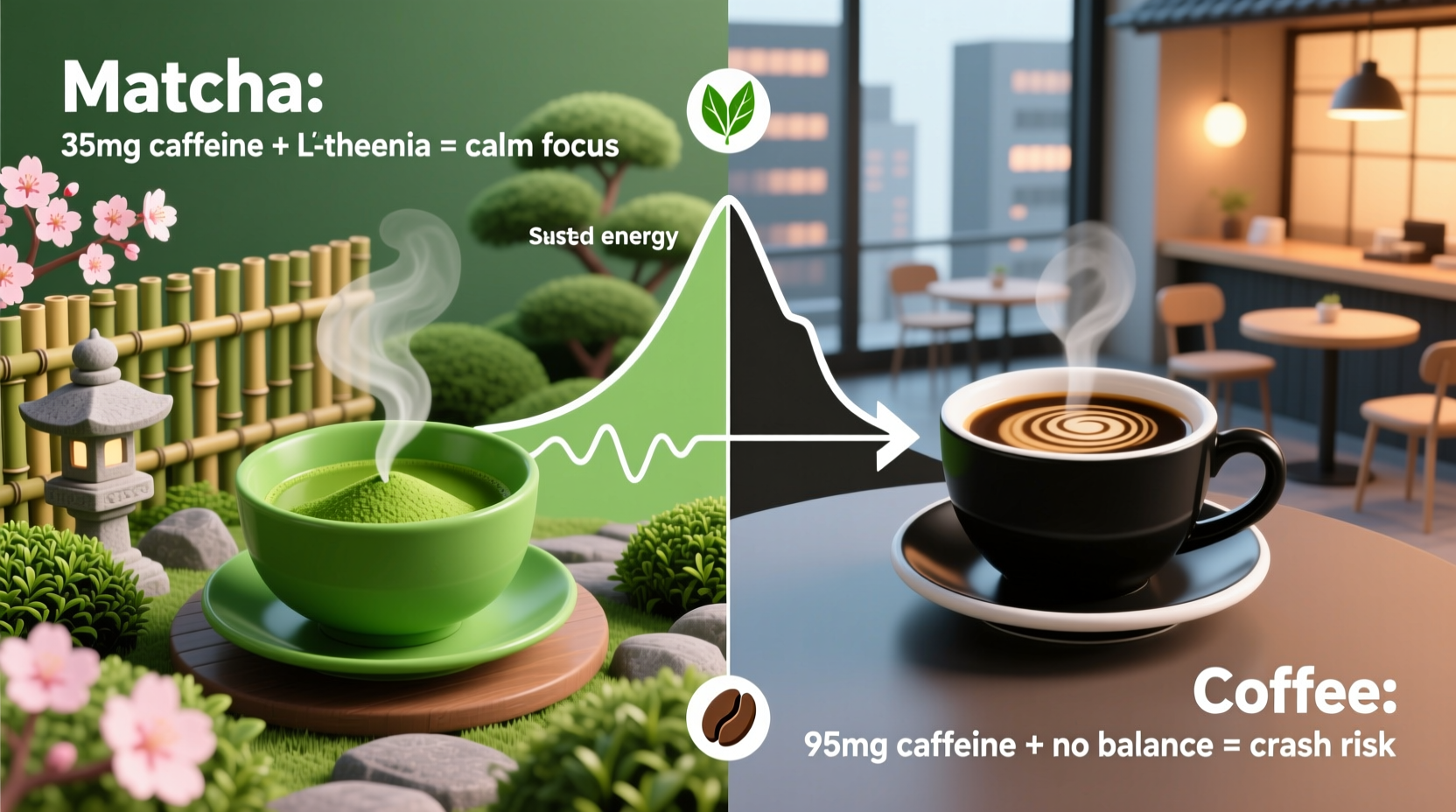
Caffeine affects everyone differently, but its impact is largely determined by speed of absorption and interaction with other compounds. In coffee, caffeine is rapidly absorbed into the bloodstream, typically peaking within 30 to 45 minutes. This sudden surge stimulates the central nervous system, increasing heart rate and adrenaline production. While this can feel invigorating initially, it often leads to overstimulation, followed by a sharp decline in energy—commonly known as the “crash.”
Matcha, on the other hand, delivers caffeine in a fundamentally different way. It contains not only caffeine but also L-theanine, a unique amino acid found almost exclusively in tea plants. L-theanine promotes relaxation without drowsiness by increasing alpha brain wave activity, which is associated with a state of calm alertness. When combined with caffeine, L-theanine modulates the stimulant effect, slowing the release of caffeine and preventing the abrupt highs and lows typical of coffee.
“L-theanine works synergistically with caffeine to enhance attention and reduce distractibility, offering a balanced cognitive boost.” — Dr. Karen Y. Wang, Neuropharmacology Researcher, University of California
Caffeine Content: Matcha vs. Coffee
One common misconception is that matcha contains less caffeine than coffee, making it weaker. While it's true that an average cup of brewed coffee (8 oz) contains about 95 mg of caffeine, a standard serving of matcha (about 1 gram in 8 oz water) contains roughly 70 mg. However, comparing these numbers alone misses the full picture. What matters more is bioavailability—the rate and extent to which caffeine reaches systemic circulation—and how other compounds influence its effects.
Because matcha is consumed as a whole leaf suspension (you drink the powdered tea, not just an infusion), you ingest all the beneficial phytonutrients, including catechins, chlorophyll, and fiber. These components slow digestion slightly, contributing to a gradual caffeine release over 3–6 hours. Coffee, especially when consumed black or with sugar, moves quickly through the digestive tract, leading to faster absorption and a steeper drop-off.
Comparison Table: Matcha vs. Coffee
| Factor | Matcha | Coffee |
|---|---|---|
| Average Caffeine (per 8 oz) | 60–70 mg | 95–200 mg |
| L-Theanine Content | High (~20 mg per serving) | Negligible |
| Energy Duration | 3–6 hours (steady) | 1–2 hours (sharp peak & crash) |
| Jitters/Anxiety Risk | Low | Moderate to High |
| Antioxidant Level (ORAC) | ~1384 units per gram | ~200–300 units per gram |
| Digestive Impact | Gentle, alkalizing | Acidic, may irritate stomach |
The Role of L-Theanine in Sustained Focus
L-theanine is the unsung hero behind matcha’s cognitive advantages. Found naturally in shaded tea plants—like those used for matcha production—it crosses the blood-brain barrier and influences neurotransmitters such as dopamine and GABA. These changes promote relaxation, reduce stress hormones like cortisol, and improve mood stability.
Studies have shown that the combination of L-theanine and caffeine enhances performance on tasks requiring attention, memory, and reaction time, while reducing mental fatigue. A 2012 study published in *Nutritional Neuroscience* found that participants who consumed both compounds reported greater alertness and reduced tiredness compared to those who took caffeine alone. This synergy creates what many describe as “zen-like focus”—a state of being fully engaged yet emotionally balanced.
Coffee lacks L-theanine entirely, leaving caffeine to act unopposed. Without this moderating influence, the brain experiences heightened arousal that can tip into anxiety, restlessness, or even insomnia—especially with multiple cups or consumption later in the day.
Real-Life Example: Sarah’s Transition from Coffee to Matcha
Sarah, a 34-year-old project manager in Seattle, relied on three cups of coffee daily to power through her workweek. By noon, she’d experience intense jitteriness; by 3 PM, she was exhausted, reaching for candy or another espresso. After reading about matcha’s benefits, she decided to switch gradually. She started with one cup of ceremonial-grade matcha in the morning, prepared traditionally with hot water and a bamboo whisk.
Within a week, Sarah noticed she wasn’t reaching for mid-morning snacks. Her afternoon meetings felt more productive, and she no longer needed a second wind from sugary treats. “I’m still alert at 5 PM,” she said. “And I actually sleep better now.” Over time, she reduced her coffee intake completely. “It wasn’t about giving something up,” she explained. “It was about upgrading to something that worked better for my body.”
Step-by-Step Guide to Switching from Coffee to Matcha
Making the transition doesn’t have to be abrupt. Here’s a practical timeline to help your body adapt while maximizing the benefits:
- Week 1: Replace One Coffee with Matcha
Start with your morning cup. Use ceremonial-grade matcha for best results. Prepare with 8 oz of water heated to 175°F (just below boiling) to avoid bitterness. - Week 2: Observe Energy Patterns
Track your energy levels, mood, and focus throughout the day. Note any reduction in jitters or cravings. - Week 3: Add a Second Serving (Optional)
If needed, introduce a second serving mid-morning. Avoid late afternoon to prevent sleep disruption. - Week 4: Evaluate and Adjust
Decide whether to continue replacing additional coffee servings. Many find one high-quality matcha sufficient. - Ongoing: Optimize Your Routine
Experiment with preparation methods—traditional whisked matcha, lattes with oat milk, or cold-brew styles—to keep it enjoyable.
Health Benefits Beyond Energy
While the absence of a caffeine crash is a major advantage, matcha offers broader wellness benefits that coffee simply can’t match. It is one of the most concentrated sources of antioxidants among natural foods, particularly epigallocatechin gallate (EGCG), which has been studied for its anti-inflammatory, neuroprotective, and metabolic-supporting properties.
- Detoxification: Chlorophyll in matcha supports natural detox pathways due to its ability to bind to heavy metals and toxins.
- Metabolic Boost: Some studies suggest matcha can increase fat oxidation during exercise by up to 17%, making it popular among fitness enthusiasts.
- Mood Support: The calming effect of L-theanine may reduce symptoms of anxiety and improve resilience to daily stressors.
- Dental Health: Catechins in matcha inhibit the growth of harmful oral bacteria, potentially reducing bad breath and cavities.
Coffee does offer some antioxidants, but its acidic nature can erode tooth enamel and aggravate gastrointestinal issues like acid reflux or IBS in sensitive individuals. Matcha, being naturally alkaline, is gentler on the digestive tract and may even support gut microbiome balance.
Frequently Asked Questions
Does matcha really not cause a crash?
For most people, yes. Because caffeine is released slowly and balanced by L-theanine, energy declines gradually rather than plummeting suddenly. Users often report feeling “grounded” after the effects wear off, not drained.
Can I drink matcha if I’m sensitive to caffeine?
Many caffeine-sensitive individuals tolerate matcha better than coffee due to its lower dose and modulated release. Start with half a serving (½ tsp) to assess tolerance. Avoid consuming after 2 PM if you’re prone to sleep disturbances.
Is all matcha the same?
No. Ceremonial-grade matcha is made from the youngest tea leaves, shade-grown for maximum L-theanine and chlorophyll. Culinary-grade is suitable for baking or smoothies but may lack the nuanced benefits. Always check for origin (preferably Japan) and organic certification to avoid contaminants like pesticides or heavy metals.
Checklist: Choosing and Using High-Quality Matcha
- ✅ Look for vibrant emerald-green color (dull green or yellow indicates aging)
- ✅ Choose \"ceremonial grade\" for drinking, \"culinary grade\" for cooking
- ✅ Check for origin: Uji, Nishio, or Kagoshima in Japan are premium regions
- ✅ Prefer organic and stone-ground varieties
- ✅ Store in an airtight container away from light and heat
- ✅ Use within 6–8 weeks of opening for peak freshness
- ✅ Avoid products with fillers, sweeteners, or artificial flavors
“The shift from reactive energy fixes to sustainable mental performance starts with what you consume. Matcha represents a mindful upgrade.” — Dr. Lena Torres, Integrative Nutrition Specialist
Conclusion: Make the Switch for Lasting Energy and Clarity
The choice between matcha and coffee isn’t just about taste or trend—it’s about how you want to feel throughout your day. Coffee offers a fast, forceful jolt that often ends in regret: headaches, hunger, and fatigue. Matcha provides a smoother, more intelligent form of stimulation—one that supports concentration, emotional equilibrium, and long-term health.
You don’t need to eliminate coffee entirely to benefit from matcha. But if you’re tired of the cycle of burnout and rebound fatigue, consider making matcha your primary morning ritual. With its unique blend of caffeine and L-theanine, rich antioxidant profile, and gentle impact on the body, it’s not just an alternative—it’s an evolution in how we fuel our lives.




 浙公网安备
33010002000092号
浙公网安备
33010002000092号 浙B2-20120091-4
Comments
No comments yet. Why don't you start the discussion?