
Matcha has surged in popularity over the past decade, gracing lattes, desserts, and wellness routines across the globe. Yet many consumers are taken aback by its price—sometimes costing more than $50 for a small tin. What makes this vibrant green powder so costly? And what separates the premium ceremonial grade from the more affordable culinary version? The answers lie in centuries-old farming traditions, meticulous processing methods, and distinct quality standards that define each grade.
Understanding the value behind matcha requires looking beyond the label. From shade-growing techniques to stone-grinding processes, every step impacts flavor, color, and price. This article breaks down the economic and agricultural reasons behind matcha’s premium cost and clarifies the real-world differences between ceremonial and culinary grades—so you can make informed choices without overspending or compromising quality.
The Labor-Intensive Journey of Matcha Production
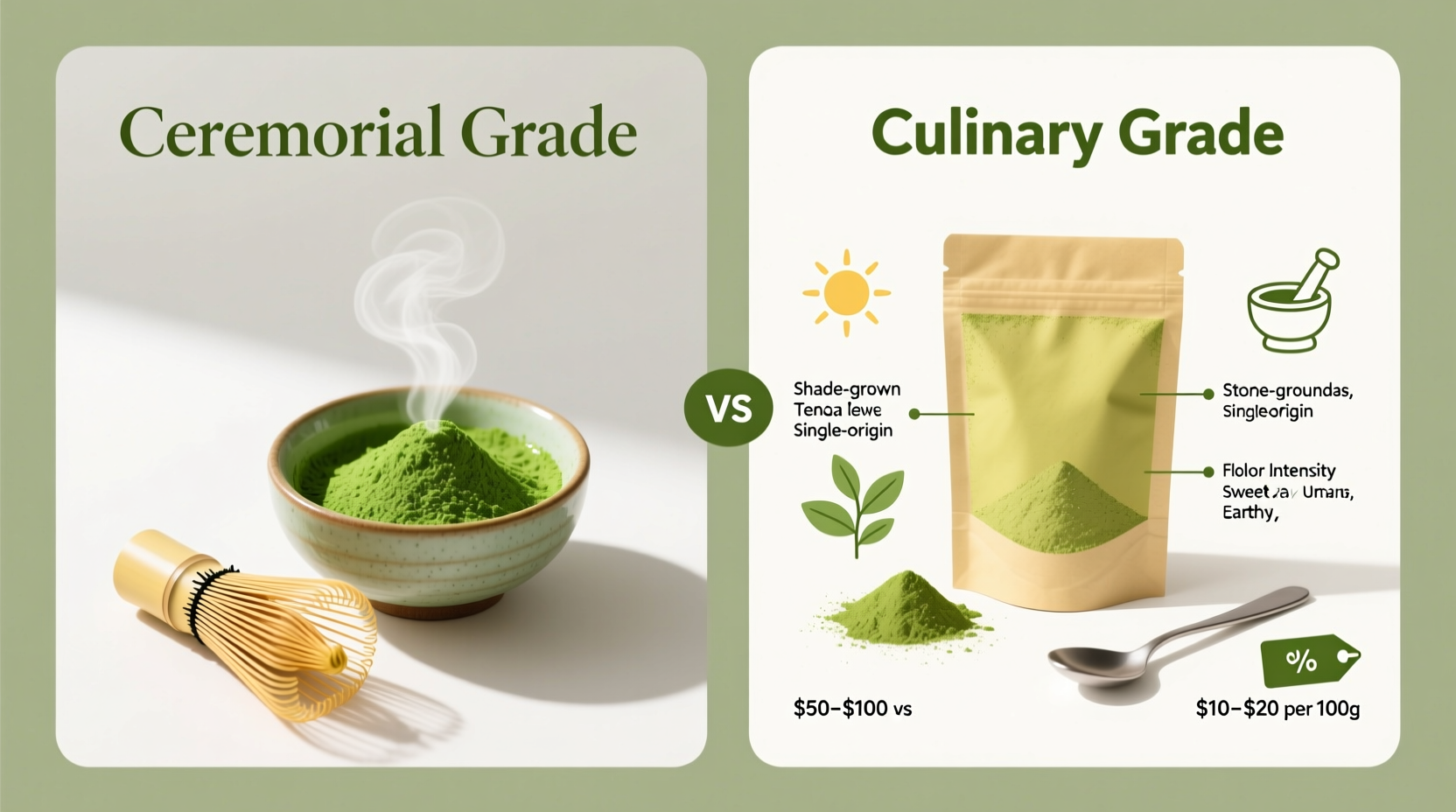
Matcha is not simply powdered green tea—it's the result of a highly specialized cultivation and production process unique to Japan, primarily in regions like Uji (Kyoto), Nishio, and Shizuoka. Unlike regular green teas, where leaves are steeped and discarded, matcha involves consuming the entire ground leaf, making purity, freshness, and growing conditions paramount.
The most critical phase begins about 20–30 days before harvest. Farmers cover tea plants with bamboo mats or black synthetic nets to block 70–90% of sunlight. This shade-growing technique slows photosynthesis, forcing the plant to produce more chlorophyll and amino acids—especially L-theanine, which contributes to matcha’s signature umami flavor and calming effects.
Shading also increases levels of theanine while reducing bitter catechins, resulting in a smoother, sweeter taste. However, this method significantly reduces yield and demands constant monitoring. After harvesting, only the youngest, tenderest leaves (called *tencha*) are hand-selected. Stems and veins are removed, leaving pure leaf material to be slowly stone-ground into fine powder.
The grinding process itself is painstaking—one mill produces only about 30–40 grams of matcha per hour. This slow pace prevents overheating, which could alter flavor and nutrient content. Mechanically crushed \"matcha-style\" powders are faster and cheaper but often lack the velvety texture and depth of true matcha.
Ceremonial Grade vs Culinary Grade: Key Differences
The distinction between ceremonial and culinary matcha isn’t just marketing—it reflects tangible differences in origin, processing, and intended use. While both come from the same plant (*Camellia sinensis*), their paths diverge early in production.
| Feature | Ceremonial Grade | Culinary Grade |
|---|---|---|
| Harvest Time | First flush (spring), youngest leaves | Second or third flush, mature leaves |
| Shade Duration | 20–30 days | 10–14 days or less |
| Leaf Selection | Only top buds and first leaves | Broad selection, including older leaves |
| Flavor Profile | Sweet, umami-rich, grassy, no bitterness | Bolder, slightly astringent, earthy |
| Color | Vibrant emerald green | Duller green, sometimes yellowish |
| Texture | Ultra-fine, silky | Coarser, may feel gritty |
| Best Use | Whisked with hot water (traditional tea) | Baking, smoothies, lattes |
| Price Range (per 30g) | $15–$40+ | $5–$12 |
Ceremonial grade is designed for mindfulness and ritual. It’s meant to be enjoyed straight, whisked with hot (not boiling) water using a bamboo chasen. Its delicate balance of sweetness and umami reflects peak terroir and craftsmanship. In contrast, culinary matcha is formulated to withstand heat, sugar, milk, and other strong flavors. It performs well in recipes but would taste harsh if consumed plain.
“Ceremonial matcha is like single-origin specialty coffee—meant to be appreciated on its own. Culinary matcha is more like a robust espresso blend built for mixing.” — Haruto Tanaka, Japanese Tea Master (Chado)
Why Is Matcha So Expensive? 5 Core Factors
The high cost of authentic matcha, especially ceremonial grade, stems from multiple interrelated factors:
- Limited Growing Regions: True matcha comes almost exclusively from Japan, where land suitable for high-quality tea is scarce. Strict agricultural practices limit scalability.
- Seasonal Harvests: Only the first spring harvest yields leaves suitable for ceremonial matcha. This narrow window creates supply constraints.
- Manual Labor: From shading to plucking and sorting, much of the process remains hands-on. Automation risks damaging delicate leaves.
- Stone Grinding: Granite mills wear down over time and must be replaced regularly. The low output rate increases labor and equipment costs.
- Import & Freshness Logistics: Matcha degrades quickly when exposed to light, heat, and air. Maintaining freshness from farm to consumer requires cold-chain shipping and opaque packaging, adding to overhead.
Additionally, rising global demand has outpaced supply. As Western cafes adopt matcha lattes, producers face pressure to scale—but cannot compromise traditional methods without sacrificing quality. This imbalance drives prices upward, particularly for authentic, imported Japanese matcha.
Real Example: A Café Owner’s Experience
Sophie Chen, owner of a specialty tea house in Portland, initially used culinary-grade matcha for all drinks to cut costs. After receiving repeated customer feedback about bitterness and lack of aroma, she invested in a small batch of ceremonial-grade matcha from Uji.
She began offering a traditional preparation as a tasting option. Despite charging $8 per serving—double her previous price—the ceremonial matcha became a bestseller. Customers described it as “smooth,” “calming,” and “almost sweet.” Encouraged, Sophie introduced a tiered menu: ceremonial for sipping, culinary for blended drinks.
Her profit margins improved because customers perceived higher value, and waste decreased—she needed less powder per serving due to superior solubility and flavor intensity. “The upfront cost was scary,” she admits, “but once people tasted the difference, they were willing to pay.”
How to Choose the Right Matcha for Your Needs
Not everyone needs ceremonial-grade matcha. Your choice should align with how you plan to use it. Follow this checklist to make a smart decision:
- ✅ For drinking straight: Always choose ceremonial grade. Look for bright green color, fine texture, and terms like “first harvest” or “shaded 30 days.”
- ✅ For lattes and smoothies: Culinary grade is sufficient. Opt for brands specifying “blendable” or “high solubility.”
- ✅ For baking: Use culinary matcha with bold flavor. Avoid ultra-premium grades—they lose nuance when heated.
- ❌ Avoid “matcha-flavored” products: These often contain fillers, sweeteners, or artificial colors. Check ingredients: pure matcha should list only one item—green tea powder.
- ❌ Don’t buy bulk from unknown sources: Low-priced matcha on general marketplaces may be adulterated or expired. Stick to reputable vendors with transparent sourcing.
“Freshness is everything. Even the best matcha turns stale and yellow within 3–4 months if not stored properly.” — Mari Sato, Tea Sommelier at Kyoto Cha-no-yu Center
Frequently Asked Questions
Is expensive matcha worth it?
Yes—if you're drinking it traditionally. High-end ceremonial matcha offers a complex, smooth experience unmatched by lower grades. For cooking or blending, however, premium matcha won’t provide noticeable benefits and may be a poor investment.
Can I use culinary matcha for tea ceremonies?
Technically yes, but it’s not ideal. Culinary matcha tends to be more astringent and lacks the aromatic depth expected in formal settings. Traditional practitioners prioritize ceremonial grade for authenticity and sensory harmony.
Why is some matcha bright green while others look dull?
Bright green indicates high chlorophyll from proper shading and freshness. Dull or yellowish hues suggest older leaves, poor storage, or exposure to light and oxygen. Vibrant color is a reliable indicator of quality.
Final Thoughts: Making Informed Matcha Choices
Matcha’s price reflects its heritage, craftsmanship, and biological complexity. Ceremonial grade commands a premium because it represents the pinnacle of tea artistry—grown under strict conditions, harvested with care, and processed with reverence. Culinary grade, while more accessible, serves a different purpose and shouldn’t be judged by the same standards.
The key is intention. Are you seeking a meditative tea experience or a flavorful ingredient? Answering that question helps determine which grade—and price point—is right for you. By understanding the journey from shaded field to powdered form, consumers can appreciate why matcha costs what it does and avoid being misled by imitations.




 浙公网安备
33010002000092号
浙公网安备
33010002000092号 浙B2-20120091-4
Comments
No comments yet. Why don't you start the discussion?