
Matcha has become a global phenomenon — found in lattes, smoothies, desserts, and even skincare. Yet for many consumers, one question remains: why does such a small amount of green powder come with such a high price tag? The answer lies not in marketing, but in tradition, labor, and precision. From shaded tea fields in Japan to stone-grinding ceremonies that take hours, every step in matcha’s journey contributes to its cost. Understanding these factors reveals not just why matcha is expensive, but how to identify which grades are worth the investment.
The Origins of Matcha: A Tradition of Precision
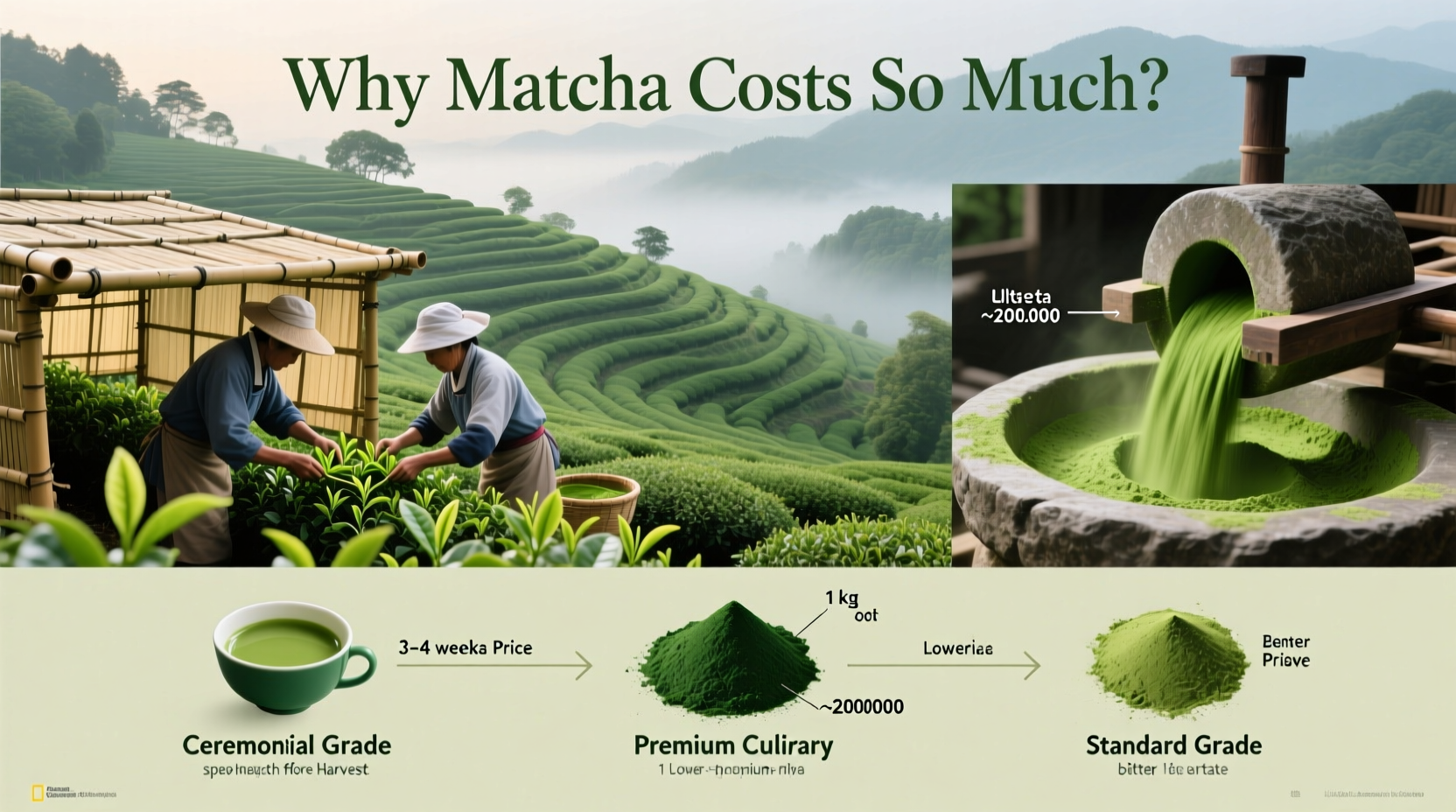
Matcha’s roots trace back over 800 years to Zen Buddhist monasteries in Japan, where monks used the powdered tea in meditation rituals to maintain alert calmness. Unlike other teas, matcha isn’t steeped — it’s consumed in its entirety, meaning quality directly impacts both flavor and health benefits. This full-consumption method demands exceptional purity and consistency, setting the foundation for its elevated status.
The most prized matcha comes from regions like Uji (Kyoto), Nishio (Aichi), and Shizuoka, where climate, soil composition, and generations of expertise converge. These areas have perfected the cultivation techniques necessary to produce vibrant, umami-rich leaves ideal for grinding into fine powder.
“Matcha is not just a beverage — it’s an embodiment of Japanese craftsmanship. Every gram reflects months of careful planning and human effort.” — Haruto Tanaka, Tea Master at Uji Chaen
Why Shade-Growing Makes All the Difference
One of the most critical — and costly — steps in producing high-grade matcha is the shading process. Approximately 20 to 30 days before harvest, tea farmers cover their Camellia sinensis plants with bamboo mats or black synthetic nets, blocking 70–90% of sunlight.
This deliberate reduction in light triggers a physiological response in the tea plant: chlorophyll production increases dramatically, giving the leaves their deep emerald color. At the same time, theanine — an amino acid responsible for umami and calming effects — accumulates, while catechins (which contribute bitterness) are suppressed.
Shading requires significant infrastructure and labor. Nets must be installed and monitored daily, and any misstep can expose plants to too much sun, compromising flavor and color. The result? A richer, smoother, more aromatic leaf — but also higher production costs.
Harvesting and Processing: Labor-Intensive Excellence
Only the youngest, most tender leaves from the top of the tea plant are selected for premium matcha. Harvesting typically occurs once a year during spring (first flush), when nutrient density and flavor are at their peak. Workers hand-pick these leaves or use precision machinery designed to minimize damage.
After harvesting, the leaves undergo a rapid steaming process to halt oxidation — similar to sencha production — preserving color and nutrients. Then they’re cooled and dried. What happens next separates ceremonial-grade matcha from the rest: the removal of stems and veins.
The dried leaves, now called *tencha*, are meticulously sorted. Stems and coarse veins are stripped away because they add astringency and disrupt the smooth texture essential to true matcha. This step alone can reduce the final yield by up to 50%, significantly increasing cost per gram.
Stone Grinding: The Final Step That Defines Quality
The tencha leaves are slowly ground into powder using granite stone mills. Each mill rotates at just 30–40 revolutions per minute to prevent heat buildup, which could degrade flavor and aroma. On average, a single mill produces only about 30–40 grams of matcha per hour.
Because of this painstakingly slow process, large-scale production is nearly impossible without sacrificing authenticity. Many commercial brands bypass real stone grinding altogether, opting instead for steel ball grinders that generate heat and produce inconsistent particle sizes — resulting in duller flavor and poor solubility.
Premium matcha contains particles between 5 and 10 microns in size — finer than flour — allowing it to remain suspended in liquid rather than settling. This micro-fineness contributes to its signature creamy mouthfeel and vivid appearance.
Understanding Matcha Grades: Not All Green Powder Is Equal
One reason confusion persists around pricing is the lack of standardized grading outside Japan. However, within the industry, three primary tiers exist — each with distinct uses, flavors, and price points.
| Grade | Flavor Profile | Best Use | Average Price (per 30g) |
|---|---|---|---|
| Ceremonial Grade | Bright, sweet, umami-rich with minimal bitterness | Whisked with hot water (traditional preparation) | $15–$30+ |
| Latte Grade / Premium Culinary | Balanced, slightly vegetal, mild sweetness | Lattes, smoothies, yogurt bowls | $8–$15 |
| Commercial Culinary Grade | Strong, bitter, grassy notes | Baking, ice cream, mass-market products | $3–$8 |
Ceremonial grade is made from the earliest-harvested leaves, shaded longest, and ground exclusively with stone mills. It should dissolve easily in water and leave no grittiness. Latte-grade matcha maintains good flavor but may include slightly older leaves or faster processing methods. Commercial culinary grades often use later harvests, less shading, and mechanical grinding — making them suitable for masking in sugary recipes but unsuitable for drinking straight.
Real Example: A Café Owner Learns the Hard Way
When Sarah opened her plant-based café in Portland, she wanted to offer authentic matcha lattes. To cut costs, she sourced a bright-green powder from an online wholesaler at $5 per 100g. Within weeks, customers complained of chalky texture and bitter aftertaste. One regular noted, “It tastes like lawn clippings.”
She switched to a certified ceremonial-grade matcha from Uji, paying $25 for 30g. Her cost per serving tripled — but customer satisfaction soared. Repeat orders increased by 40%, and she began offering matcha tasting flights as a premium experience. “I learned that cheap matcha isn’t saving money — it’s losing trust,” she said.
Her story illustrates a broader truth: low-cost matcha often cuts corners in farming, processing, or storage, leading to inferior sensory experiences. Consumers pay not just for taste, but for transparency and integrity.
Storage and Freshness: Protecting Your Investment
Even the finest matcha degrades quickly if mishandled. Exposure to light, air, heat, and moisture causes oxidation, diminishing color, aroma, and nutritional value. Within six weeks of opening, unprotected matcha can lose up to 60% of its catechin content.
To preserve freshness:
- Store unopened matcha in the freezer until use
- Transfer opened matcha to an airtight container
- Keep away from direct light and strong odors
- Use within 4–8 weeks after opening
Step-by-Step Guide to Evaluating Matcha Quality
Not all expensive matcha is good, and some mid-range options deliver excellent value. Use this checklist to assess quality objectively:
- Check the origin: Authentic matcha comes from Japan. Labels like “Product of China” or “Blended in USA” often indicate lower-tier or adulterated powders.
- Observe the color: High-quality matcha is a vivid jade green. Dull, yellowish, or brownish hues suggest age or poor processing.
- Smell the aroma: Fresh matcha has a sweet, grassy, almost floral scent. Musty, stale, or fishy odors indicate degradation.
- Test solubility: When whisked with hot water, premium matcha disperses evenly without clumping. Grittiness means poor milling or added fillers.
- Taste it plain: Ceremonial-grade should be smooth, slightly sweet, and savory — not harsh or astringent.
Frequently Asked Questions
Is expensive matcha worth it?
For traditional preparation or daily wellness use, yes. High-quality matcha offers superior flavor, better bioavailability of antioxidants like EGCG, and a more enjoyable ritual. For baking in large batches, culinary-grade may suffice — but avoid the cheapest powders, which may contain fillers or contaminants.
Can I use culinary matcha for drinking?
You can, but it won’t deliver the same experience. Culinary-grade matcha is formulated to hold up against milk, sugar, and heat — not to shine on its own. Drinking it straight often reveals bitterness and flatness compared to ceremonial grades.
Why is some matcha neon green?
Naturally vibrant green is normal — but unnaturally bright or electric green can signal additives like food coloring or malachite (a toxic copper-based pigment, though rare). Stick to reputable suppliers and avoid prices that seem too good to be true.
How to Spot Marketing Hype vs. Real Value
The rise in matcha’s popularity has led to inflated claims: “energy without jitters,” “137x the antioxidants of regular green tea,” “detox powerhouse.” While matcha does contain L-theanine and caffeine (providing calm focus), and is rich in polyphenols, not all brands deliver on these promises equally.
Look beyond buzzwords. Seek transparency: farms named, harvest dates listed, third-party lab testing for heavy metals and pesticides. Certifications like USDA Organic or JAS (Japanese Agricultural Standard) add credibility.
Also beware of “matcha blends” — many products mix real matcha with cheaper green tea powder, spirulina, or barley grass to enhance color. If the ingredient list includes anything beyond *green tea powder (matcha)*, it’s not pure.
Conclusion: Respecting the Craft Behind the Cup
The price of matcha isn’t arbitrary — it reflects centuries of refinement, seasonal timing, manual labor, and exacting standards. From shaded fields to stone mills turning slowly through the night, every stage adds value. When you invest in high-grade matcha, you’re not just buying a product — you’re participating in a living tradition.
That doesn’t mean every cup must be ceremonial-grade. But knowing the difference empowers smarter choices: when to splurge, when to save, and how to enjoy matcha in a way that honors its origins. Whether sipped in silence or blended into a morning smoothie, let your matcha be a moment of intention — not just consumption.




 浙公网安备
33010002000092号
浙公网安备
33010002000092号 浙B2-20120091-4
Comments
No comments yet. Why don't you start the discussion?