
Menopause is a natural biological phase marking the end of a woman’s reproductive years, typically occurring between the ages of 45 and 55. Despite its universality, many women find this transition unexpectedly difficult. The journey through perimenopause, menopause, and postmenopause often brings profound changes—physically, emotionally, and socially—that can disrupt daily life, relationships, and self-perception. Understanding why menopause is so hard requires more than acknowledging hot flashes or irregular periods; it demands recognition of the complex interplay between biology, psychology, and cultural context.
The Physical Toll: More Than Just Hot Flashes
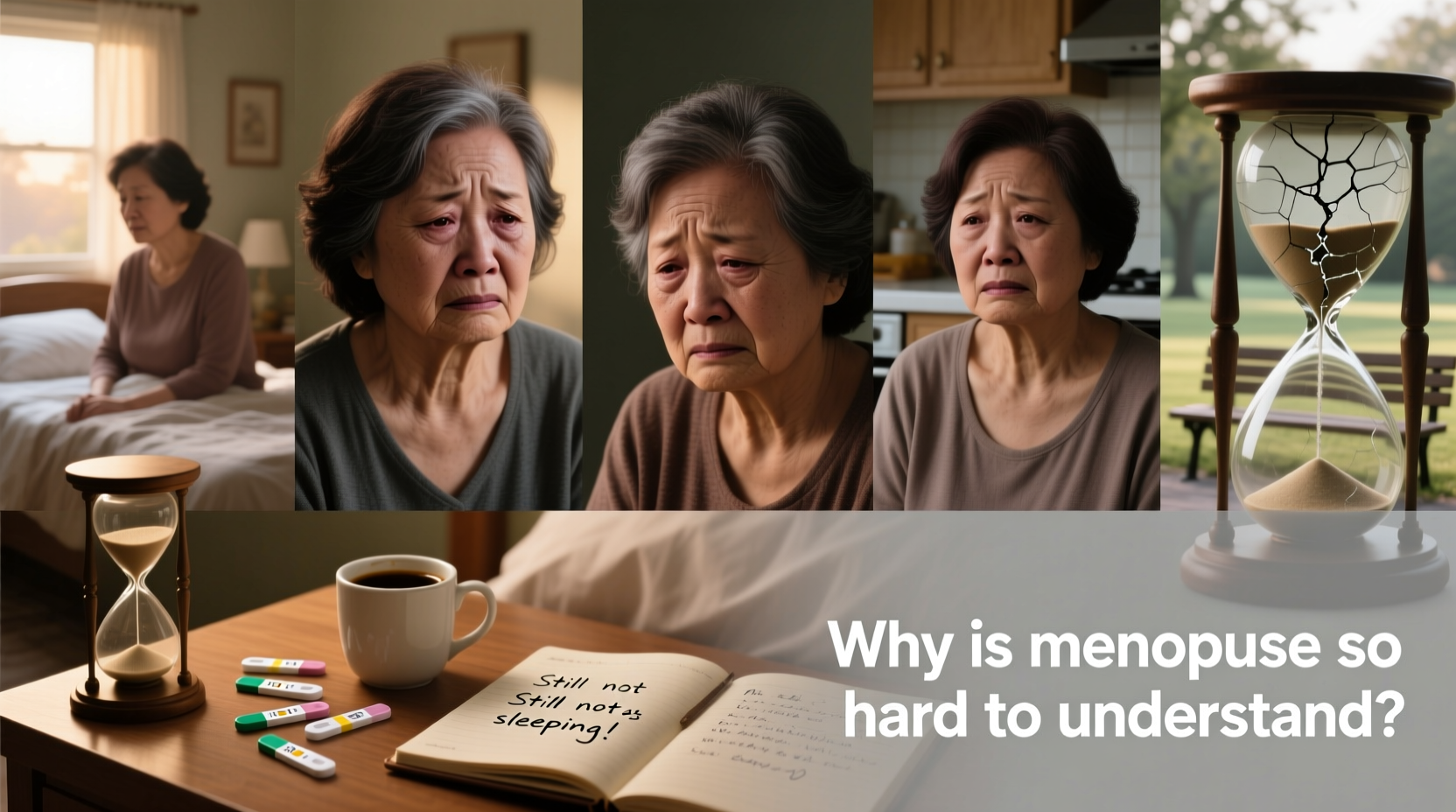
While hot flashes are the most commonly recognized symptom, they represent just one facet of a much broader spectrum of physical changes. As estrogen levels decline, nearly every system in the body can be affected. Common physical symptoms include night sweats, sleep disturbances, joint pain, weight gain (particularly around the abdomen), vaginal dryness, urinary issues, and decreased bone density.
Sleep disruption, often caused by night sweats or anxiety, can lead to chronic fatigue, which amplifies other symptoms. Poor sleep affects cognitive function, making concentration and memory more difficult—a phenomenon often referred to as “brain fog.” This can be especially challenging for women balancing careers, caregiving, and personal responsibilities.
Hormonal Shifts and Long-Term Health Risks
Beyond immediate discomfort, declining estrogen increases the risk of long-term health conditions. These include osteoporosis due to reduced bone mineral density and cardiovascular disease, as estrogen plays a protective role in heart health. Many women are unaware that their changing hormone levels elevate these risks, leading to delayed preventive care.
Emotional and Mental Health Challenges
The psychological impact of menopause is frequently underestimated. Mood swings, irritability, anxiety, and depression are common, often exacerbated by hormonal fluctuations, disrupted sleep, and life stressors such as aging parents, empty nesting, or career transitions.
For some, the emotional toll stems from a deeper sense of loss—not just of fertility, but of youth, identity, and societal visibility. In cultures that equate female value with fertility and appearance, reaching menopause can feel like fading into invisibility. This internalized stigma contributes to feelings of isolation and low self-worth.
“Many of my patients describe feeling like they’re grieving—not just their ability to have children, but a chapter of life that defined them. Menopause isn’t just a medical event; it’s an existential shift.” — Dr. Lena Patel, Clinical Psychologist specializing in midlife women’s health
The Cognitive Dimension: Brain Fog and Memory Lapses
Difficulty recalling words, forgetting appointments, or struggling to multitask—often dismissed as normal aging—are actually linked to hormonal changes during perimenopause. Estrogen influences neurotransmitters like serotonin and dopamine, which regulate mood and cognition. When levels fluctuate, mental clarity suffers.
This cognitive disruption can undermine confidence, particularly in professional settings where performance expectations remain high. Women may hesitate to speak up in meetings or take on new projects, fearing they’ll appear less competent.
Societal Silence and Misinformation
One reason menopause feels so hard is the persistent silence surrounding it. Unlike puberty or pregnancy, menopause is rarely discussed openly. Many women report feeling blindsided when symptoms begin, having received little education about what to expect.
Cultural taboos contribute to this silence. In workplaces, discussing menopause symptoms can be seen as unprofessional. In families, younger generations may not understand what older women are experiencing. This lack of dialogue fosters shame and prevents access to support.
Misinformation further complicates matters. Myths such as “menopause means the end of vitality” or “you should just accept it” discourage proactive management. As a result, many suffer in silence rather than seek help.
A Real-Life Perspective: Maria’s Story
Maria, a 51-year-old project manager, began experiencing irregular periods and sudden waves of heat at work. At first, she assumed she was coming down with a virus. When symptoms persisted—along with insomnia and difficulty focusing—she visited her doctor. After blood tests confirmed perimenopause, Maria felt relief at having answers but frustration at the lack of guidance.
Her employer didn’t offer flexible hours, and she felt uncomfortable telling colleagues why she needed breaks during meetings. She started skipping social events because night sweats made her anxious about body odor. It wasn’t until she joined an online menopause support group that she realized she wasn’t alone—and that treatment options existed.
With her doctor’s help, Maria began low-dose hormone therapy and incorporated regular yoga and mindfulness into her routine. Her energy improved, and she advocated for remote work options during severe symptom days. “I wish I hadn’t waited months to get help,” she says. “This phase doesn’t have to mean suffering.”
Medical System Gaps and Access to Care
Even when women seek help, access to knowledgeable care providers remains inconsistent. Not all gynecologists or primary care physicians receive adequate training in menopause management. Some dismiss symptoms as “just part of getting older,” while others hesitate to prescribe hormone replacement therapy (HRT) due to outdated fears stemming from the controversial 2002 Women’s Health Initiative study.
In reality, modern HRT formulations are safer and more tailored than those studied two decades ago. For many women, especially those under 60 or within 10 years of menopause onset, the benefits outweigh the risks. Yet misinformation persists among both patients and clinicians.
| Symptom | Potential Treatment | Considerations |
|---|---|---|
| Hot flashes & night sweats | HRT, SSRIs, lifestyle adjustments | HRT most effective; non-hormonal options available |
| Vaginal dryness | Topical estrogen, lubricants | Local treatments minimize systemic exposure |
| Sleep disruption | Cognitive behavioral therapy, melatonin, sleep hygiene | Address underlying causes like anxiety or apnea |
| Mood changes | Therapy, medication, exercise | Rule out thyroid dysfunction or vitamin deficiencies |
Actionable Steps Toward Better Management
While menopause cannot be avoided, its impact can be significantly reduced with informed strategies. Here is a checklist to help women navigate this phase with greater control and confidence:
- Track symptoms: Use a journal or app to identify patterns and triggers.
- Consult a specialist: Seek a menopause-certified practitioner if your doctor lacks expertise.
- Optimize nutrition: Focus on calcium, vitamin D, phytoestrogens (like soy), and omega-3s.
- Exercise regularly: Strength training combats muscle loss and supports bone health.
- Explore treatment options: Discuss HRT, bioidentical hormones, or non-hormonal medications.
- Build support: Join groups, talk to friends, or see a therapist to process emotional shifts.
- Advocate at work: Request accommodations like flexible hours or cooler environments if needed.
When to Seek Help
While menopause is a normal life stage, severe symptoms that interfere with daily functioning warrant medical attention. Don’t hesitate to seek help if you experience:
- Persistent depression or anxiety
- Severe insomnia affecting work or relationships
- Heavy or irregular bleeding after age 55
- Significant memory decline or confusion
- Painful intercourse despite lubrication
Frequently Asked Questions
Can menopause start in your 30s or 40s?
Yes. Premature menopause occurs before age 40, often due to genetics, autoimmune conditions, or medical treatments like chemotherapy. Early menopause (ages 40–45) is also possible and may require hormone therapy to protect bone and heart health.
Is hormone replacement therapy safe?
For most healthy women under 60 or within 10 years of menopause onset, HRT is considered safe and effective. Risks vary by individual health history, so a personalized assessment with a healthcare provider is essential.
Will I gain weight during menopause?
Metabolism slows with age and declining estrogen, increasing abdominal fat storage. However, weight gain is not inevitable. Regular strength training, balanced nutrition, and stress management can help maintain a healthy weight.
Taking Back Control
Menopause doesn’t have to be a period of decline. With better understanding, open conversation, and proactive care, it can become a transformative phase—an opportunity to prioritize health, redefine priorities, and embrace a new stage of empowerment. The challenge lies not in the biology itself, but in the lack of preparation, support, and societal acknowledgment.




 浙公网安备
33010002000092号
浙公网安备
33010002000092号 浙B2-20120091-4
Comments
No comments yet. Why don't you start the discussion?