
Water pooling around your air conditioner isn’t just a nuisance—it’s a sign that something in the system isn’t working as it should. While some level of condensation is normal during operation, visible leaks inside or outside the unit point to underlying issues that need attention. Left unchecked, a leaking AC can lead to water damage, mold growth, reduced efficiency, and even complete system failure. The good news? Many causes of AC water leaks are simple to diagnose and fix—some in under 30 minutes.
Understanding the root causes and knowing which fixes you can handle yourself versus when to call a professional is essential for maintaining both comfort and safety in your home.
How Air Conditioners Produce Condensation (And Why Leaks Happen)
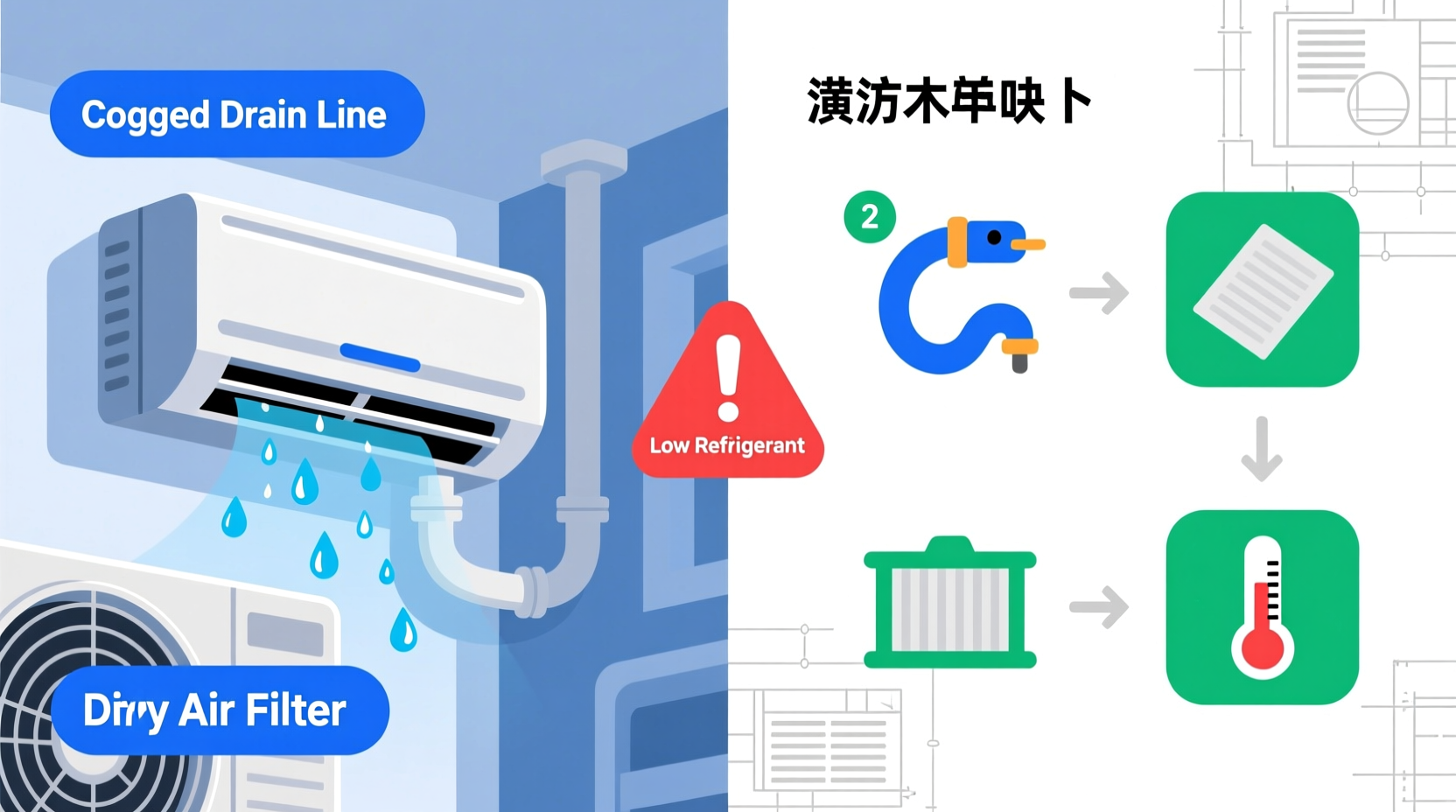
Air conditioners work by removing heat and humidity from indoor air. As warm air passes over the cold evaporator coils, moisture in the air condenses—just like dew forms on a cold drink. This condensation drips into a drain pan and flows out through a connected PVC pipe, typically leading outdoors or to a floor drain.
This process is entirely normal. Problems arise when the drainage system becomes compromised or components fail. When water can’t exit properly, it backs up and spills over, creating leaks. These leaks may appear near the indoor unit (often in a closet, basement, or attic), drip from ceiling vents in ducted systems, or pool beneath window units.
“Condensate management is one of the most overlooked aspects of AC maintenance. A clogged drain line is responsible for over 60% of indoor leaks we see.” — Mark Reynolds, HVAC Technician with 15+ years of field experience
Top 5 Causes of AC Water Leaks
Not all leaks stem from the same issue. Identifying the cause determines whether you’re dealing with a DIY fix or a job for a licensed technician.
1. Clogged Condensate Drain Line
The most common culprit. Over time, algae, mold, dirt, and debris accumulate in the drain line, blocking water flow. When the line is obstructed, water backs up into the drain pan and eventually overflows.
2. Dirty or Iced-Up Evaporator Coils
When evaporator coils become coated in dust and grime, airflow is restricted. This causes the coils to get too cold and freeze over. Once the ice melts—often due to the system cycling off—the excess water overwhelms the drain pan, leading to leaks.
Dirty filters accelerate this problem. A filter that hasn’t been changed in months drastically reduces airflow, increasing the risk of freezing.
3. Disconnected or Damaged Drain Pan
Some older AC units have rust-prone drain pans. Corrosion can create holes, allowing water to seep through. In other cases, the pan may be misaligned or disconnected from the drain line entirely.
Window units often have built-in pans that tilt slightly to encourage drainage. If the unit isn’t installed level, water won’t flow correctly and may leak indoors.
4. Cracked or Misaligned Condensate Pump
In basements or high-efficiency systems without gravity drainage, a condensate pump is used to push water upward and out. If the pump fails, cracks, or loses power, water accumulates and spills over.
Check if the pump is running and listen for humming. If it’s silent or sputtering, it may need replacement.
5. Low Refrigerant Levels
Refrigerant absorbs heat from indoor air. If levels are low due to a leak, the evaporator coil temperature drops below freezing. Ice builds up, then melts and floods the system.
This is not a DIY fix. Handling refrigerant requires EPA certification and specialized tools. Call a licensed HVAC technician immediately if you suspect low refrigerant.
Quick Fixes You Can Try Today
Before calling a professional, try these practical steps to stop or prevent minor leaks.
Step-by-Step: Unclogging a Condensate Drain Line
- Turn off the AC at the thermostat and circuit breaker for safety.
- Locate the drain line—usually a white PVC pipe near the indoor unit.
- Remove the cap or access plug from the drain line cleanout port.
- Use a wet/dry vacuum to suction out blockages. Seal the nozzle tightly over the pipe opening and run for 30 seconds.
- Flush the line with 1/2 cup of distilled vinegar or bleach solution to kill algae. Let sit for 30 minutes, then flush with clean water.
- Restore power and test the system.
Replacing or Cleaning the Air Filter
A dirty air filter restricts airflow, contributing to coil freezing. Replace disposable filters every 1–3 months. For reusable filters, wash with mild soap and let dry completely before reinstalling.
Checking Unit Level (For Window Units)
Use a small level tool on top of the unit. It should tilt slightly outward (about 1/4 inch) to allow proper drainage. Adjust the mounting bracket if needed.
Troubleshooting Checklist
- ✅ Turn off the AC and inspect for standing water.
- ✅ Check and replace the air filter if dirty.
- ✅ Inspect evaporator coils for frost or ice (if visible).
- ✅ Locate the condensate drain line and clear any clogs using a vacuum or brush.
- ✅ Verify the drain pan is intact and properly positioned.
- ✅ Ensure the condensate pump (if present) is operational.
- ✅ Confirm the outdoor unit is draining properly and no backups exist.
- ✅ Test the system after completing fixes.
When to Call a Professional
While many issues can be resolved independently, certain problems require expert intervention:
- Low refrigerant: Signs include hissing noises, poor cooling, and frequent freezing. Only certified technicians can recharge refrigerant safely and legally.
- Persistent clogs: If the drain line repeatedly blocks, there may be structural issues like sagging pipes or improper slope.
- Mold contamination: Musty odors or visible mold in the ductwork or drain pan require professional cleaning and biocide treatment.
- Electrical faults: Tripped breakers, burning smells, or malfunctioning pumps indicate deeper electrical concerns.
Preventive Maintenance Table
| Maintenance Task | Frequency | DIY Possible? | Notes |
|---|---|---|---|
| Replace air filter | Every 1–3 months | Yes | Use correct size and MERV rating |
| Flush condensate line | Every 3–6 months | Yes | Vinegar helps prevent algae |
| Inspect evaporator coils | Annually | Limited | May require professional cleaning |
| Check refrigerant levels | Every 2–3 years | No | Requires licensed HVAC tech |
| Test condensate pump | Annually | Yes | Pour water into basin to verify operation |
Real Example: A Homeowner’s Leak Crisis Averted
Sarah from Austin noticed water dripping from her ceiling vent during a summer heatwave. She turned off the system and found the air handler in the attic surrounded by moisture. After checking online, she inspected the filter—caked with dust—and replaced it. She then used a shop vac to clear the drain line, pulling out a thick sludge of algae. After flushing with vinegar, she restored power. The AC ran smoothly with no further leaks. By acting quickly, she avoided $1,500 in potential water damage repairs and extended her system’s life.
Frequently Asked Questions
Is a leaking AC dangerous?
While not immediately hazardous, prolonged leaks can cause electrical hazards, mold growth, and structural damage. Turn off the unit and address the issue promptly.
Can I use bleach to clean the drain line?
Yes, a diluted bleach solution (1 part bleach to 16 parts water) effectively kills algae and mold. However, flush thoroughly with water afterward to prevent corrosion.
Why does my AC only leak when it’s hot outside?
Higher temperatures increase humidity and AC runtime, producing more condensation. If the drainage system is marginal, it may only fail under heavy load.
Conclusion: Act Fast, Prevent Damage
A leaking AC unit is more than an inconvenience—it’s a warning sign. Most leaks stem from preventable issues like clogged lines or dirty filters. By understanding how your system works and performing routine checks, you can catch problems early and avoid costly repairs.
Don’t wait until puddles form or your cooling fails. Implement a simple maintenance schedule, stay alert to changes in performance, and know when to bring in a professional. Your comfort, energy bills, and home’s safety depend on it.




 浙公网安备
33010002000092号
浙公网安备
33010002000092号 浙B2-20120091-4
Comments
No comments yet. Why don't you start the discussion?