
Air fryers have become kitchen staples for their speed, convenience, and ability to deliver crispy meals with less oil. But when smoke starts billowing from your appliance, it’s more than just a nuisance—it can be dangerous. Smoke not only sets off alarms and fills your home with an unpleasant odor, but it also signals potential fire risks. Understanding why your air fryer is smoking—and how to fix it quickly—is essential for both safety and performance.
Smoke typically results from food residue, excess oil, or improper use. While occasional light smoke during high-heat cooking may be normal, persistent or thick smoke is a red flag. This guide breaks down the most common causes, provides actionable fixes, and offers preventative strategies to keep your air frying experience safe and efficient.
Common Causes of Air Fryer Smoking
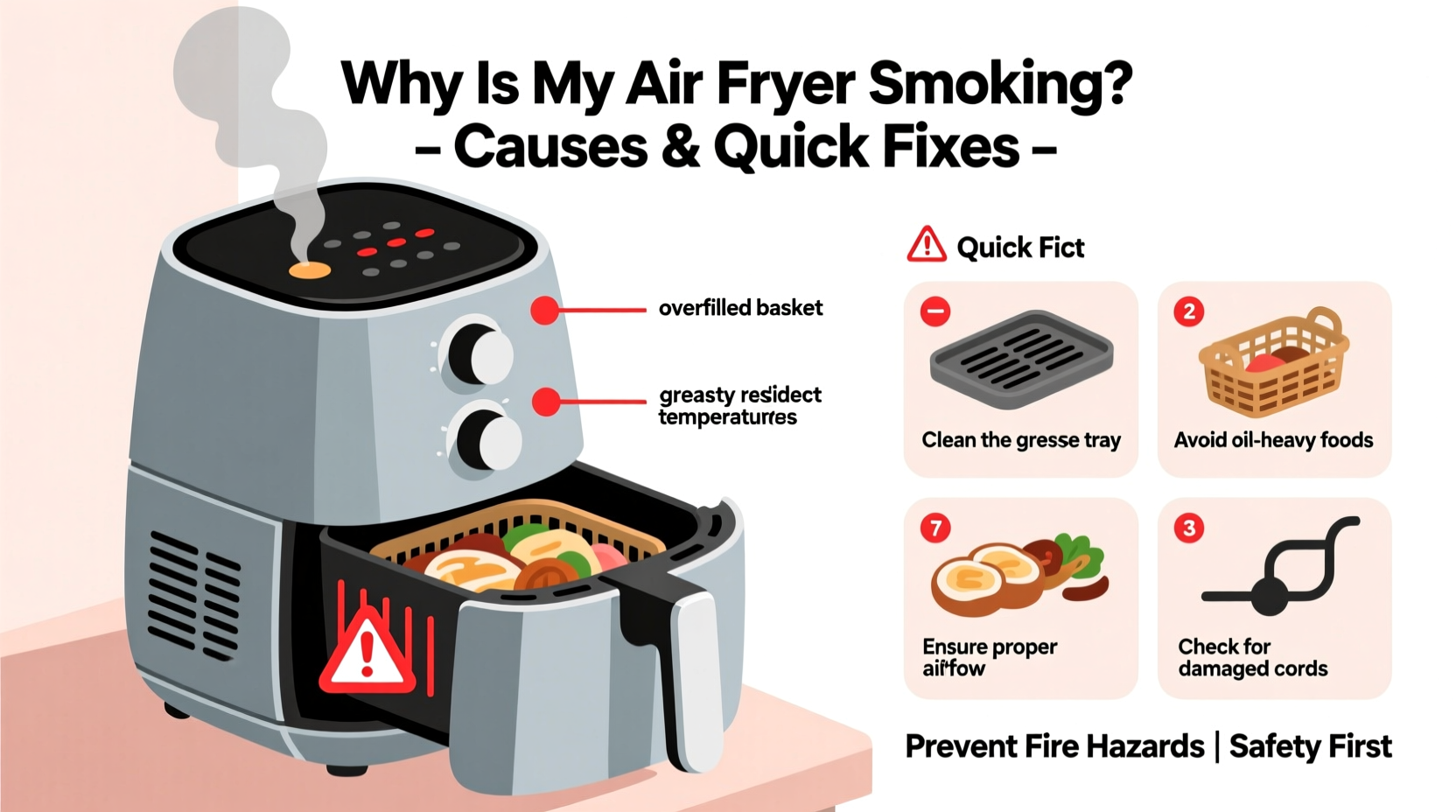
Smoke from an air fryer isn’t random. It usually stems from specific issues related to food preparation, maintenance, or operational errors. Identifying the root cause is the first step toward resolution.
- Excess oil or grease: Using too much oil—especially with already fatty foods like bacon or sausages—can cause splattering and smoking as oil drips onto the heating element.
- Food debris buildup: Leftover crumbs or stuck-on food particles from previous uses can burn during subsequent cycles, producing smoke and odors.
- Cooking at excessively high temperatures: Some ingredients, particularly sugary glazes or marinades, can carbonize quickly at high heat, leading to smoke.
- Non-compatible cookware or accessories: Inserting metal utensils, aluminum foil without proper placement, or non-air-fryer-safe items can interfere with airflow and cause overheating.
- Faulty or aging components: Over time, heating elements or fans may degrade, leading to uneven heating and hot spots that ignite residue.
Each of these factors can trigger smoke independently or in combination. The good news is that most are preventable with proper care and usage habits.
Step-by-Step Guide to Immediate Fixes
If your air fryer starts smoking mid-cook, act fast to prevent damage or fire. Follow this timeline to address the issue safely and effectively.
- Turn off and unplug immediately: Do not open the basket right away. Let the unit cool for 5–10 minutes to avoid burns or sudden flare-ups.
- Remove food and inspect: Once cooled, check for burnt residue, excessive grease, or improperly placed accessories.
- Clean the interior and basket: Use warm soapy water and a non-abrasive sponge to scrub the basket, tray, and interior walls. Pay attention to crevices where oil collects.
- Wipe the heating element (if accessible): Gently clean around the top coil with a damp cloth—never submerge the main unit in water.
- Restart with adjusted settings: Re-run the cycle at a slightly lower temperature or with less oil to test if the issue resolves.
For recurring smoke after cleaning, consider whether the food type itself might be the culprit. Foods with heavy breading, sugary coatings, or high fat content are more prone to smoking. Adjusting cooking methods can make a significant difference.
Do’s and Don’ts When Using Your Air Fryer
| Do’s | Don’ts |
|---|---|
| Use a small amount of oil spray for crispiness | Overfill the basket, blocking airflow |
| Preheat for consistent results (if recommended) | Pour liquid marinades directly into the basket |
| Line the basket with parchment paper (air fryer-safe) | Use aerosol sprays containing lecithin (they leave sticky residue) |
| Clean after every 2–3 uses | Ignore persistent smoke or burning smells |
| Trim excess fat from meats before cooking | Run empty cycles at max temperature frequently |
Adhering to best practices reduces the risk of smoking and extends the lifespan of your appliance. Remember: air fryers rely on rapid convection, not open flames or deep frying. They’re designed for efficiency, not abuse.
Real-Life Example: A Close Call with Bacon
Sarah from Portland shared her experience after purchasing a popular 5.8-quart air fryer. Excited to try crispy bacon without splatter, she loaded eight slices into the basket without adjusting settings. Within five minutes, smoke poured out, triggering her kitchen alarm. She turned it off and discovered a pool of rendered fat dripping onto the heating coil.
After cleaning and researching, Sarah learned that flipping bacon halfway through and placing a drip tray underneath reduced smoke significantly. She now uses a silicone mat to catch grease and cooks bacon at 370°F instead of 400°F. “It’s still crispy,” she says, “but now I don’t feel like I’m setting off a fire drill.”
This case illustrates how simple oversights—like skipping a drip catcher or ignoring fat content—can lead to hazardous situations. With minor adjustments, the same meal becomes safe and enjoyable.
Expert Insight on Air Fryer Safety
“Smoke from small appliances often starts as a maintenance issue but can escalate into a serious fire hazard if ignored. Regular cleaning and mindful cooking are non-negotiable for safety.” — Dr. Linda Chen, Electrical Appliance Safety Researcher, National Home Safety Institute
Dr. Chen emphasizes that while modern air fryers include thermal cutoff switches and overheat protection, these aren’t foolproof. Relying solely on built-in safety features without proper user diligence increases long-term risk. Her team has documented dozens of incidents where neglected grease buildup led to smoldering units—even after automatic shutoff.
Preventative Maintenance Checklist
To keep your air fryer running smoothly and smoke-free, follow this monthly maintenance checklist:
- ✔ Clean the basket and drawer with warm, soapy water after every 2–3 uses
- ✔ Wipe down the interior chamber weekly with a damp microfiber cloth
- ✔ Inspect the heating element monthly for residue or damage
- ✔ Check the fan vent for blockages (usually located at the back or top)
- ✔ Replace worn baskets or trays if they show signs of warping or coating degradation
- ✔ Avoid abrasive scrubbers that can damage non-stick surfaces
- ✔ Store with the basket slightly open to prevent moisture buildup
Think of your air fryer like a mini oven: it needs care to perform well. Unlike traditional ovens, however, air fryers concentrate heat in a small space, making cleanliness even more critical.
Frequently Asked Questions
Is it normal for my air fryer to smoke a little during first use?
Yes, new air fryers may emit a faint odor or light smoke during the first few uses due to residual manufacturing oils burning off. Run it empty at maximum temperature for 10 minutes with a window open to eliminate this. Persistent smoke after initial runs is not normal.
Can aluminum foil cause my air fryer to smoke?
Aluminum foil can be used, but only if it’s placed correctly. Crumpling or loose foil can flap into the heating element, causing sparks or blocking airflow. Always lay it flat and ensure it doesn’t cover more than half the basket. Parchment liners designed for air fryers are safer alternatives.
Why does my air fryer smoke when cooking frozen foods?
Frozen items—especially breaded ones like fries or chicken nuggets—often contain dusting flour or starch that burns easily at high heat. Preheating the air fryer and shaking the basket midway can prevent clumping and burning. Also, avoid overcrowding, which traps moisture and leads to steaming rather than crisping.
When to Replace Your Air Fryer
Even with excellent care, air fryers have a lifespan of about 3–5 years with regular use. Signs it may be time to replace yours include:
- Recurring smoke despite thorough cleaning
- Unusual burning smells unrelated to food
- Inconsistent heating or longer cook times
- Visible damage to the basket coating or heating coil
- Fan noise changes or stops entirely
Continuing to use a malfunctioning unit increases fire risk. If troubleshooting fails, invest in a new model with updated safety features such as auto-shutoff, cool-touch exteriors, and digital monitoring systems.
Final Thoughts: Safety First, Crispiness Second
Your air fryer should make cooking easier—not endanger your home. Smoke is a warning sign, not a minor inconvenience. By understanding the causes, acting swiftly, and maintaining your device regularly, you can avoid hazards and enjoy healthier meals with peace of mind.
The key takeaway? Prevention beats emergency response every time. Treat your air fryer with the same respect you’d give any high-heat kitchen tool. Clean it consistently, use it wisely, and never ignore warning signs.




 浙公网安备
33010002000092号
浙公网安备
33010002000092号 浙B2-20120091-4
Comments
No comments yet. Why don't you start the discussion?