
Bringing home a new air fryer should be an exciting step toward healthier, faster cooking. But if you’ve turned it on for the first time only to see smoke pouring from the appliance, your enthusiasm may quickly turn into concern. Rest assured: this is not uncommon. Many users experience smoke during initial use, but understanding the cause—and knowing how to respond—can ensure both safety and optimal performance moving forward.
The good news is that most early smoking incidents are harmless and preventable with proper preparation. This guide breaks down exactly why your air fryer might be smoking, what precautions to take, and how to season it correctly to avoid future issues. Whether you're using a basket-style or oven-style model, these insights apply across brands and models.
Why New Air Fryers Smoke During First Use
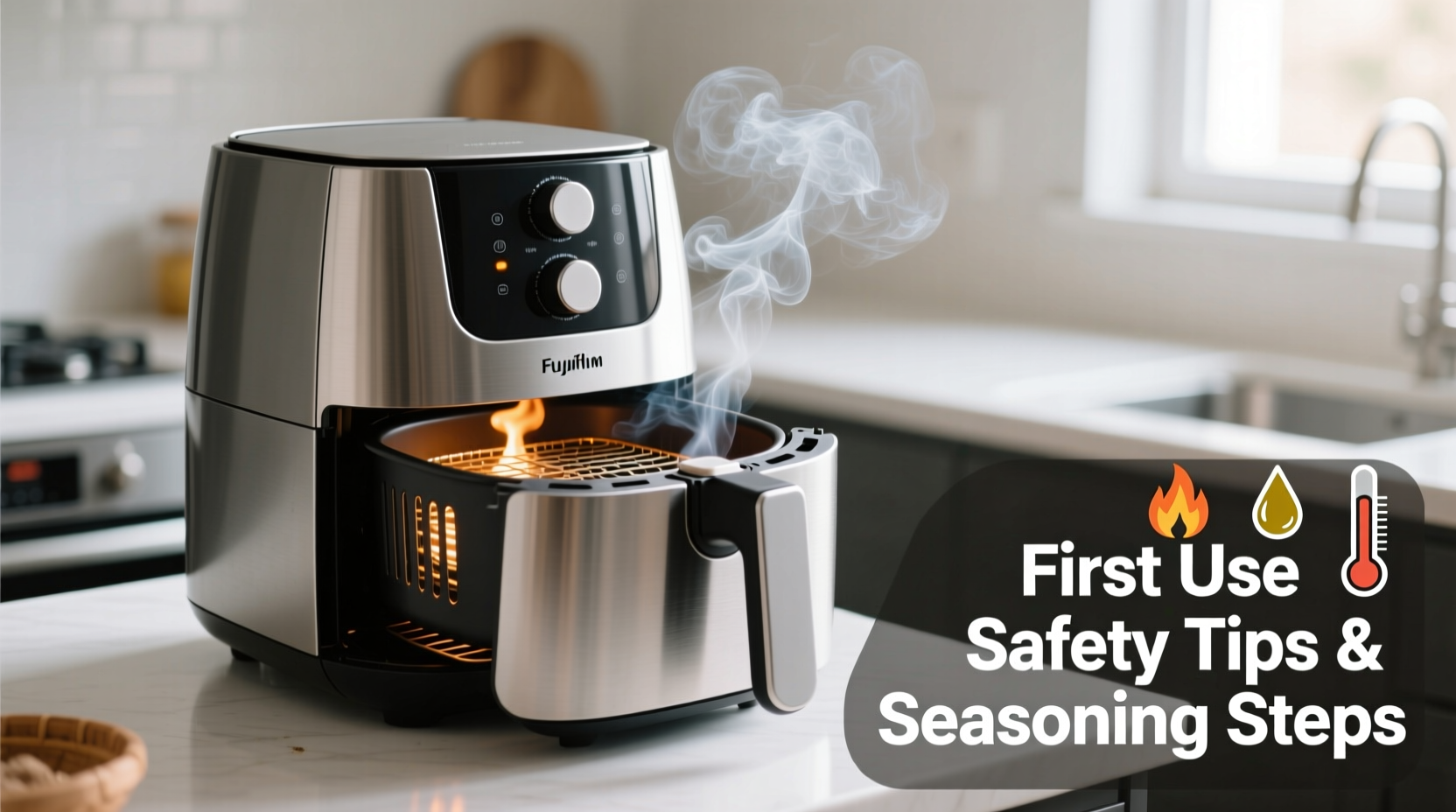
Seeing smoke during the first run of your air fryer can be alarming, but in nearly all cases, it’s due to normal manufacturing residue burning off. During production, components like the heating element, non-stick basket, and interior coating are exposed to oils, lubricants, and protective films. When heated for the first time, these substances vaporize, creating visible smoke and sometimes an unpleasant odor.
This phenomenon is similar to what happens when you heat a new cast iron skillet or non-stick pan—the “break-in” phase where residual materials burn away. The heating coil, typically located above the cooking chamber, reaches high temperatures rapidly, accelerating this process. While the smoke may appear excessive, it's generally not dangerous if proper ventilation is present and the unit is used according to instructions.
In some cases, small metal shavings or dust from shipping may also contribute to minor sparking or smoke, though this is rare in quality units. If the smoke persists beyond the first few uses or is accompanied by burning plastic smells, electrical odors, or visible flames, stop using the device immediately and contact the manufacturer.
Safety Tips for Using a New Air Fryer
Your safety comes first. Even if the smoking is expected, taking preventive measures ensures you’re not exposing yourself or your home to unnecessary risks. Follow these key safety practices every time you use your air fryer—especially during initial runs.
- Ventilate the area: Turn on exhaust fans, open windows, or use the stove hood to reduce airborne particles and odors.
- Never leave unattended: Stay nearby during the first few cycles so you can react quickly if something goes wrong.
- Check for obstructions: Ensure no packaging materials (plastic ties, stickers, foam) remain inside the basket or near the heating element.
- Avoid flammable items: Keep curtains, towels, and paper products away from the air fryer’s vents.
- Use on a heat-resistant surface: Place the unit on a countertop made of stone, metal, or ceramic—not plastic or wood that could warp or ignite.
- Inspect power cord and plug: Look for frayed wires or damage before plugging in.
“First-use smoke is typically just off-gassing from factory coatings. As long as it dissipates after 10–15 minutes and there’s no melting smell, it’s likely safe. But always err on the side of caution.” — Dr. Alan Tran, Appliance Safety Researcher at Consumer Home Tech Lab
Step-by-Step Guide: How to Season Your Air Fryer Properly
Seasoning your air fryer isn’t about flavor—it’s about preparing the internal surfaces to perform better and last longer. Proper seasoning removes manufacturing residues, conditions the non-stick coating, and helps prevent food from sticking in future meals. Here’s how to do it correctly:
- Wash removable parts: Remove the basket and tray (if applicable). Wash them in warm, soapy water with a soft sponge. Avoid steel wool or abrasive cleaners that can damage the non-stick surface. Rinse and dry thoroughly.
- Wipe the interior chamber: Use a damp cloth to wipe down the inside of the main unit. Do not immerse the base in water. Dry completely.
- Reassemble the unit: Place the dry basket back into the chamber. Make sure nothing is blocking airflow around the heating element.
- Set temperature and time: Plug in the air fryer. Set it to 400°F (200°C) and run it empty for 10–15 minutes. This burns off residual oils and factory coatings.
- Observe and ventilate: You may notice light smoke or a faint chemical smell during this cycle. That’s normal. Keep the kitchen ventilated.
- Cool and repeat (optional): After the first cycle, let the unit cool completely. For extra assurance, repeat the process once more—this deep-cleans any lingering residues.
- Test with neutral food: On your first actual cook, try making plain potato fries or chicken wings without heavy seasoning. This further conditions the basket and confirms everything is functioning smoothly.
Do’s and Don’ts: Common Mistakes That Cause Smoking
Even after proper seasoning, improper use can lead to smoking. Below is a comparison table outlining best practices versus risky behaviors.
| Do’s ✅ | Don’ts ❌ |
|---|---|
| Preheat the air fryer for 2–3 minutes before adding food | Overfill the basket, which blocks airflow and causes uneven cooking |
| Pat meats and vegetables dry before cooking to reduce excess moisture and oil splatter | Add foods with very high fat content (like bacon) without placing a drip tray underneath |
| Line the basket with parchment paper (perforated, air fryer-safe type) | Use aluminum foil without securing it—loose foil can fly up and touch the heating element |
| Clean the basket and tray after each use to prevent grease buildup | Ignore greasy residue; accumulated oil will smoke during subsequent uses |
| Trim excess fat from meats to minimize dripping | Cook sugary glazed foods frequently without cleaning—caramelized sugar burns easily |
One often-overlooked issue is cooking frozen foods coated in oil. Many store-bought frozen fries or appetizers are pre-tossed in vegetable oil. When heated rapidly in an air fryer, this oil can aerosolize and ignite slightly, causing brief puffs of smoke. To minimize this, shake off excess frost and consider spraying the basket lightly with oil instead of relying on pre-coated items.
Real Example: A Case of Misunderstood Smoke
Sarah from Portland purchased a popular brand air fryer online. Excited to try it, she unpacked it, wiped the basket with a damp cloth, and placed it directly on her granite countertop. She set it to 380°F to cook frozen tater tots. Within three minutes, gray smoke began billowing from the top vent, triggering her kitchen smoke alarm.
Panicked, she unplugged the unit and called customer support. The technician asked if she had done a preliminary burn-off cycle. She hadn’t. The representative explained that the smoke was likely from residual lubricant on the heating coil burning off—exacerbated by the oil-heavy tater tots. Sarah was advised to clean the basket thoroughly, run two 10-minute empty cycles at 400°F, and ensure ventilation next time.
She followed the steps, and her next attempt produced no smoke. Now, she seasons her air fryer monthly and cleans it religiously. Her experience highlights how a lack of awareness—not a defective product—was the real issue.
Frequently Asked Questions
Is it safe to breathe the smoke from a new air fryer?
Short-term exposure to the smoke from a first-use burn-off is generally not harmful for healthy adults, but it’s best avoided. The fumes may irritate eyes, nose, or throat, especially for those with respiratory conditions like asthma. Always ventilate the area and avoid inhaling directly. If the smell resembles burning plastic (not just oily or metallic), stop use immediately—it could indicate a wiring or component issue.
How many times should I run my air fryer empty before cooking?
Most manufacturers recommend one 10–15 minute empty cycle at maximum temperature. However, if the odor or smoke is strong, repeating the process once more ensures complete residue removal. After two cycles with no smoke or smell, your unit is ready for regular use.
Can I use vinegar or lemon to deodorize my air fryer?
Yes—but indirectly. Never pour liquids into the main chamber. Instead, place a small oven-safe bowl with white vinegar or lemon juice in the basket and run the air fryer at 350°F for 10 minutes. This can help neutralize lingering odors after the initial burn-off. Always follow with a wipe-down and a dry cycle to remove moisture.
Final Checklist Before First Cooking
Before you start cooking real food, go through this quick verification list to ensure your air fryer is safe and ready:
- ✅ All packaging materials removed
- ✅ Basket and tray washed and dried
- ✅ Interior wiped clean with a damp cloth
- ✅ Unit placed on a flat, heat-resistant surface
- ✅ Located away from walls, cabinets, and flammable objects
- ✅ Ventilation active (fan or open window)
- ✅ Completed at least one 10-minute empty cycle at 400°F
- ✅ No persistent smoke or burning smells after cycling
Conclusion: Start Smart, Cook Safely
Smoke during your air fryer’s first use doesn’t mean you’ve bought a faulty appliance—it usually means you’re witnessing the final stage of its manufacturing journey. By understanding the science behind the smoke and following simple seasoning steps, you transform a potentially scary moment into a routine part of setup.
More importantly, adopting safe habits now sets the foundation for years of reliable, efficient cooking. From proper ventilation to mindful cleaning, every action contributes to performance and longevity. Your air fryer isn’t just a gadget; it’s a tool that rewards care and attention.




 浙公网安备
33010002000092号
浙公网安备
33010002000092号 浙B2-20120091-4
Comments
No comments yet. Why don't you start the discussion?