
Avocado toast has become a staple of modern breakfast culture—creamy, nutritious, and endlessly customizable. Yet for many home cooks, there’s a recurring frustration: no matter how carefully it's assembled, the toast ends up soggy within minutes. The bread collapses under the weight of the avocado, edges turn limp, and what should be a satisfying crunch becomes a mushy mess. This isn’t just about texture—it undermines the entire experience.
The truth is, achieving that ideal crisp base with just the right amount of chew requires more than simply toasting bread and mashing avocado. It involves understanding moisture control, bread selection, preparation timing, and heat management. With a few strategic adjustments, you can consistently serve up golden, sturdy toast that supports generous toppings without surrendering its structure.
The Science Behind Sogginess
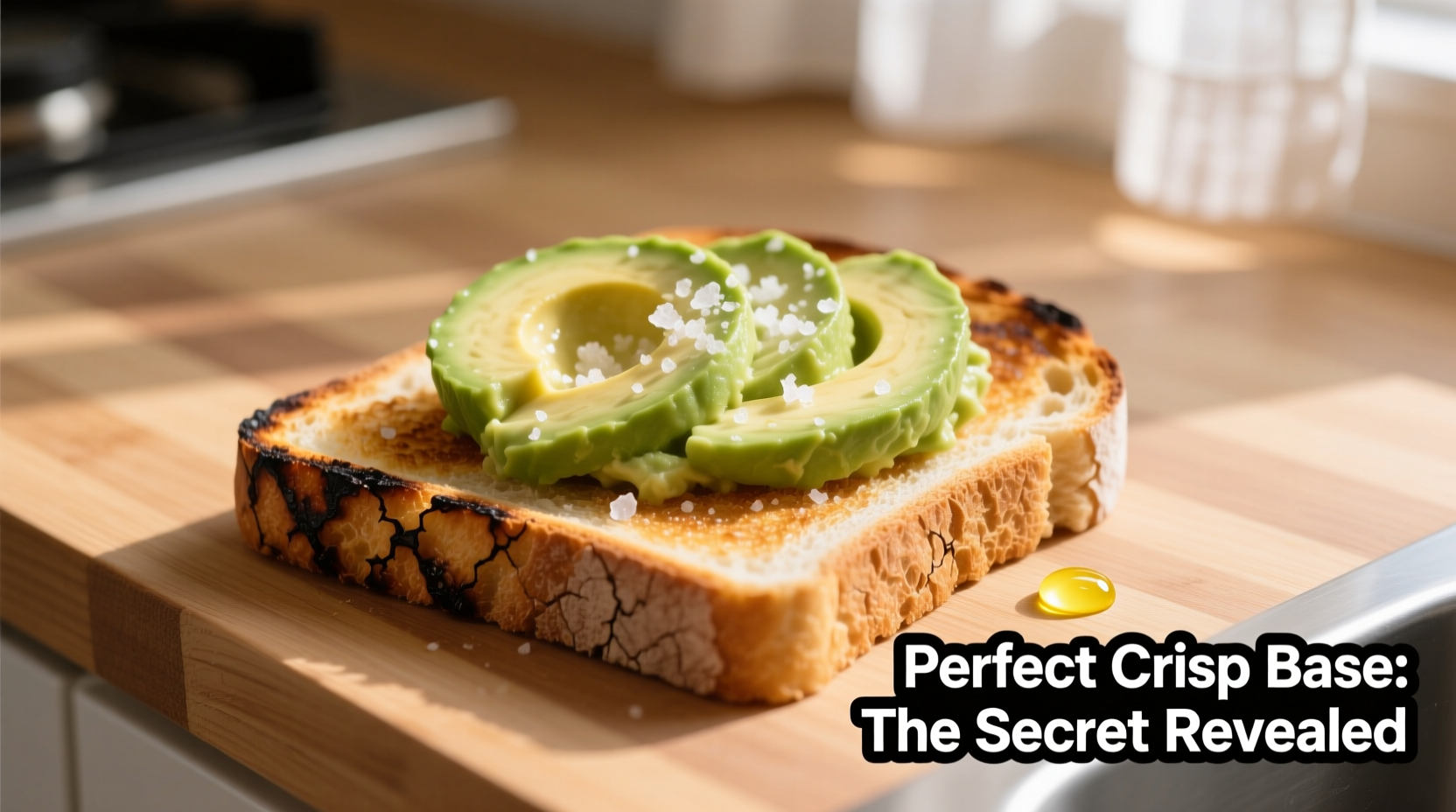
Sogginess in avocado toast isn't random—it follows predictable patterns rooted in food science. When avocado flesh comes into contact with warm bread, residual moisture from both ingredients migrates into the porous surface of the toast. Bread, especially when lightly toasted, retains tiny air pockets and hydrophilic starches that act like sponges. As these absorb moisture, they soften rapidly, leading to structural failure.
Additionally, avocados naturally contain 70–80% water. Even when mashed firmly, this moisture seeps out over time, particularly when salt or acidic ingredients (like lemon juice) are added. These compounds draw out additional liquid through osmosis, accelerating the softening process.
Heat plays a dual role. Warm toast straight from the toaster may feel crisp initially, but its internal steam hasn't fully escaped. Placing cool, moist avocado on top creates condensation between layers—a hidden contributor to sogginess often overlooked.
Choosing the Right Bread Matters More Than You Think
Not all breads are created equal when it comes to supporting wet toppings. The foundation of great avocado toast starts long before the avocado hits the plate—it begins at the grocery shelf.
Dense, low-porosity breads perform best. Sourdough, for example, benefits from natural fermentation that strengthens gluten structure and lowers pH, making it more resistant to moisture absorption. Artisanal rye, whole grain with visible seeds, and thick-cut country loaf varieties also offer superior integrity compared to flimsy sandwich bread or pre-sliced white loaves.
Bread thickness is another critical factor. Aim for slices at least ¾ inch thick. Thinner slices lack the structural mass needed to resist compression and moisture penetration. If your loaf allows, consider cutting your own slices to ensure consistency.
| Bread Type | Moisture Resistance | Recommended? | Why |
|---|---|---|---|
| Sourdough | High | ✅ Yes | Acidic pH and tight crumb reduce sogginess |
| Whole Grain (Seeded) | Medium-High | ✅ Yes | Seeds add crunch; denser texture holds up |
| White Sandwich Bread | Low | ❌ No | Porous, thin, absorbs moisture quickly |
| Rye (Dense) | High | ✅ Yes | Low rise, compact crumb, excellent stability |
| Brioche | Very Low | ❌ Avoid | Buttery and soft—collapses easily under moisture |
“Texture starts with structure. A good toast base should have enough heft to stand up to toppings without becoming a sponge.” — Chef Lena Torres, Culinary Instructor at Pacific Food Lab
Mastering the Toast: Technique Over Temperature
Toasting isn’t just about browning—it’s about dehydration and structural reinforcement. The goal is to drive off internal moisture while creating a protective crust that resists infiltration.
Many people rely solely on a pop-up toaster, but this method often results in uneven heating. One side may be overly darkened while the other remains soft. For optimal results, consider alternative methods:
- Oven-toasting: Place bread directly on an oven rack at 375°F (190°C) for 8–10 minutes, flipping halfway. This allows even drying on all surfaces.
- Sauté pan method: Heat a nonstick or cast-iron skillet over medium heat, add a small amount of olive oil or butter, and toast each side until deeply golden. The fat creates a moisture barrier while enhancing flavor.
- Broiler finish: After initial toasting, place under a broiler for 30 seconds to further dry the surface—ideal when preparing multiple servings ahead of time.
Avoid using spray oils or butter spreads with high water content—they can introduce moisture during toasting, counteracting your efforts.
Step-by-Step Guide to the Perfect Toast Base
- Choose a dense, thick-sliced bread (sourdough recommended).
- Cut evenly if slicing yourself—aim for ¾ to 1 inch thickness.
- Preheat oven to 375°F or heat a skillet over medium flame.
- Toast bread until deep golden brown on both sides (not just light brown).
- Transfer to a wire rack to cool for 60–90 seconds—this prevents steam buildup.
- Optional: Lightly brush one side with extra virgin olive oil for added moisture resistance.
- Proceed to topping immediately—but only after cooling phase.
Controlling the Avocado Factor
Even with perfect toast, poorly prepared avocado can doom the dish. The way you handle the avocado significantly impacts moisture release.
Start by selecting ripe—but not overripe—avocados. Overripe fruit breaks down easily and exudes more liquid. To test ripeness, gently press near the stem end; it should yield slightly but not feel mushy.
When mashing, avoid over-processing. Use a fork to coarsely mash the flesh, leaving small chunks intact. This reduces surface area exposed to air and minimizes free moisture. Immediately mix in a squeeze of lemon or lime juice—not only does this enhance flavor, but the acidity helps stabilize cell walls and slow oxidation and weeping.
Salt is essential, but timing matters. Adding salt too early draws out moisture through osmotic pressure. Wait until just before serving to season, or use flaky sea salt sparingly on top rather than mixing it in.
For maximum crisp retention, consider a two-layer defense:
- Apply a thin “moisture barrier” first—such as whipped ricotta, cream cheese, or hummus—before adding avocado.
- This layer acts as a sealant between bread and wet ingredients.
Checklist: How to Prevent Soggy Avocado Toast
- ✅ Use thick-cut, dense bread (sourdough, seeded whole grain)
- ✅ Toast until deeply golden, not just lightly browned
- ✅ Cool toast for 60–90 seconds on a wire rack
- ✅ Mash avocado coarsely—don’t purée
- ✅ Add lemon juice immediately after mashing
- ✅ Season with salt just before serving
- ✅ Consider a moisture barrier (ricotta, hummus)
- ✅ Serve immediately on a dry, warmed plate
Real-World Example: From Café Flop to Home Success
Jamie, a software engineer in Portland, loved avocado toast so much she tried recreating her favorite café version at home. Every attempt failed—the bread turned to sludge within minutes. Frustrated, she started tracking variables: bread brand, toasting method, avocado age, seasoning timing.
She discovered that her local supermarket sourdough was thinner and softer than expected. Switching to a bakery-bought loaf with a thicker cut made a noticeable difference. She also stopped using her pop-up toaster and switched to pan-toasting with olive oil, which gave her better control over color and crispness.
The biggest breakthrough came when she delayed salting the avocado until plating. By pre-mixing avocado with lemon juice and storing it briefly in a sealed container, then seasoning only upon assembly, she reduced moisture seepage dramatically.
Within a week, her toast held firm for over ten minutes—even with heavy toppings like poached eggs and microgreens. “It’s not magic,” she said. “It’s just paying attention to details I never thought mattered.”
Frequently Asked Questions
Can I make avocado toast ahead of time?
Not ideally. Due to moisture migration, pre-assembled avocado toast will inevitably become soggy. However, you can prepare components separately: toast and cool the bread, store it in a paper bag at room temperature, and keep seasoned avocado covered with plastic wrap pressed directly against the surface to limit oxidation. Assemble within 2 hours for best results.
Does buttering the toast help prevent sogginess?
Yes—but only if done correctly. Spreading softened butter *after* toasting adds moisture and can accelerate sogginess. Instead, melt a small amount of butter or use olive oil in the pan *while* toasting. This allows the fat to penetrate and form a hydrophobic layer without introducing excess water.
What toppings make avocado toast soggier faster?
Wet ingredients like tomatoes (especially if not deseeded), runny eggs, yogurt-based sauces, and pickled vegetables increase moisture load. To mitigate this, pat tomatoes dry with a paper towel, use hard-boiled instead of poached eggs if eating later, and apply sauces sparingly or on top of the avocado layer rather than beneath it.
Final Thoughts: Crispness Is Within Reach
Soggy avocado toast doesn’t reflect poor taste—it reflects overlooked technique. The solution lies not in sacrificing creaminess for crunch, but in balancing the two through smarter choices. From selecting the right loaf to mastering moisture control, each step contributes to a more enjoyable, texturally satisfying meal.
Great toast isn’t accidental. It’s the result of intention: choosing quality ingredients, applying heat effectively, managing timing, and respecting the interaction between components. Once you understand the mechanics behind sogginess, prevention becomes second nature.




 浙公网安备
33010002000092号
浙公网安备
33010002000092号 浙B2-20120091-4
Comments
No comments yet. Why don't you start the discussion?