
For many men, growing a full, thick beard is a symbol of masculinity, style, and personal identity. But the journey isn’t always smooth—patchiness in specific areas like the cheeks, chin, or mustache line is a common frustration. If you’ve stared into the mirror wondering why your beard grows unevenly, you're not alone. Genetics, hormones, grooming habits, and even lifestyle factors play a role. And while beard oil is often hailed as a miracle product, it’s important to understand exactly what it can—and cannot—do for patchy growth.
This guide breaks down the science behind facial hair distribution, evaluates the real impact of beard oil, and provides actionable steps to improve your beard’s overall health and appearance—even if genetics aren’t on your side.
The Science Behind Patchy Beard Growth
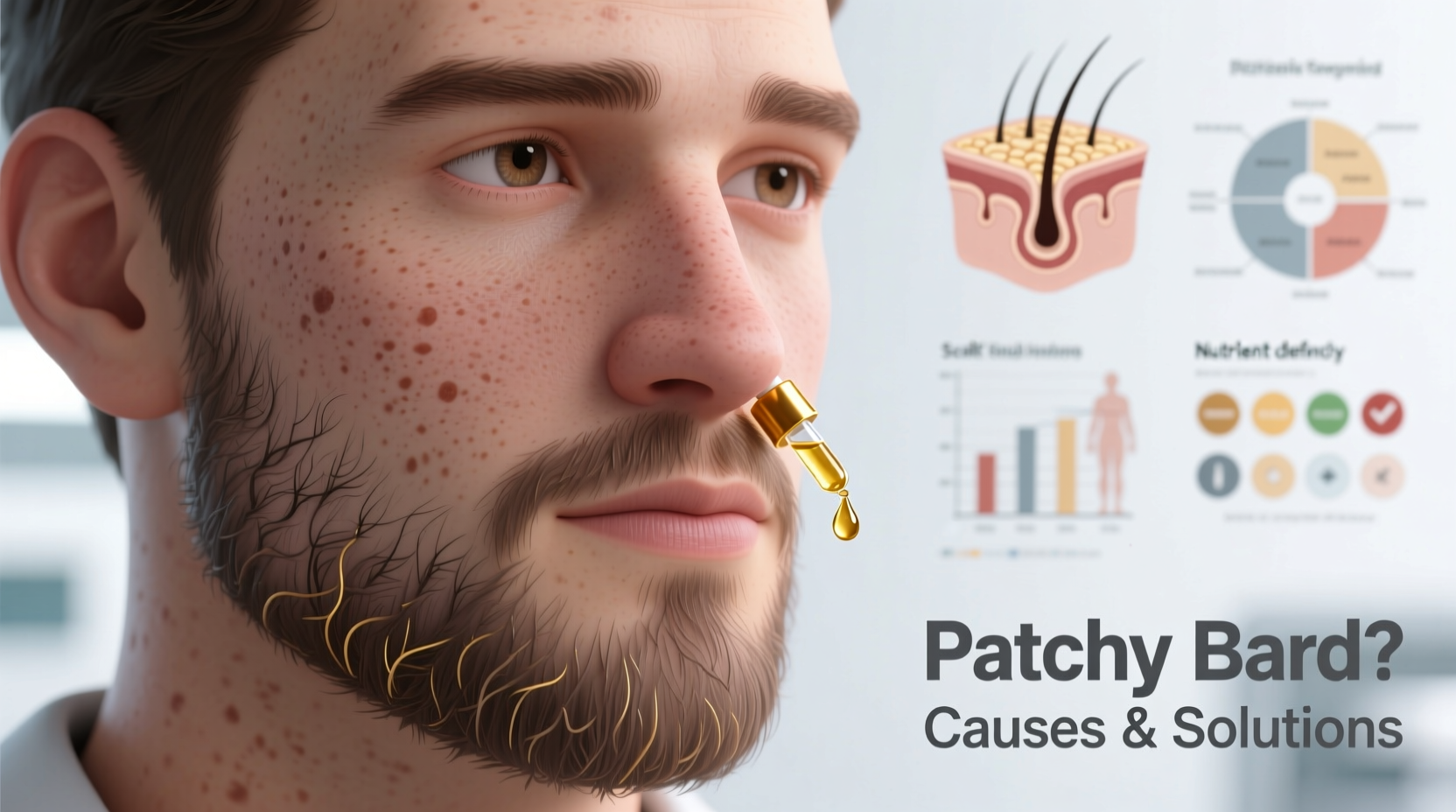
Facial hair doesn't grow uniformly across all men, and this variation is largely rooted in biology. Hair follicles are distributed unevenly on the face, and their sensitivity to hormones like dihydrotestosterone (DHT) determines how densely they produce hair.
Areas such as the upper cheeks, jawline, and under the lower lip typically have fewer active follicles, which leads to sparser growth. In contrast, the chin and neck often support thicker, more robust hair because those regions are more responsive to androgens.
According to Dr. Aaron R. Danesh, a board-certified dermatologist specializing in hair disorders:
“Beard density is primarily determined by genetic predisposition and hormonal activity during puberty. Some men simply inherit follicles that are less concentrated in certain zones, making full coverage difficult regardless of care routines.” — Dr. Aaron R. Danesh, MD
Other contributing factors include:
- Age: Beard maturity often takes years. Many men in their early 20s experience patchiness that fills in naturally by age 25–30.
- Hormonal imbalances: Low testosterone or poor conversion to DHT may limit follicle activation.
- Poor circulation: Reduced blood flow to facial skin can impair nutrient delivery to hair follicles.
- Skin conditions: Acne, folliculitis, or scarring from ingrown hairs can damage follicles permanently.
Understanding that patchiness is often normal—and temporary—is the first step toward managing expectations and taking effective action.
Can Beard Oil Fix Patchy Spots?
Beard oil is widely marketed as a solution for everything from itchiness to fuller growth. While it offers significant benefits for beard health, it’s essential to clarify one point: beard oil does not stimulate new hair growth in bald or thinning patches.
Instead, its value lies in optimizing the environment for existing hair. Most beard oils contain carrier oils (like jojoba, argan, or grapeseed) and essential oils (such as cedarwood or peppermint), which work together to:
- Mimic natural sebum production to moisturize skin beneath the beard
- Reduce inflammation that could inhibit healthy follicle function
- Improve hair flexibility and reduce breakage
- Enhance shine and softness, making sparse areas appear denser visually
In short, beard oil won’t “fill in” gaps where no follicles exist, but it can create conditions that support stronger, healthier-looking hair in weak zones. Think of it as lawn care: watering and fertilizing won’t make grass grow where the soil is barren, but it will help the existing grass thrive.
What Actually Helps Improve Beard Fullness?
If beard oil alone isn’t the answer, what strategies can genuinely help minimize the appearance of patchiness or encourage better growth? The following approaches combine medical insight, grooming science, and real-world results.
1. Give It Time
Many men abandon their beard too early. Facial hair continues developing into the late twenties. A patchy beard at 21 might become significantly fuller by 27. Resist the urge to shave frequently out of frustration—consistent growth tracking over 8–12 weeks reveals true progress.
2. Optimize Nutrition and Lifestyle
Hair growth depends on key nutrients. Deficiencies in biotin, zinc, vitamin D, iron, and protein can impair keratin production and follicle health.
“A patient came in frustrated with his patchy goatee. After testing, we found low vitamin D and borderline zinc levels. Within three months of supplementation and diet changes, he reported noticeable improvement.” — Dr. Lena Torres, Trichology Consultant
Foods that support beard growth include eggs, salmon, spinach, nuts, lean meats, and legumes. Consider a multivitamin formulated for men’s hair health if dietary intake is inconsistent.
3. Use Minoxidil (With Caution)
Minoxidil, an FDA-approved topical treatment for hair loss, has been used off-label to enhance beard density. Clinical studies show mixed but promising results. One 2016 study published in *Skin Appendage Disorders* found that 30% of participants using 5% minoxidil twice daily achieved moderate to dense beard growth after 16 weeks.
However, side effects like dryness, irritation, and systemic absorption mean it should be used carefully. Discontinuation often leads to reversal of gains, so commitment is required.
4. Massage Your Face Regularly
Dermal stimulation through massage increases blood flow to follicles, delivering oxygen and nutrients. Spend 2–3 minutes daily massaging your beard area with fingertips or a jade roller.
Technique matters: use circular motions along the jawline, cheeks, and mustache region. Pair with beard oil to reduce friction and maximize glide.
5. Avoid Over-Grooming and Irritation
Shaving too closely, especially around patchy zones, can cause micro-tears and inflammation. Ingrown hairs and razor bumps may lead to scarring that permanently damages follicles.
Use sharp razors, proper shaving cream, and post-shave balms to protect sensitive skin. For men growing out a beard, resist trimming too soon—longer hair can help camouflage thinner areas.
Do’s and Don’ts: Beard Care for Patchy Growth
| Do’s | Don’ts |
|---|---|
| Wash your beard 2–3 times per week with a gentle cleanser | Over-wash with harsh soaps that strip natural oils |
| Apply beard oil or balm daily to hydrate skin and hair | Use products with alcohol or synthetic fragrances that irritate skin |
| Comb your beard daily to train hair direction and distribute oils | Yank or tug on beard hair with rough brushes |
| Eat a balanced diet rich in protein and vitamins | Skip meals or rely on processed foods long-term |
| Be patient—give your beard at least 3–6 months to mature | Shave every few days out of impatience |
Real Example: How Mark Transformed His Patchy Beard
Mark, a 24-year-old software developer, struggled with a sparse mustache and weak cheek growth. At 21, he’d tried growing a beard multiple times but gave up within weeks due to itchiness and visible gaps. After reading about beard development timelines, he committed to a six-month trial.
His routine included:
- Daily application of organic jojoba-based beard oil
- Weekly exfoliation to prevent clogged pores
- Twice-weekly facial massages
- A diet boosted with eggs, almonds, and leafy greens
- No trimming for four months
By month five, Mark noticed darker, coarser hairs emerging in previously bare spots. By month six, his beard appeared significantly fuller—not perfectly even, but cohesive enough to style confidently. He credits consistency and patience more than any single product.
“I stopped comparing my beard to influencers with perfect growth,” Mark said. “Once I accepted mine was still maturing, the improvements felt like a win.”
Step-by-Step Guide to Minimizing Beard Patchiness
- Assess Realistically: Take front and side photos of your beard. Identify which areas are truly inactive vs. just slow-growing.
- Wait It Out: Commit to no shaving for at least 12 weeks. Track progress weekly with photos.
- Cleanse Gently: Use a sulfate-free beard wash 2–3 times a week to prevent buildup without drying skin.
- Hydrate Daily: Apply 3–5 drops of beard oil morning or night, working it down to the skin.
- Stimulate Circulation: Massage your face for 2–3 minutes daily using upward and outward motions.
- Nourish Internally: Eat protein-rich meals and consider supplements like biotin or collagen peptides if needed.
- Consider Minoxidil (Optional): If no improvement after 6 months, consult a dermatologist about topical treatments.
- Groom Strategically: Once grown, trim evenly to create symmetry and avoid highlighting thin zones.
FAQ
Will beard oil make my patchy beard grow faster?
No. Beard oil improves the condition of existing hair and skin but does not accelerate growth rate or activate dormant follicles. Its benefits are cosmetic and supportive, not regenerative.
How long should I wait before deciding my beard won’t fill in?
Most men see final beard maturity between ages 25 and 30. If you’re under 25, give it at least 6–12 months of consistent growth. Beyond 30, persistent patchiness likely reflects genetic limits.
Can stress cause beard thinning or patchiness?
Yes. Chronic stress can trigger telogen effluvium, a condition where hair prematurely enters the shedding phase. Managing stress through sleep, exercise, and mindfulness may support better beard retention.
Conclusion: Work With Your Beard, Not Against It
Patchy beard growth is far more common than most men admit. While genetics set the foundation, smart care, time, and informed choices can significantly improve your beard’s appearance. Beard oil plays a valuable supporting role—keeping your facial hair soft, shiny, and your skin irritation-free—but it’s not a magic fix for missing follicles.
The key is to shift focus from perfection to progress. Embrace the uniqueness of your growth pattern, nurture what you have, and let time do the rest. Whether you’re aiming for a rugged stubble or a commanding full beard, confidence comes not from flawless coverage, but from knowing you’ve given your beard the best possible chance to thrive.




 浙公网安备
33010002000092号
浙公网安备
33010002000092号 浙B2-20120091-4
Comments
No comments yet. Why don't you start the discussion?