
Bearded dragons are generally enthusiastic eaters, so when they stop feeding, it’s natural for owners to become concerned. A sudden loss of appetite can signal anything from environmental stress to serious illness. While occasional food refusal is normal—especially during brumation—persistent disinterest in food requires attention. Understanding the root cause is essential to restoring your pet’s health and ensuring long-term well-being.
This guide explores the most common reasons behind a bearded dragon's lack of appetite, provides actionable steps to address each issue, and offers expert insights to help you make informed decisions. Whether your dragon is a juvenile or adult, recognizing early signs and responding appropriately can prevent complications and support a full recovery.
Common Causes of Appetite Loss
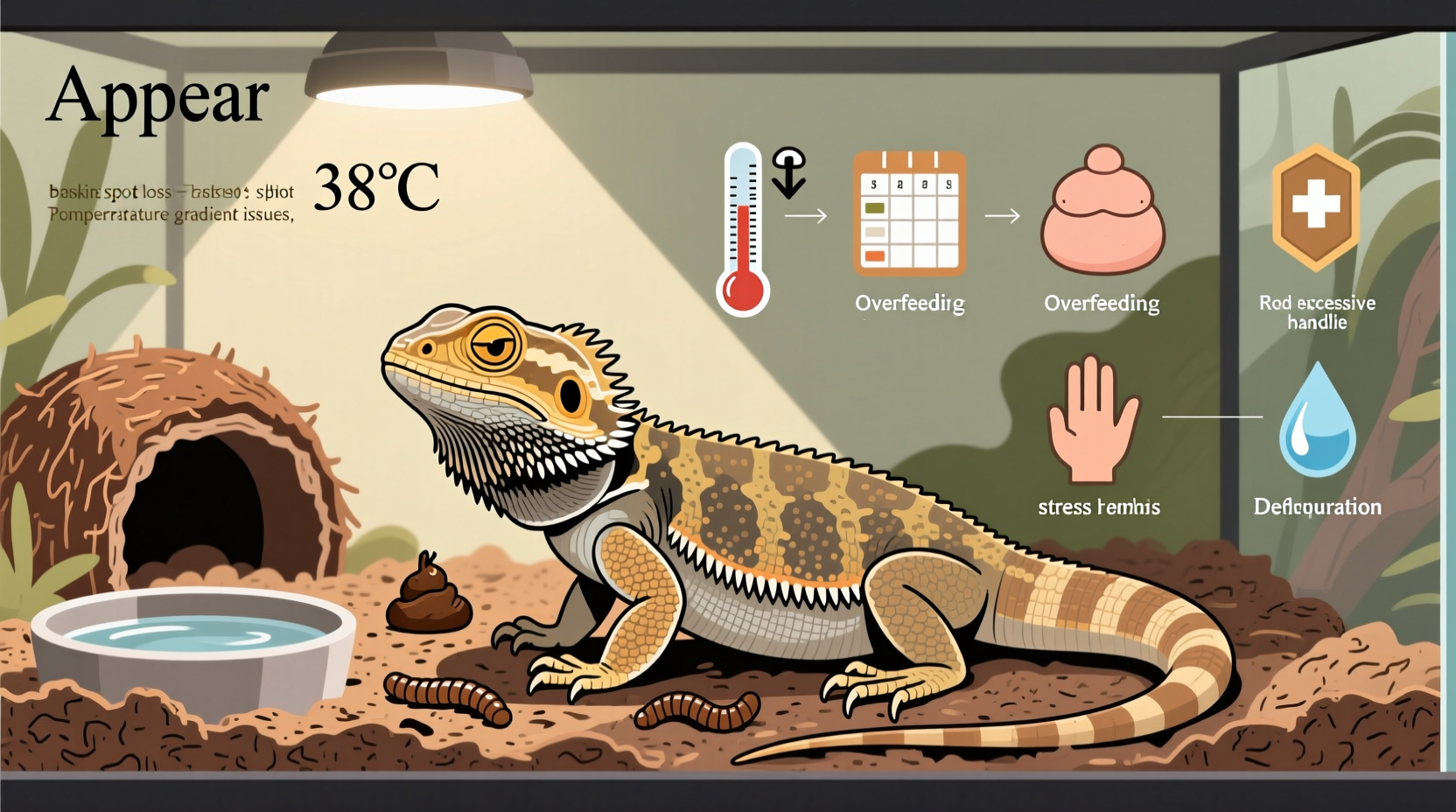
A bearded dragon may stop eating for a variety of reasons, ranging from natural biological cycles to improper husbandry. Identifying the underlying cause is critical before attempting treatment.
- Brumation: A natural hibernation-like state occurring in mature dragons during cooler months. Reduced activity and appetite are typical.
- Inadequate Temperature: Bearded dragons rely on external heat to digest food. If the basking spot is below 95°F (35°C), digestion slows or stops.
- Poor UVB Lighting: Without proper UVB exposure, calcium metabolism is impaired, leading to lethargy and appetite loss.
- Dietary Boredom: Feeding the same insects or greens repeatedly may cause pickiness, especially in adults.
- Stress: Environmental changes, loud noises, or handling by unfamiliar people can trigger anxiety and suppress feeding.
- Parasites: Internal parasites like pinworms disrupt gut function and reduce appetite.
- Mouth Rot or Dental Issues: Painful infections or injuries in the mouth make eating uncomfortable.
- Impaction: A blockage in the digestive tract due to substrate ingestion or large prey items halts eating entirely.
Husbandry Factors That Impact Eating Habits
The environment you provide plays a direct role in your bearded dragon’s health and appetite. Even minor deviations from optimal conditions can lead to feeding issues.
Temperature and Lighting Requirements
Bearded dragons are ectothermic—they depend on their surroundings to regulate body temperature. Incorrect temperatures impair digestion and suppress appetite.
| Zone | Daytime Temp | Night Temp | Notes |
|---|---|---|---|
| Basking Spot | 95–110°F (35–43°C) | Not applicable | Must be accessible for at least 10 hours daily |
| Cool Side | 75–85°F (24–29°C) | 70–75°F (21–24°C) | Provides thermal gradient for self-regulation |
| UVB Output | Repti-Zoo or Arcadia 10.0 or 12% | Turned off at night | Lamp should be replaced every 6–12 months |
If your enclosure lacks a proper thermal gradient or uses outdated UVB bulbs, your dragon may refuse food despite being hungry. Always use digital thermometers and hygrometers—not stick-on gauges—for accurate readings.
Substrate and Enclosure Safety
Loose substrates like sand or walnut shell pose a high risk of impaction, especially in juveniles. Ingesting foreign material blocks the digestive tract, causing pain and appetite loss.
“Over half the anorexic bearded dragons I see have either husbandry errors or undiagnosed metabolic bone disease from poor lighting.” — Dr. Laura Lee, Exotic Veterinarian, DVM
Switch to solid substrates such as reptile carpet, ceramic tile, or paper towels to eliminate this risk. Clean the enclosure weekly and remove uneaten food promptly to prevent bacterial growth.
Health Conditions Linked to Appetite Loss
When environmental factors are ruled out, medical issues are likely to blame. Some conditions develop slowly, while others appear suddenly.
Metabolic Bone Disease (MBD)
Caused by calcium deficiency or insufficient UVB exposure, MBD leads to soft bones, tremors, and difficulty moving. Affected dragons often stop eating due to pain and weakness.
Symptoms include:
- Jaw swelling or “rubber jaw”
- Limping or twitching limbs
- Curved spine or kinked tail
- Refusal to climb or bask
Immediate correction of diet and lighting is necessary, but severe cases require veterinary intervention with injectable calcium and supportive care.
Parasitic Infections
Internal parasites such as coccidia, pinworms, or flagellates are common in captive reptiles. They cause weight loss, diarrhea, and appetite suppression.
A fecal float test performed by a vet can detect parasite eggs. Treatment typically involves oral antiparasitics like fenbendazole over several days.
Respiratory Infections
Low temperatures or high humidity can lead to respiratory infections. Signs include wheezing, mucus around the nose, and lethargy. Sick dragons often stop eating due to discomfort.
If symptoms persist beyond 48 hours despite correcting tank conditions, seek veterinary care. Antibiotics may be required.
Step-by-Step Guide to Restore Your Dragon’s Appetite
Follow this timeline to systematically identify and resolve the cause of appetite loss:
- Day 1: Assess Environment
Check basking temperature, cool side temps, UVB bulb age, and humidity. Adjust as needed. - Day 2: Review Diet and Hydration
Offer fresh greens (collard, mustard, dandelion) and gut-loaded crickets. Try hand-feeding or syringe-feeding water. - Day 3: Observe Behavior
Note movement, defecation, eye clarity, and interest in food. Look for signs of impaction or mouth rot. - Day 4–5: Try Appetite Stimulants
Offer favorite treats like superworms or blueberries. Use shallow water baths to encourage hydration and stimulate digestion. - Day 6–7: Consult a Vet if No Improvement
If your dragon hasn’t eaten in over a week or shows clinical signs of illness, schedule an exotic vet visit.
During this process, keep a log of food offered, waste produced, and behavioral changes. This information helps veterinarians make faster, more accurate diagnoses.
Real-Life Example: Leo the Picky Eater
Mark noticed his two-year-old male bearded dragon, Leo, stopped eating mealworms and greens over a three-day period. The basking light was still working, but Mark hadn’t replaced the UVB bulb in 14 months. After reading about MBD, he upgraded to a new Arcadia 12% UVB tube and began offering calcium-dusted silkworms—Leo’s former favorite.
Within five days, Leo started nibbling on chopped collard greens and even chased a few crickets. By day ten, his appetite returned fully. A follow-up fecal test revealed low-level coccidia, which the vet treated with a short course of medication. Mark now replaces UVB bulbs every nine months and rotates Leo’s diet weekly to prevent boredom.
This case highlights how multiple factors—aging bulbs, dietary monotony, and mild infection—can combine to suppress appetite. Addressing all areas simultaneously led to a successful recovery.
Prevention Checklist
To minimize future appetite issues, follow this routine checklist:
- ✅ Replace UVB bulbs every 6–12 months
- ✅ Maintain basking temperature between 95–110°F
- ✅ Provide a varied diet: 3–4 types of greens, 2–3 insect species weekly
- ✅ Use safe, non-loose substrate (tile, paper towels)
- ✅ Schedule annual fecal exams with your exotic vet
- ✅ Monitor weight monthly using a digital scale
- ✅ Avoid housing multiple adults together (territorial stress)
Frequently Asked Questions
How long can a bearded dragon go without eating?
Healthy adult dragons can survive 1–3 months without food during brumation, but juveniles should never go more than 1–2 weeks without eating. Any prolonged fasting outside of brumation requires investigation.
Can dehydration cause loss of appetite?
Yes. Dehydration slows metabolism and makes dragons feel sluggish. Offer water via dropper, mist the enclosure lightly, or give 10-minute warm baths 2–3 times a week to encourage fluid intake.
Should I force-feed my bearded dragon?
Force-feeding should only be done under veterinary guidance. Improper technique can cause aspiration or stress. If necessary, vets may recommend a slurry of baby food and calcium for temporary support.
Final Thoughts and Action Plan
A bearded dragon not eating is a red flag that demands attention—but not panic. Start by reviewing the habitat setup, particularly temperature and lighting. Rule out brumation if your dragon is otherwise active and healthy. Introduce dietary variety and monitor closely for physical symptoms.
If simple fixes don’t work within a week, consult a qualified reptile veterinarian. Early diagnosis of parasites, infections, or metabolic disorders greatly improves recovery chances. Remember, prevention through consistent care is always better than treatment.




 浙公网安备
33010002000092号
浙公网安备
33010002000092号 浙B2-20120091-4
Comments
No comments yet. Why don't you start the discussion?