
If you've noticed clusters of tiny bubbles floating at the surface of your betta fish’s tank, especially near the edges or under floating plants, you're likely observing a natural and fascinating behavior: bubble nest building. This activity, often mistaken for signs of distress or poor water quality, is actually a strong indicator of a healthy, content male betta preparing for potential reproduction. Understanding this instinctive behavior provides valuable insight into your fish’s well-being and environmental satisfaction.
Betta fish, particularly males, are known for their elaborate courtship rituals and parental care—rare traits among aquarium species. The construction of bubble nests is not random; it’s a deliberate act rooted in survival and reproductive strategy. By learning what triggers this behavior and how to interpret it, aquarists can create better habitats and deepen their connection with these intelligent, expressive creatures.
The Science Behind Bubble Nesting
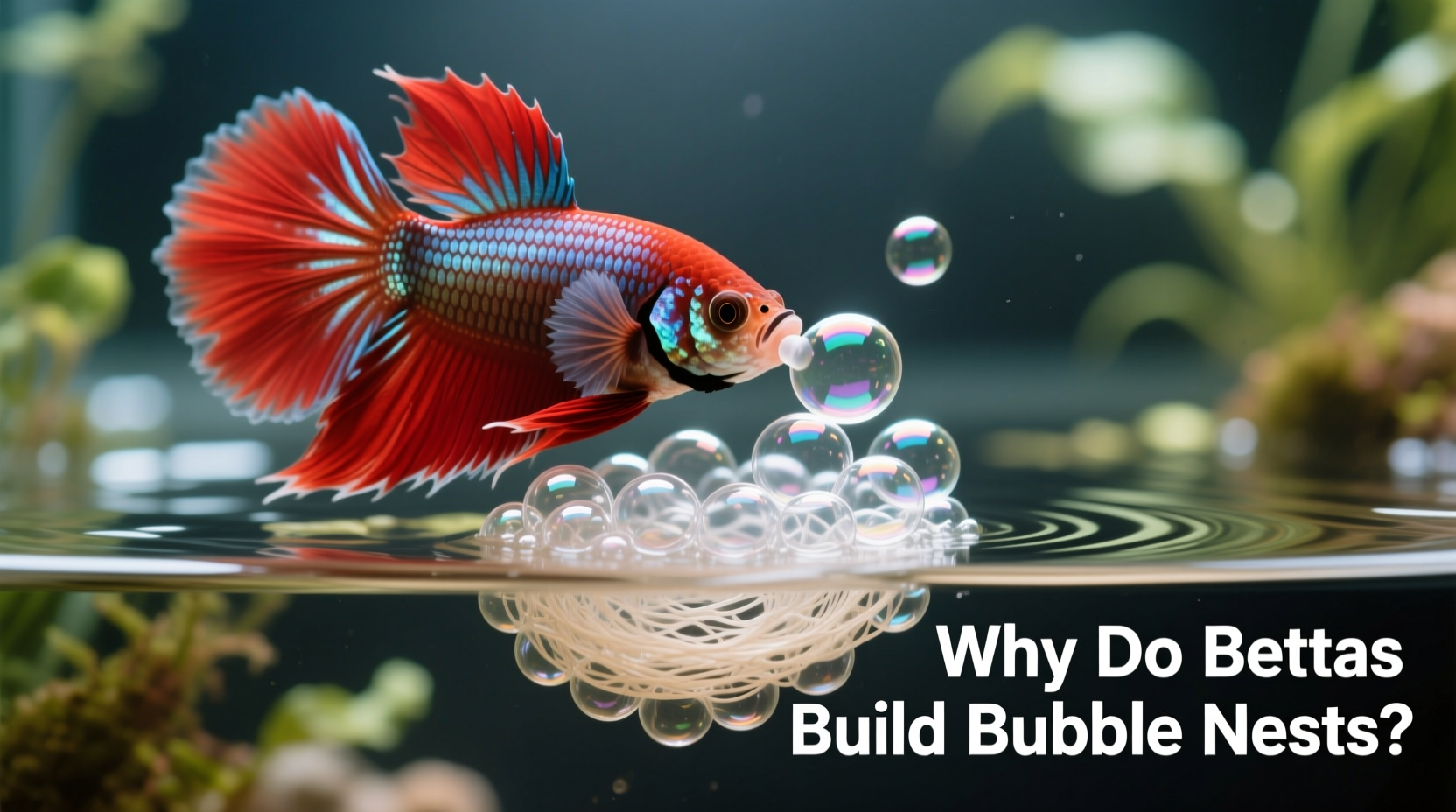
Bubble nests are structures made from saliva-coated air bubbles that male bettas blow and arrange at the water's surface. These nests serve as protective enclosures for fertilized eggs during breeding. After spawning, the male carefully collects the eggs in his mouth and places them into the nest, where they remain until hatching. The saliva helps stabilize the bubbles and prevents them from popping too quickly, creating a safe microenvironment rich in oxygen.
This behavior is driven by instinct and hormones, primarily testosterone. Even in the absence of females, healthy male bettas will often construct nests regularly—especially when conditions mimic their natural habitat: warm, calm water with minimal disturbances and abundant surface cover such as leaves or floating debris.
“Bubble nesting is one of the most reliable indicators of a betta’s physical and psychological health. It shows the fish feels secure enough to express natural behaviors.” — Dr. Lena Torres, Aquatic Behavioral Biologist
In the wild, bettas inhabit shallow rice paddies, slow-moving streams, and floodplains across Southeast Asia. These environments are often low in oxygen, prompting bettas to develop labyrinth organs that allow them to breathe atmospheric air. This adaptation also supports their nesting behavior, as frequent trips to the surface for air become part of both respiration and nest construction.
What Triggers Bubble Nest Construction?
Betta fish don’t build bubble nests randomly. Specific environmental and physiological factors encourage this behavior:
- Water Temperature: Ideal range is between 78°F and 80°F (25.5–27°C). Cooler temperatures suppress metabolic and hormonal activity, reducing nesting frequency.
- Water Quality: Clean, well-maintained tanks with stable pH (6.5–7.5) and low ammonia/nitrite levels promote confidence and reduce stress.
- Surface Calmness: Still or gently filtered water allows bubbles to persist longer, making nest-building more effective.
- Presence of Floating Objects: Leaves, plant matter, or even plastic decorations at the surface give structural support and anchoring points for nests.
- Maturity and Sex: Only mature males exhibit this behavior consistently. Females may occasionally blow a few bubbles but do not form structured nests.
Interestingly, some bettas begin building nests within weeks of reaching sexual maturity (around 3–5 months old), while others take longer. Individual personality plays a role—some males are prolific builders, returning daily to reinforce their creations, while others are occasional or indifferent nesters.
Is Bubble Nesting a Sign of Happiness?
While \"happiness\" is a human concept, consistent bubble nest building strongly correlates with optimal living conditions and low stress. A betta that feels safe, well-fed, and physically comfortable is far more likely to engage in complex instinctual behaviors like nest construction.
Conversely, the absence of bubble nests does not necessarily indicate poor health or unhappiness. Some bettas simply nest less frequently, especially if they’re younger or housed in suboptimal flow conditions. However, sudden cessation of an established nesting habit—especially when paired with lethargy, loss of appetite, or color fading—may signal underlying issues such as illness, poor water parameters, or environmental stressors.
It’s important not to force or manipulate nesting through artificial means. For example, introducing a female without proper preparation can lead to aggression and injury. Similarly, disturbing the nest repeatedly may discourage future attempts and increase anxiety.
Step-by-Step Guide to Supporting Natural Nesting Behavior
If you want to encourage and support your betta’s instinct to build bubble nests, follow this practical sequence:
- Maintain Stable Water Temperature: Use a reliable aquarium heater set to 78–80°F. Fluctuations disrupt metabolism and suppress breeding instincts.
- Minimize Surface Agitation: Adjust filter output so it doesn’t create ripples or waves. Sponge filters or covered filter outlets work best.
- Add Floating Cover: Place a real or artificial leaf, styrofoam piece, or cork ring near the surface to provide structure and security.
- Perform Regular Maintenance: Conduct weekly 25% water changes using dechlorinated water matched in temperature.
- Observe Without Interference: Watch your betta’s behavior daily but avoid tapping the glass or disturbing the nest.
- Feed a Balanced Diet: High-quality pellets supplemented with frozen or live foods (like brine shrimp or bloodworms) improve vitality and hormone production.
- Provide Quiet Environment: Keep the tank away from loud noises, vibrations, and direct sunlight to reduce stress.
Following these steps creates an environment where your betta feels secure enough to express its full behavioral repertoire—including bubble nesting.
Common Misconceptions About Betta Bubble Nests
Several myths persist about bubble nests, leading to confusion among new betta owners:
| Misconception | Reality |
|---|---|
| Bubble nests mean the fish needs a mate. | No—males build nests even without females present. Keeping bettas together unsupervised often leads to fighting. |
| The nest indicates poor water quality. | Actually, clean water encourages nesting. Bubbles are not waste or disease-related. |
| Females help build the nest. | No—only males construct and guard bubble nests. Females play no role in building. |
| You should remove the nest after it collapses. | Leave it—your betta may reuse materials. Removing it won’t stop future construction. |
| All bettas must build nests to be healthy. | Not true. Some healthy males rarely nest due to temperament or tank setup. |
Mini Case Study: Rebuilding Confidence in a Rescue Betta
Mark adopted a male betta named Zephyr from a pet store where he had been kept in a cramped cup with cold water and no hiding spots. Initially, Zephyr showed no interest in food or movement. Over several weeks, Mark upgraded him to a heated 5-gallon tank with live plants, gentle filtration, and a floating almond leaf.
After three weeks, Mark noticed a small cluster of bubbles forming beneath the leaf. At first, he thought it was accidental—but over time, the nest grew larger, and Zephyr began spending more time near the surface, actively reinforcing it each morning. His color deepened, and he became more responsive during feeding.
Zephyr never encountered a female, yet continued building nests weekly. For Mark, this transformation was a clear sign that his care routine had restored the fish’s sense of safety and biological drive. The bubble nest wasn’t just a mating signal—it was proof of recovery.
Tips for Co-Habitation and Breeding Attempts
While bubble nesting alone doesn’t require intervention, some enthusiasts consider controlled breeding. This should only be attempted with full knowledge of the risks and responsibilities involved.
If attempting breeding:
- Use a separate 10–20 gallon breeding tank with heater, sponge filter, and floating plants.
- Introduce the female first in a transparent divider so the male sees her but cannot attack.
- Monitor courtship signs: flaring, chasing, and vertical “dance” movements.
- Remove the female immediately after egg-laying is complete (usually within hours).
- Leave the male to tend the nest and fry for 2–3 days post-hatch, then remove him to prevent cannibalism.
Raising betta fry requires specialized food (infusoria, microworms), frequent water changes, and patience. Most hobbyists find joy in observing nesting behavior without proceeding to actual breeding—and that’s perfectly acceptable.
FAQ
Do female bettas ever build bubble nests?
No, female bettas do not build bubble nests. They lack the hormonal drivers and instinct for paternal care. Occasionally, a female may blow a few bubbles out of curiosity or stress, but she won’t form organized structures.
Should I be worried if my betta stops making nests?
Not necessarily. Temporary pauses can result from seasonal changes, minor water shifts, or aging. However, if accompanied by clamped fins, reduced appetite, or hiding, investigate water quality and health concerns.
Can I keep other fish with a male betta who builds nests?
Possibly, but cautiously. Peaceful bottom dwellers like corydoras or snails are safest. Avoid fin-nippers or top-dwelling fish that might disturb the nest or provoke aggression.
Conclusion: Embracing Natural Behaviors for a Healthier Betta
Bubble nest building is more than a quirky habit—it’s a window into your betta’s inner world. When you see those delicate spheres clustered beneath a leaf or along the tank wall, recognize it as a triumph of proper care. Your betta isn’t just surviving; he’s thriving, expressing ancient instincts refined over millennia.
By maintaining stable conditions, minimizing stress, and respecting natural rhythms, you enable your fish to live a fuller, more authentic life—even in captivity. Whether you’re a beginner or experienced aquarist, observing and supporting this behavior enriches the experience of keeping bettas.




 浙公网安备
33010002000092号
浙公网安备
33010002000092号 浙B2-20120091-4
Comments
No comments yet. Why don't you start the discussion?