
Betta fish are known for their vibrant colors, flowing fins, and bold personalities. When a once-active betta suddenly retreats into hiding and stops eating, it’s a clear sign that something is wrong. Unlike mammals, fish can’t vocalize discomfort, so changes in behavior—like prolonged hiding and appetite loss—are often the first indicators of stress or illness. Understanding the underlying causes is essential for restoring your betta’s health and well-being. This guide explores the most common reasons behind this concerning behavior and provides practical, science-backed solutions.
Understanding Normal vs. Abnormal Betta Behavior
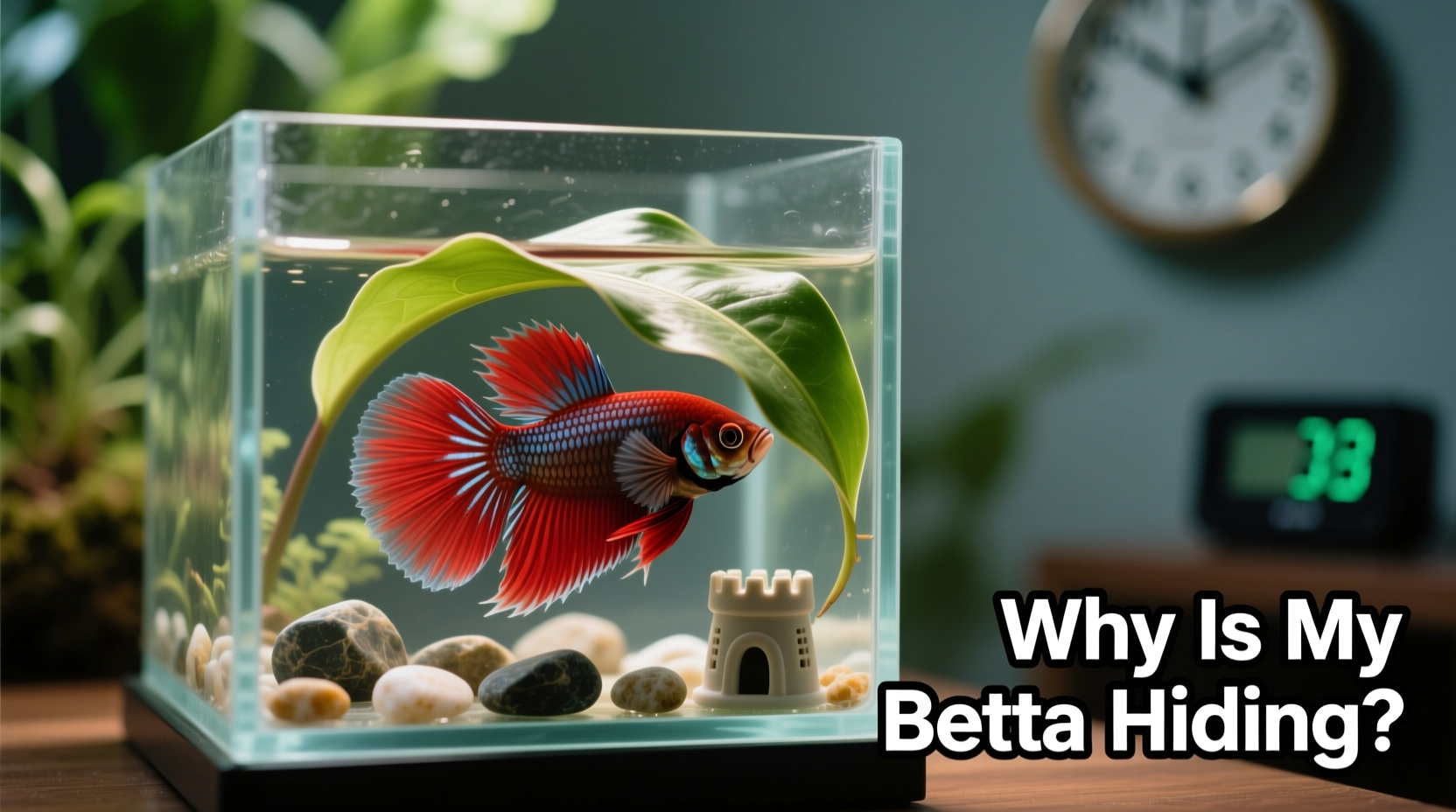
Bettas are naturally curious but also territorial and occasionally reclusive. It's normal for a betta to explore its environment, flare at reflections, and rest near plants or decorations. However, occasional hiding should not be confused with constant seclusion. A healthy betta will still swim actively throughout the day, respond to movement outside the tank, and eagerly accept food during feeding times.
When a betta hides continuously—especially if it remains motionless at the bottom of the tank, clamps its fins, or shows color fading—it signals distress. Refusing food for more than 48 hours compounds the concern, as malnutrition weakens the immune system and accelerates decline. The combination of hiding and appetite loss is rarely due to one isolated factor; instead, it typically results from environmental stressors, illness, or improper care practices.
Common Causes of Hiding and Loss of Appetite
Several interrelated factors can trigger these behaviors. Identifying the root cause requires careful observation and assessment of tank conditions.
1. Poor Water Quality
Ammonia, nitrite, and high nitrate levels are among the most frequent culprits. Even trace amounts of ammonia (above 0 ppm) can burn gills and damage internal organs. Bettas are especially sensitive to water chemistry imbalances because they originate from clean, slow-moving waters in Southeast Asia.
Cloudy water, algae blooms, or a strong odor from the tank are visible signs of poor quality. However, many dangerous parameters are invisible without testing. A sudden spike in toxins can cause rapid behavioral changes, including lethargy, hiding, and refusal to eat.
2. Incorrect Water Temperature
Bettas are tropical fish requiring a stable temperature between 76°F and 80°F (24°C–27°C). Temperatures below 74°F slow metabolism significantly, reducing appetite and activity. Cold water makes them sluggish, prompting them to hide and conserve energy.
Conversely, water above 82°F increases metabolic rate unnaturally, causing stress and oxygen depletion. Both extremes suppress immune function, making the fish vulnerable to disease.
3. Inadequate Tank Size and Environment
Despite myths, bettas do not thrive in small bowls or vases. A minimum of 5 gallons is necessary for stable water parameters and room to swim. Tanks smaller than this fluctuate rapidly in temperature and chemistry, creating chronic stress.
Lack of hiding spots can paradoxically cause stress too. While too much cover may encourage hiding, a completely bare tank offers no security. Bettas need a balance—plants, caves, or driftwood where they can retreat when feeling threatened.
4. Illness and Disease
Common ailments like fin rot, ich (white spot disease), internal parasites, or bacterial infections often begin subtly. Early symptoms include clamped fins, labored breathing, white spots, or bloating. As the condition progresses, the fish withdraws and stops eating.
Internal parasites, for example, directly affect digestion, leading to appetite loss. Ich causes intense irritation, prompting the fish to rub against objects and hide to avoid perceived threats.
5. Environmental Stressors
External disturbances play a major role. Vibrations from nearby appliances, loud noises, or constant bright lighting can overwhelm a betta’s senses. Reflections on glass may trigger territorial flaring, exhausting the fish over time. Even aggressive tank mates—or the presence of mirrors left too long—can lead to chronic stress and withdrawal.
“Bettas are bioindicators of their environment. When they stop eating and hide, it’s not laziness—it’s a cry for help.” — Dr. Laura Chen, Aquatic Veterinarian
Action Plan: Diagnosing and Fixing the Problem
Restoring your betta’s health begins with systematic troubleshooting. Follow this step-by-step process to identify and correct issues.
Step 1: Test Water Parameters
Use a liquid test kit (not strips, which are less accurate) to measure:
- Ammonia – should be 0 ppm
- Nitrite – should be 0 ppm
- Nitrate – under 20 ppm is ideal
- pH – between 6.5 and 7.5 is safe
If any parameter is off, perform a 30–50% water change immediately using dechlorinated water matched to the tank temperature.
Step 2: Check and Adjust Temperature
Verify the temperature with a reliable thermometer. If using a heater, ensure it’s functioning properly and rated for your tank size. Never rely on room temperature to keep the water warm.
Step 3: Evaluate Tank Setup
Ensure the tank is at least 5 gallons with a gentle filter. Strong currents can stress bettas, so adjust flow or use a baffle. Add live or silk plants for cover, and remove any sharp decorations that could damage fins.
Step 4: Assess for Signs of Illness
Look closely for:
- White spots (ich)
- Frayed or discolored fins (fin rot)
- Swollen abdomen (dropsy or constipation)
- Rapid gill movement (respiratory distress)
If illness is suspected, isolate the fish only if you have a quarantine tank. Otherwise, treat the main tank with appropriate medication after confirming diagnosis.
Step 5: Reduce External Stress
Place the tank in a quiet area away from foot traffic, TVs, or windows with direct sunlight. Turn off lights at night—betta fish need 8–10 hours of darkness. Avoid tapping the glass or placing mirrors near the tank.
Feeding Issues and Dietary Solutions
A betta refusing food isn’t always sick. Sometimes, the issue lies in diet or feeding habits.
Overfeeding is common. Uneaten food decays, polluting the water and promoting harmful bacteria. Bettas only need 2–3 pellets or a few frozen brine shrimp per feeding, twice daily. Fasting one day per week helps prevent constipation and supports digestive health.
Food variety matters. A monotonous diet leads to boredom and reduced appetite. Rotate between high-quality pellet foods, freeze-dried bloodworms, and frozen brine shrimp. Soak dry food briefly before feeding to prevent bloating.
If your betta hasn’t eaten in 3 days, try hand-feeding with a favorite treat like a thawed bloodworm. Use tweezers or a feeding stick to dangle food near the surface. Movement can trigger hunting instinct.
| Diet Type | Frequency | Benefits | Cautions |
|---|---|---|---|
| High-quality pellets | Once daily | Balanced nutrition | Soak before feeding |
| Frozen brine shrimp | 2–3 times/week | Promotes activity | Thaw completely |
| Freeze-dried bloodworms | Once/week | High protein | Rehydrate first |
| Fasting day | One day/week | Aids digestion | No food given |
Case Study: Reviving a Withdrawn Betta
Sarah noticed her blue crown-tail betta, Zeus, had stopped swimming and was hiding behind the filter for three days. He ignored his usual pellet feedings. Concerned, she tested her 3-gallon tank and found ammonia at 1.0 ppm and temperature at 72°F.
She upgraded to a 5-gallon tank with a cycled filter and installed a heater. After two 40% water changes and stabilizing temperature at 78°F, Zeus began to peek out. On day four, he nibbled a soaked pellet. Within a week, he resumed flaring at his reflection and accepted frozen brine shrimp. Sarah now tests water weekly and feeds a varied diet, and Zeus has remained active and healthy for six months.
This case illustrates how multiple factors—small tank size, poor water quality, and low temperature—combined to suppress behavior and appetite. Addressing each element systematically led to full recovery.
Preventive Checklist for Long-Term Health
To avoid future episodes, follow this routine maintenance checklist:
- Test water weekly for ammonia, nitrite, nitrate, and pH
- Maintain temperature between 76°F–80°F with a reliable heater
- Perform 30% water changes every 7–10 days
- Feed a varied diet with one fasting day per week
- Provide hiding spots with silk plants or ceramic caves
- Keep tank in a low-traffic, quiet area
- Avoid overcrowding or incompatible tank mates
- Observe behavior daily for early warning signs
Frequently Asked Questions
How long can a betta fish go without eating?
Healthy adult bettas can survive up to 10–14 days without food, but going beyond 3 days is risky. Prolonged fasting weakens immunity and can lead to organ failure. If your betta refuses food for more than 48 hours, investigate water quality and health immediately.
Is it normal for a betta to hide after a water change?
Some temporary hiding is normal if the water parameters changed drastically (e.g., large pH shift or temperature difference). Always match new water to tank conditions. If the fish doesn’t resume normal behavior within 24 hours, check for stress or injury.
Can a stressed betta recover fully?
Yes, most bettas recover well once stressors are removed. Stable water, proper diet, and a calm environment allow them to regain strength. Recovery may take several days to weeks depending on severity, but consistent care yields positive results.
Conclusion: Act Now, Prevent Future Problems
A betta fish hiding all day and refusing food is not being stubborn—it’s signaling distress. Whether the cause is poor water quality, incorrect temperature, illness, or environmental stress, timely intervention can make the difference between recovery and loss. By understanding betta biology and providing species-appropriate care, you create a thriving environment where your fish can express natural behaviors and maintain robust health.
Start today: test your water, verify your heater, assess your tank setup, and observe your betta closely. Small adjustments can lead to dramatic improvements. Share your experience or questions with fellow aquarists—your insight might help someone else save their fish.




 浙公网安备
33010002000092号
浙公网安备
33010002000092号 浙B2-20120091-4
Comments
No comments yet. Why don't you start the discussion?