
Betta fish are known for their vibrant colors, flowing fins, and bold personalities. Many owners expect them to be active, curious swimmers—so when a betta starts hiding all day, it can trigger worry. While occasional hiding is normal, persistent reclusiveness may signal underlying issues ranging from environmental stress to illness. Understanding the reasons behind this behavior—and knowing when intervention is necessary—is essential for maintaining your betta’s health and well-being.
This guide explores the common causes of excessive hiding in bettas, distinguishes between harmless habits and red flags, and provides actionable steps to ensure your fish thrives.
Understanding Normal Betta Behavior
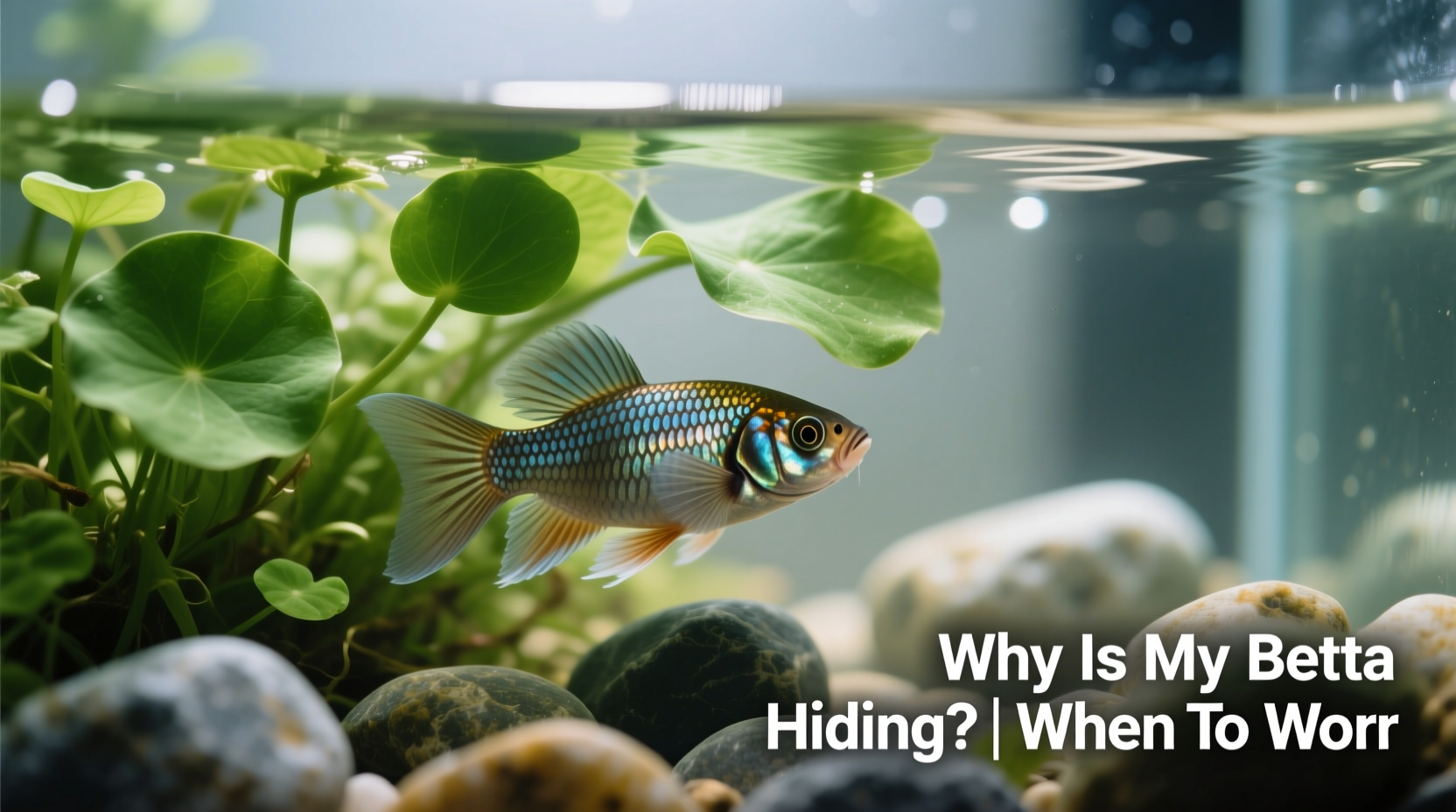
Bettas are naturally territorial and somewhat solitary fish. In the wild, they inhabit shallow rice paddies, slow-moving streams, and densely vegetated waters where cover is abundant. This evolutionary background means that seeking shelter is instinctive—not inherently alarming.
In home aquariums, bettas often establish favorite spots: behind decorations, under leaves, or nestled into caves. It’s not unusual for a healthy betta to retreat during certain times of the day, especially after feeding or during periods of low light. Some bettas even nap vertically or rest on the substrate, appearing motionless for minutes at a time.
The key distinction lies in consistency and context. A fish that hides occasionally but remains alert, eats regularly, and displays normal swimming patterns is likely just exhibiting natural behavior. However, if your betta is constantly concealed, refuses food, or shows physical changes, deeper investigation is warranted.
Common Reasons Why Betta Fish Hide
Several factors can influence a betta’s tendency to hide. These range from environmental conditions to psychological stressors and health concerns.
1. Inadequate Tank Setup
A bare or overly bright tank can make a betta feel exposed and vulnerable. Without proper hiding places like plants, driftwood, or ceramic caves, bettas may become stressed and seek any available cover—even pressing against the glass or wedging themselves into corners.
2. Poor Water Conditions
Ammonia, nitrite, or high nitrate levels irritate gills and skin, causing discomfort. Bettas may respond by reducing activity and hiding. Sudden changes in pH, temperature fluctuations (especially below 76°F), or improper water hardness also contribute to stress-induced seclusion.
3. Overstimulation or Environmental Stress
Bright lights, loud noises, frequent tapping on the glass, or aggressive tank mates can overwhelm a sensitive betta. Even reflections from nearby windows or TVs might provoke territorial responses, leading the fish to withdraw.
4. Acclimation Period
Newly introduced bettas often hide for days as they adjust to unfamiliar surroundings. This is particularly true when transitioning from small cups or pet store tanks to larger home aquariums. Given time and stability, most settle within 3–5 days.
5. Illness or Physical Discomfort
Hiding becomes concerning when paired with symptoms like clamped fins, labored breathing, bloating, white spots, or loss of appetite. Diseases such as fin rot, ich, or internal infections cause pain and lethargy, prompting bettas to isolate themselves.
6. Breeding or Nest-Building Behavior
Male bettas construct bubble nests as part of mating rituals. During this process, they may spend extended time near the surface, guarding the nest and retreating into cover intermittently. This behavior is normal unless accompanied by aggression or illness.
“Bettas are intelligent and perceptive fish. Their environment directly impacts their sense of safety. A well-designed tank reduces stress and encourages natural, observable behaviors.” — Dr. Lena Patel, Aquatic Veterinarian
When Should You Be Concerned?
Not every instance of hiding requires immediate action. The following table outlines key indicators to help differentiate between benign behavior and potential problems:
| Behavior/Sign | Normal (Not Concerning) | Abnormal (Cause for Concern) |
|---|---|---|
| Hiding Frequency | Occasional, short durations | Constant throughout the day for multiple days |
| Eating Habits | Regular appetite, eats promptly | Refuses food for more than 24 hours |
| Swimming Pattern | Active bursts, normal buoyancy | Lethargic, floating sideways, sinking |
| Physical Appearance | Clear eyes, full fins, vibrant color | Frayed fins, cloudiness, spots, bloating |
| Respiratory Rate | Steady gill movement | Rapid gilling or gasping at surface |
If your betta exhibits two or more abnormal signs alongside constant hiding, it’s time to take action. Delaying intervention can lead to worsening conditions, especially since bettas often mask illness until it’s advanced.
Step-by-Step Guide to Assess and Improve Your Betta’s Environment
Follow this timeline to systematically evaluate and address potential causes of hiding behavior:
- Day 1: Conduct a Full Water Test
Use a liquid test kit to check ammonia, nitrite, nitrate, pH, and temperature. Ideal parameters:- Temperature: 78–80°F (25–27°C)
- pH: 6.5–7.5
- Ammonia & Nitrite: 0 ppm
- Nitrate: Below 20 ppm
- Day 2: Evaluate Tank Setup
Ensure the tank includes:- At least one secure hiding spot (e.g., live or silk plants, PVC pipe, resin cave)
- Low to moderate lighting (avoid direct sunlight)
- No sharp or abrasive decorations that could damage fins
- Day 3: Monitor Feeding and Interaction
Offer high-quality pellets or frozen foods once daily. Watch whether your betta approaches the food. If ignored, try varying feeding times or types (e.g., bloodworms). Avoid overfeeding—two to three pellets twice a day is sufficient. - Day 4: Reduce External Stressors
Place the tank in a quiet area away from foot traffic, loud appliances, or vibrations. Turn off nearby electronics that cast moving lights. Cover three sides of the tank temporarily with non-reflective material if your betta reacts to outside movement. - Day 5–7: Observe Closely
Keep a log of behavior: eating, swimming, hiding duration, fin position, breathing rate. Note any improvements or deteriorations. If no progress is seen by Day 7, suspect illness.
Tips for Creating a Comfortable Habitat
- Use a gentle filter with adjustable flow—betta fish dislike strong currents.
- Maintain a consistent light cycle (8–10 hours/day) with a timer to avoid sudden on/off shifts.
- Never house male bettas together—they are highly aggressive and will fight, causing chronic stress.
- Consider adding snails or shrimp as peaceful tank mates, but only in tanks 5 gallons or larger with ample hiding spaces.
Mini Case Study: Recovering a Stressed Betta
Sarah adopted a betta named Azure from a local pet store. He was kept in a small cup with no filtration and minimal cover. After transferring him to a heated 5-gallon tank with live plants and a cave, she noticed he hid continuously for four days and refused food.
Instead of panicking, Sarah followed a structured approach. She tested the water (ammonia was slightly elevated at 0.25 ppm), performed a 30% water change, added a bacterial supplement, and dimmed the lights. By Day 6, Azure began exploring and accepted a single bloodworm. Within ten days, he was swimming confidently, flaring at his reflection, and building bubble nests.
Sarah’s patience and methodical care prevented unnecessary medication and allowed Azure to acclimate safely—a reminder that time and stable conditions often resolve behavioral issues.
Checklist: Is Your Betta Hiding Due to a Fixable Issue?
Use this checklist to troubleshoot potential causes:
- ✅ Water temperature stable between 78–80°F?
- ✅ Ammonia, nitrite, and nitrate levels within safe range?
- ✅ At least one secure hiding place provided?
- ✅ Lighting not too bright or erratic?
- ✅ No aggressive tank mates present?
- ✅ Filter flow gentle, not creating strong current?
- ✅ Feeding appropriate portions of quality food?
- ✅ No recent loud noises or disturbances near the tank?
If all items are checked and your betta still hides excessively, illness is likely. Consult an aquatic veterinarian or experienced breeder for diagnosis.
Frequently Asked Questions
Can a happy betta fish still hide sometimes?
Yes. Even confident, healthy bettas take breaks. They may rest behind plants, hover near the surface, or sit on the substrate. As long as they emerge regularly, eat well, and show no physical symptoms, occasional hiding is perfectly normal.
How long is too long for a new betta to hide?
Most bettas begin exploring within 2–4 days of being introduced to a new tank. If your fish hasn’t emerged or eaten after 5 full days despite optimal conditions, investigate further. Consider stress, poor acclimation, or pre-existing illness.
Should I remove my betta from the tank if he won’t come out?
No. Removing a stressed fish adds more trauma. Instead, improve water quality, add cover, reduce stimuli, and allow time. Only net and relocate if emergency treatment (like medicated baths) is required under expert guidance.
Conclusion: Promoting Confidence and Health in Your Betta
A betta fish that hides all day isn’t always in danger—but it’s a signal worth interpreting. By understanding natural instincts, optimizing tank conditions, and monitoring for warning signs, you can foster an environment where your betta feels secure enough to thrive.
Remember, prevention is far more effective than treatment. Regular maintenance, thoughtful setup, and attentive observation go a long way in supporting your betta’s mental and physical health. If in doubt, document behavior, consult reliable sources, and don’t hesitate to seek professional advice.




 浙公网安备
33010002000092号
浙公网安备
33010002000092号 浙B2-20120091-4
Comments
No comments yet. Why don't you start the discussion?