
Betta fish are known for their vibrant colors, flowing fins, and bold personalities. When a normally active betta suddenly begins spending most of its time tucked away in a corner or behind decorations, it can be concerning. While occasional hiding is natural, persistent seclusion often signals an underlying issue. Understanding the reasons behind this behavior—and knowing how to respond—can make the difference between a stressed, unhealthy fish and a thriving one. This guide explores the most common causes of excessive hiding in bettas and provides actionable, science-backed solutions to restore your pet’s confidence and well-being.
Understanding Normal vs. Abnormal Hiding Behavior
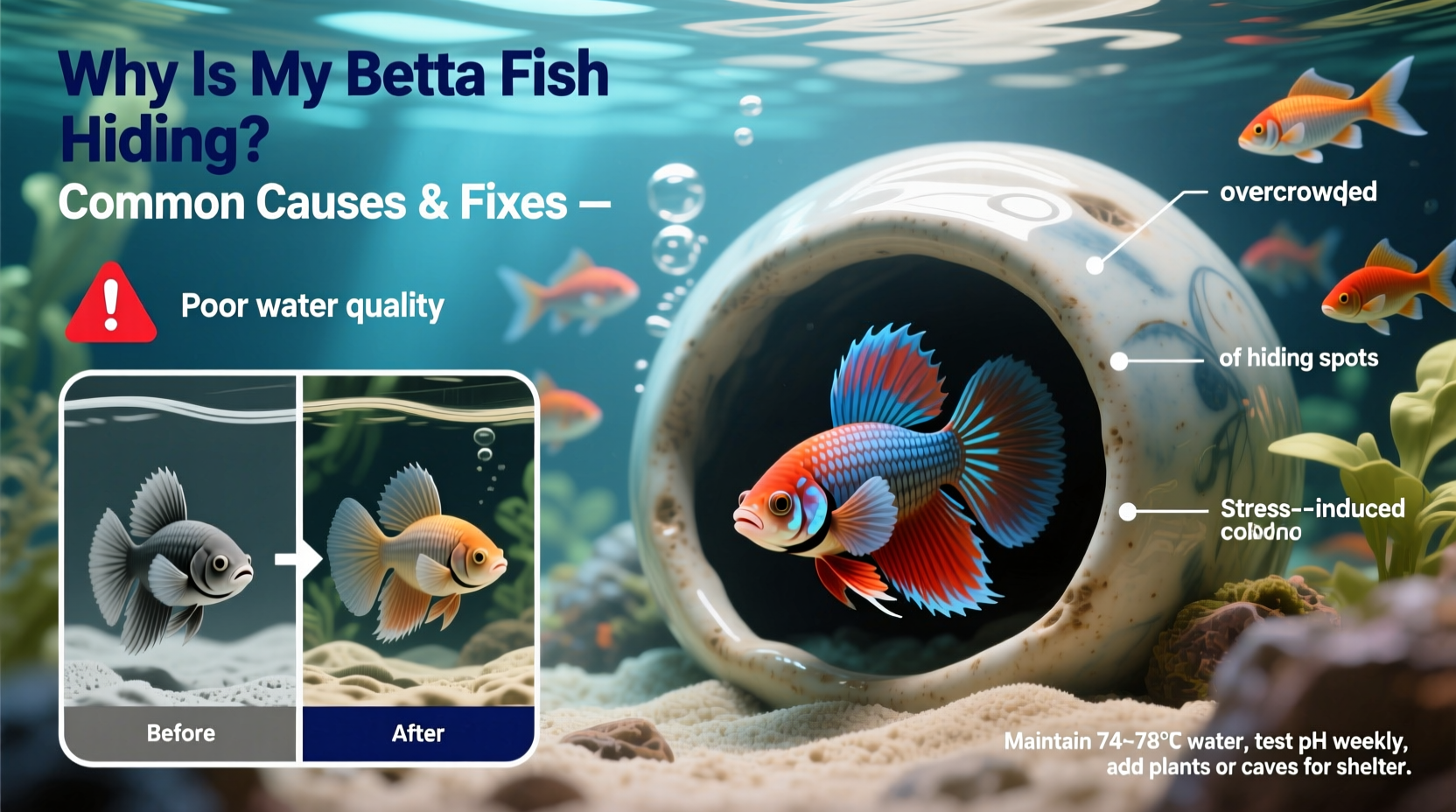
All betta fish exhibit some degree of hiding, especially when first introduced to a new tank. This instinctive behavior stems from their natural habitat in shallow rice paddies, slow-moving streams, and dense vegetation across Southeast Asia. In the wild, cover offers protection from predators and relief from strong currents. Therefore, short-term hiding during acclimation—typically lasting 1–3 days—is normal and should not cause alarm.
However, prolonged or sudden changes in behavior warrant attention. Signs that hiding has become problematic include:
- Refusing to come out even during feeding times
- Lying at the bottom of the tank for hours without movement
- Loss of appetite or color fading
- Rapid gill movement or clamped fins
- Avoiding interaction despite being previously curious
If these behaviors persist beyond the initial adjustment period, it's essential to investigate environmental, biological, and psychological factors contributing to stress.
Common Causes of Excessive Hiding in Betta Fish
1. Poor Water Quality
Water conditions are the single most influential factor in a betta’s health and behavior. Ammonia, nitrite, and high nitrate levels—even at sub-lethal concentrations—can cause chronic stress, leading to lethargy and reclusive behavior. Cloudy water, algae blooms, or foul odors are visible indicators, but invisible toxins are often the real culprits.
A poorly cycled tank or infrequent water changes disrupt the nitrogen cycle, allowing harmful compounds to accumulate. Bettas may hide to escape irritation caused by poor water chemistry, which affects their gills and skin.
2. Inadequate Tank Size and Setup
Despite myths about bettas surviving in small bowls, they require a minimum of 5 gallons to thrive. Tanks smaller than this limit water stability, increase toxin buildup, and restrict swimming space, all of which contribute to stress-induced hiding.
Additionally, tanks lacking proper decor such as live or silk plants, caves, or driftwood deprive bettas of necessary shelter. Paradoxically, too much open space can make them feel exposed and vulnerable, prompting them to seek refuge constantly.
3. Incorrect Water Temperature
Bettas are tropical fish that require stable water temperatures between 76°F and 80°F (24°C–27°C). Temperatures below this range slow their metabolism, making them sluggish and prone to hiding. Cold water also suppresses immune function, increasing susceptibility to disease.
Conversely, overheating above 82°F can cause distress, gasping at the surface, and erratic behavior. Fluctuations due to unregulated room temperature or faulty heaters create unstable environments that discourage exploration.
4. Lack of Enrichment and Stimulation
Bettas are intelligent and curious animals. A单调 (monotonous) environment with no visual variety, movement, or interactive elements leads to boredom and withdrawal. Without stimulation, they may lose interest in swimming and retreat into hiding spots permanently.
Reflective surfaces, such as mirrors or glass walls, can also confuse bettas, making them feel threatened by their own reflection. Prolonged exposure may result in stress-related seclusion.
5. Illness or Parasites
Hiding is often one of the earliest signs of illness. Conditions such as fin rot, ich (white spot disease), swim bladder disorder, or internal parasites manifest through behavioral changes before physical symptoms appear.
For example, a betta suffering from swim bladder issues may struggle to maintain buoyancy and remain at the bottom, mistaken for laziness. Similarly, parasitic infections like anchor worms or fungal growths cause discomfort, prompting the fish to isolate itself.
“Persistent hiding in bettas is rarely just shyness—it’s usually a cry for help. The key is to assess water parameters first, then look for subtle signs of disease.” — Dr. Alicia Nguyen, Aquatic Veterinarian
Step-by-Step Guide to Diagnose and Fix Hiding Behavior
Follow this systematic approach to identify and resolve the root cause of your betta’s reclusive behavior:
- Test Water Parameters: Use a liquid test kit to check ammonia, nitrite, nitrate, pH, and temperature. Ideal readings:
- Ammonia: 0 ppm
- Nitrite: 0 ppm
- Nitrate: Below 20 ppm
- pH: 6.5–7.5
- Temperature: 76–80°F (24–27°C)
- Perform a Partial Water Change: Replace 25–50% of the water with dechlorinated, temperature-matched water. Repeat every 3–4 days if parameters are off.
- Inspect Equipment: Ensure the heater is functioning correctly and maintaining stable warmth. Confirm filter flow isn’t too strong—betta fins cannot handle powerful currents.
- Evaluate Tank Setup: Add hiding places like ceramic caves, coconut shells, or live plants (e.g., java fern, hornwort). Balance coverage with open swimming areas.
- Observe for Physical Symptoms: Look for white spots, frayed fins, bloating, or labored breathing. Isolate and treat if illness is suspected using appropriate medication.
- Introduce Environmental Enrichment: Place a safe mirror near the tank briefly (no more than 2 minutes) to stimulate activity. Rotate decorations monthly to provide novelty.
- Monitor Feeding Habits: Offer high-quality pellets or frozen foods once or twice daily. Remove uneaten food after 2 minutes to prevent decay.
Do’s and Don’ts: Quick Reference Table
| Do’s | Don’ts |
|---|---|
| Provide 5+ gallon tank with heater and filter | Keep betta in a bowl or cup long-term |
| Use live or silk plants for cover | Use sharp or rough decorations that damage fins |
| Maintain consistent water temperature | Allow temperature swings or cold drafts |
| Test water weekly | Ignore cloudy water or odor |
| Offer mental stimulation (safe mirrors, varied layout) | Tap on glass or overuse mirrors |
Real-Life Example: Reviving a Withdrawn Betta
Mark adopted a male betta named Zephyr from a local pet store. Initially active, Zephyr began hiding behind the filter within a week. He stopped flaring at his reflection and barely responded to feeding.
After ruling out aggression (he was alone), Mark tested the water and found 1.0 ppm ammonia and 0.5 ppm nitrite—clear signs of an uncycled tank. He upgraded from a 1-gallon bowl to a cycled 5-gallon aquarium with a sponge filter, added live plants, and installed a reliable heater.
Within five days of regular 30% water changes and improved nutrition, Zephyr began exploring again. Two weeks later, he resumed flaring at his reflection and swimming confidently. His color deepened, and he interacted during feeding times. The transformation highlighted how critical environment and water quality are to a betta’s sense of security.
Preventative Checklist for a Happy, Active Betta
Use this checklist weekly to ensure your betta remains healthy and engaged:
- ✅ Test water parameters (ammonia, nitrite, nitrate, pH)
- ✅ Check heater function and water temperature
- ✅ Clean filter media gently in old tank water (never tap water)
- ✅ Inspect betta for signs of illness or injury
- ✅ Feed high-quality food and remove leftovers
- ✅ Verify hiding spots are secure and non-abrasive
- ✅ Rotate or rearrange décor every few weeks for enrichment
- ✅ Avoid loud noises, vibrations, or direct sunlight on the tank
Frequently Asked Questions
Is it normal for my betta to hide after a water change?
Yes, mild hiding for a few hours after a water change is common, especially if parameters shifted rapidly. Ensure new water matches the tank in temperature and is properly dechlorinated. If hiding persists beyond a day, reassess water quality and acclimation methods.
Can other fish cause my betta to hide?
Absolutely. Bettas are territorial and easily stressed by fast-moving or aggressive tank mates like tetras, barbs, or goldfish. Even peaceful species can intimidate if they occupy preferred zones. If you suspect harassment, consider separating the betta or choosing more compatible companions such as snails or shrimp.
How long should I wait before worrying about hiding?
If your betta hides continuously for more than 3–4 days post-acclimation, or if it stops eating and shows physical deterioration, intervene immediately. Early action prevents minor issues from escalating into life-threatening conditions.
Final Thoughts: Creating a Safe and Stimulating Home
A betta fish that feels safe, warm, and mentally engaged will naturally spend less time hiding and more time displaying its unique personality. The solution rarely lies in a single fix but in the cumulative effect of consistent care—stable water, appropriate space, thoughtful decor, and attentive observation.
Remember, hiding is not inherently bad; it becomes a concern only when it replaces normal activity. By addressing the root causes outlined here, you empower your betta to thrive, not just survive. Small adjustments today can lead to years of vibrant, interactive companionship tomorrow.




 浙公网安备
33010002000092号
浙公网安备
33010002000092号 浙B2-20120091-4
Comments
No comments yet. Why don't you start the discussion?