
Bug bites are a common annoyance, especially during warmer months. While most resolve on their own with minimal discomfort, some bites can become inflamed, itchy, and even begin to ooze fluid. When this happens, it’s natural to wonder whether the reaction is normal or a sign of something more serious. Oozing from a bug bite isn’t always cause for alarm, but understanding the underlying causes, recognizing key symptoms, and knowing when to seek medical attention can prevent complications and promote faster healing.
What Causes a Bug Bite to Ooze?
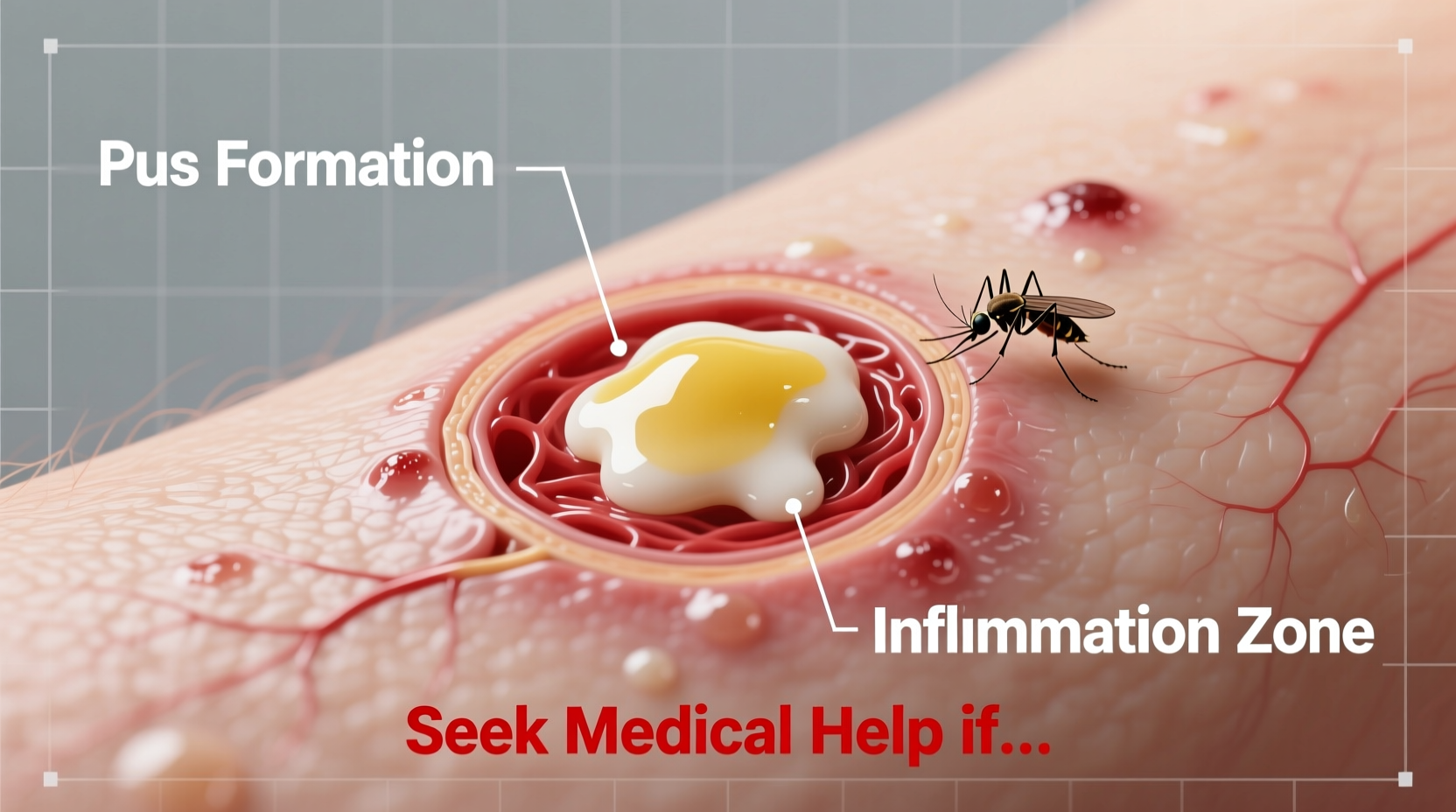
Oozing from a bug bite typically occurs when the skin’s surface has been broken, either by the insect itself or due to scratching. Insects like mosquitoes, fleas, ticks, and biting flies inject saliva into the skin during feeding, triggering an immune response that leads to redness, swelling, and itching. When you scratch the area, you compromise the skin barrier, allowing fluids—such as serum, pus, or blood—to seep out.
The fluid may appear clear (serous drainage), yellowish (indicating early pus formation), or even tinged with blood. This exudate is part of the body’s inflammatory process, designed to flush out pathogens and initiate healing. However, persistent or increasing discharge often signals infection rather than routine healing.
Common Symptoms Associated with Oozing Bug Bites
An oozing bite may come with a range of symptoms, varying in severity. Recognizing these can help determine whether the reaction is typical or requires intervention.
- Redness and swelling: Mild inflammation around the bite is normal; expanding redness suggests infection.
- Itching or burning: Common initially, but worsening discomfort may indicate irritation or secondary infection.
- Warmth at the site: A warm patch around the bite is a classic sign of localized infection.
- Pus or cloudy discharge: Yellow or green fluid indicates bacterial involvement.
- Increasing pain: Pain that intensifies over time, rather than improving, warrants evaluation.
- Spreading rash: Red streaks extending from the bite may signal lymphangitis, a spreading infection.
In some cases, systemic symptoms such as fever, chills, fatigue, or swollen lymph nodes near the bite area develop, which point to a more serious condition requiring prompt medical attention.
When Oozing Is a Sign of Infection
While minor oozing can be part of the healing process, certain signs strongly suggest a bacterial infection, most commonly caused by Staphylococcus aureus or Streptococcus species introduced through scratching.
“Infections from insect bites are more common than people realize. Breaking the skin—even slightly—can allow everyday skin bacteria to invade deeper tissues.” — Dr. Lena Torres, Board-Certified Dermatologist
Infected bites may progress to impetigo (a superficial skin infection) or cellulitis (a deeper tissue infection). Cellulitis, in particular, can spread rapidly if untreated and may require oral or intravenous antibiotics.
Key Indicators of Infection
| Symptom | Normal Healing | Possible Infection |
|---|---|---|
| Discharge | Clear, minimal, short-lived | Yellow/green, thick, increasing |
| Redness | Localized, fades in days | Expanding, hot to touch |
| Pain | Mild, improves daily | Worsening, throbbing |
| Fever | Absent | Present (above 100.4°F) |
| Swelling | Minor, resolves quickly | Significant, spreading |
Step-by-Step Guide: What to Do If Your Bug Bite Is Oozing
If you notice your bug bite is oozing, follow these steps to minimize complications and support healing:
- Clean the area gently: Wash with lukewarm water and mild soap. Pat dry with a clean towel—do not rub.
- Apply an antiseptic: Use hydrogen peroxide or an over-the-counter antibacterial ointment like bacitracin.
- Cover the bite: Use a sterile bandage to protect the wound and reduce contamination risk.
- Reduce itching: Apply hydrocortisone cream or take an oral antihistamine (e.g., cetirizine) to curb the urge to scratch.
- Elevate if swollen: If the bite is on a limb and swelling is present, elevate it to reduce fluid buildup.
- Monitor daily: Check for changes in size, color, pain level, or new symptoms.
- Seek medical help if: Signs of infection appear or worsen after 24–48 hours.
Mini Case Study: When a Mosquito Bite Turned Serious
Sarah, a 34-year-old hiker, returned from a weekend trail trip with several mosquito bites on her legs. One bite on her calf began itching intensely. Despite using anti-itch cream, she scratched it frequently, eventually causing the skin to break and ooze clear fluid. Over the next two days, the area became increasingly red, warm, and painful. Red streaks appeared leading up her leg, and she developed a fever of 101.5°F.
She visited an urgent care clinic, where she was diagnosed with cellulitis. The physician prescribed a 10-day course of oral antibiotics and advised rest and elevation. Within three days of starting treatment, her symptoms improved significantly. Sarah later admitted she didn’t realize how quickly a simple bite could escalate. Her experience highlights the importance of monitoring wounds and acting early.
When to Worry: Red Flags That Require Medical Attention
Most bug bites heal within a week without complications. However, certain warning signs should never be ignored. Seek immediate medical evaluation if you experience any of the following:
- Red streaks radiating from the bite
- Fever above 100.4°F (38°C)
- Swollen lymph nodes near the affected area
- Increasing pain, swelling, or warmth
- Pus-filled blisters or abscess formation
- Nausea, dizziness, or confusion
- Difficulty breathing or facial swelling (signs of anaphylaxis)
In rare cases, insect bites can transmit diseases such as Lyme disease (from ticks), Rocky Mountain spotted fever, or Zika virus. If you recall being bitten by a tick or live in or have traveled to an endemic area, mention this to your healthcare provider.
FAQ
Can an oozing bug bite heal on its own?
Yes, minor oozing due to scratching can resolve with proper cleaning and care. However, if signs of infection develop, medical treatment may be needed to prevent worsening.
Is it safe to pop a blister from a bug bite?
No. Popping a blister increases the risk of infection and delays healing. Allow it to drain naturally if necessary, and keep the area covered and clean.
How long should a bug bite ooze before I get worried?
Oozing should subside within 1–2 days. If drainage persists beyond 48 hours, becomes thicker or discolored, or is accompanied by fever or spreading redness, consult a doctor.
Prevention Checklist
Reduce your risk of problematic bug bites with this actionable checklist:
- ✅ Use EPA-approved insect repellents (DEET, picaridin, oil of lemon eucalyptus)
- ✅ Wear long sleeves and pants in wooded or grassy areas
- ✅ Check your body for ticks after outdoor activities
- ✅ Treat pets for fleas and ticks regularly
- ✅ Keep windows screened and use bed nets if necessary
- ✅ Avoid scratching bites—use cold compresses instead
- ✅ Keep a first-aid kit with antiseptics and bandages handy
Conclusion
An oozing bug bite isn't always dangerous, but it's a signal that your skin has been compromised. Understanding the difference between normal healing and infection can protect your health and prevent minor irritations from turning into serious conditions. With proper care, most bites improve quickly. But when symptoms escalate—especially spreading redness, fever, or increasing pain—don’t wait. Prompt medical attention can stop infections in their tracks and get you back to feeling well.




 浙公网安备
33010002000092号
浙公网安备
33010002000092号 浙B2-20120091-4
Comments
No comments yet. Why don't you start the discussion?