
When you pull out the dipstick and see that your car’s engine oil has turned black, it can be unsettling. But in many cases, dark or black oil is completely normal. Engine oil is designed to clean internal components, and as it does so, it collects contaminants that darken its color. However, there are situations where black oil signals a deeper problem—especially if accompanied by unusual symptoms. Understanding the difference between expected wear and potential trouble is essential for maintaining your vehicle’s longevity and performance.
How Engine Oil Works and Why It Changes Color
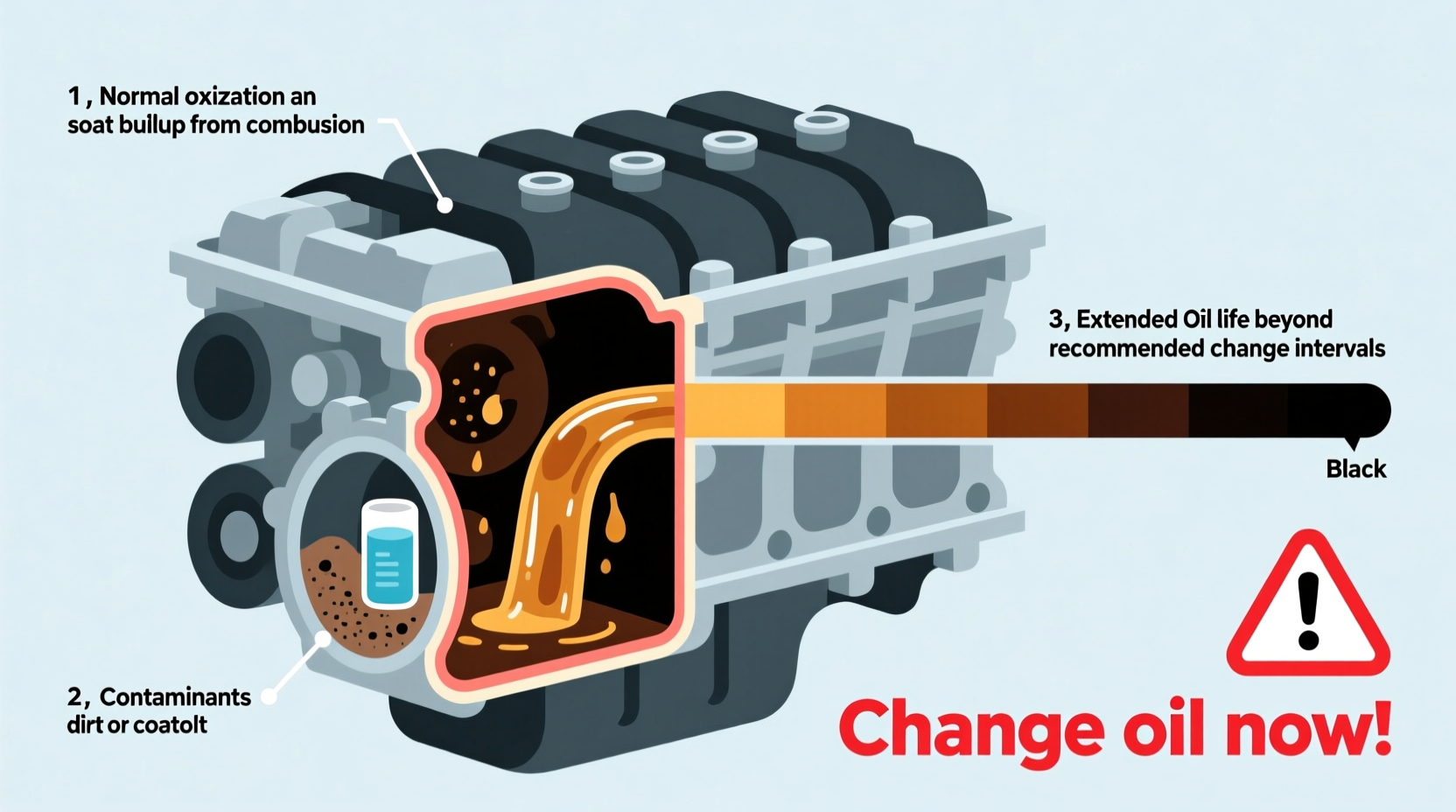
Fresh engine oil is typically amber or light brown. Once it begins circulating through the engine, it picks up carbon deposits, metal particles, dust, and combustion byproducts. These impurities cause the oil to darken over time. Most modern motor oils contain detergents and dispersants specifically formulated to suspend these contaminants, preventing sludge buildup on engine surfaces. This cleaning action is a sign the oil is doing its job.
The rate at which oil turns black depends on driving conditions. Short trips, stop-and-go traffic, and cold weather can accelerate this process because the engine doesn’t reach optimal operating temperature long enough to burn off moisture and fuel residues. Conversely, highway driving tends to keep engines cleaner due to consistent heat and circulation.
Common Reasons Why Car Oil Turns Black
Black oil isn’t inherently bad. In fact, it often means your oil is effectively doing its job. Here are the most common and harmless reasons for darkened oil:
- Normal engine operation: As oil circulates, it absorbs soot and carbon from combustion, especially in gasoline direct-injection and turbocharged engines.
- Detergent additives: Modern oils contain cleaning agents that trap dirt and hold it in suspension, leading to faster discoloration.
- Short driving cycles: Frequent cold starts prevent full evaporation of condensation and unburned fuel, which mix with oil and contribute to darkening.
- Extended oil change intervals: With synthetic oils lasting 7,500 to 15,000 miles, extended use naturally leads to darker oil.
These factors alone don’t indicate a problem. What matters more is consistency in maintenance and monitoring for other warning signs.
When Black Oil Should Raise Concerns
While black oil is often normal, certain conditions suggest underlying mechanical issues. Be alert for these red flags:
- Thick, sludgy texture: If the oil feels gummy or tar-like, it may indicate poor circulation, overheating, or contamination with coolant or fuel.
- Burning smell: A strong odor resembling burnt rubber or exhaust could mean oil is leaking onto hot engine parts or being burned in the combustion chamber.
- Excessive smoke from exhaust: Blue or gray smoke points to oil entering the combustion chamber, possibly due to worn valve seals or piston rings.
- Low oil level despite recent refill: Rapid oil consumption suggests internal leaks or burning.
- Metal flakes or grit in oil: Visible metallic particles may signal internal engine wear or damage.
If black oil appears shortly after an oil change—within just a few hundred miles—and is paired with any of these symptoms, further inspection is warranted.
Real Example: The Weekend Commuter’s Dilemma
Mark drives his 2018 sedan primarily for short errands and school drop-offs, averaging less than five miles per trip. After six months (only 3,000 miles), he checks his oil and finds it pitch black. Worried, he takes it to a mechanic. The technician explains that frequent cold starts prevent full oil warm-up, causing moisture and fuel dilution. Combined with detergent activity, this rapidly darkens the oil. No sludge, no smoke, and compression tests are normal. Verdict: the oil is dirty but functioning correctly. The fix? Take longer drives occasionally to allow the engine to fully warm up and burn off contaminants.
Expert Insight on Oil Condition Monitoring
“Oil color alone shouldn’t dictate your next service interval. We’ve seen perfectly functional engines with jet-black oil and problematic ones with deceptively clean-looking fluid. Look at viscosity, smell, and overall engine behavior.” — Daniel Reyes, ASE-Certified Master Technician
Experts emphasize that visual inspection should be part of a broader assessment. Oil analysis labs can test used oil samples for metal content, viscosity breakdown, and contamination levels—offering a far more accurate picture than color alone.
Step-by-Step Guide: What to Do When You Notice Black Oil
Follow this practical sequence to determine whether black oil is a routine occurrence or a warning sign:
- Check the oil level: Use the dipstick to ensure it’s within the recommended range. Low oil may indicate consumption or leaks.
- Assess the texture: Rub a drop between your fingers. It should feel smooth, not gritty or slimy.
- Smell the oil: A faint petroleum odor is normal; a burnt or sweet smell may indicate problems.
- Review recent driving patterns: Have you been making mostly short trips? This accelerates oil darkening.
- Inspect for exhaust smoke: Start the engine cold and watch for blue or gray smoke exiting the tailpipe.
- Consult maintenance records: How long has it been since the last oil change? High-mileage engines naturally produce dirtier oil.
- Schedule a professional inspection if: You notice sludge, rapid oil loss, knocking sounds, or warning lights.
Do’s and Don’ts of Responding to Black Oil
| Do’s | Don’ts |
|---|---|
| Monitor oil level monthly | Panic based on color alone |
| Stick to recommended oil change intervals | Ignore dashboard warning lights |
| Use the correct oil viscosity and specification | Overfill the engine trying to “dilute” dirty oil |
| Take longer drives periodically to clear condensation | Delay repairs if oil consumption is high |
| Keep records of oil changes and inspections | Use non-approved additives that may harm engine seals |
FAQ: Common Questions About Black Engine Oil
Is black oil always a sign of needing an oil change?
No. Many modern synthetic oils turn black within a few hundred miles due to their superior cleaning properties. An oil change should be based on manufacturer-recommended intervals, driving conditions, and oil life monitoring systems—not color alone.
Can bad fuel injectors cause oil to turn black faster?
Yes. Leaking or malfunctioning fuel injectors can allow excess fuel to wash down cylinder walls and mix with oil, accelerating contamination and darkening. This condition, known as fuel dilution, reduces oil viscosity and can lead to premature wear if left unchecked.
Does diesel engine oil turn black faster than gasoline engine oil?
Yes. Diesel engines produce more soot during combustion, which enters the crankcase and mixes with oil. It’s standard for diesel engine oil to appear black even immediately after a change. However, regular oil analysis is more critical in diesel applications due to higher stress and contamination risks.
Action Plan: Maintaining Healthy Oil and Engine Longevity
To keep your engine running smoothly and avoid misinterpreting normal oil darkening as a failure, adopt these best practices:
- Follow the automaker’s recommended oil type and change schedule.
- Use OEM-approved or API-certified motor oils.
- Avoid unnecessary “engine flushes,” which can dislodge debris and clog oil passages.
- Warm up the engine properly before aggressive driving.
- Install an oil pressure gauge or monitor if you drive under heavy loads or tow frequently.
Conclusion: Stay Informed, Not Alarmed
Black oil is usually a sign of effective engine cleaning, not impending failure. However, dismissing all changes in oil appearance can be just as risky as overreacting. By understanding the context—driving habits, oil age, and accompanying symptoms—you gain control over your vehicle’s health. Regular checks, informed decisions, and timely maintenance are the true keys to engine longevity.




 浙公网安备
33010002000092号
浙公网安备
33010002000092号 浙B2-20120091-4
Comments
No comments yet. Why don't you start the discussion?