
Carpet buckling—when the fabric lifts or ripples across the floor—is more than an eyesore. It creates tripping hazards, makes vacuuming difficult, and can signal deeper installation or environmental issues. While it may seem like a minor cosmetic flaw, ignoring it can lead to premature wear, mold growth, or costly replacements. Understanding the root causes and knowing how to address them ensures your carpet remains flat, functional, and long-lasting.
Understanding Carpet Buckling
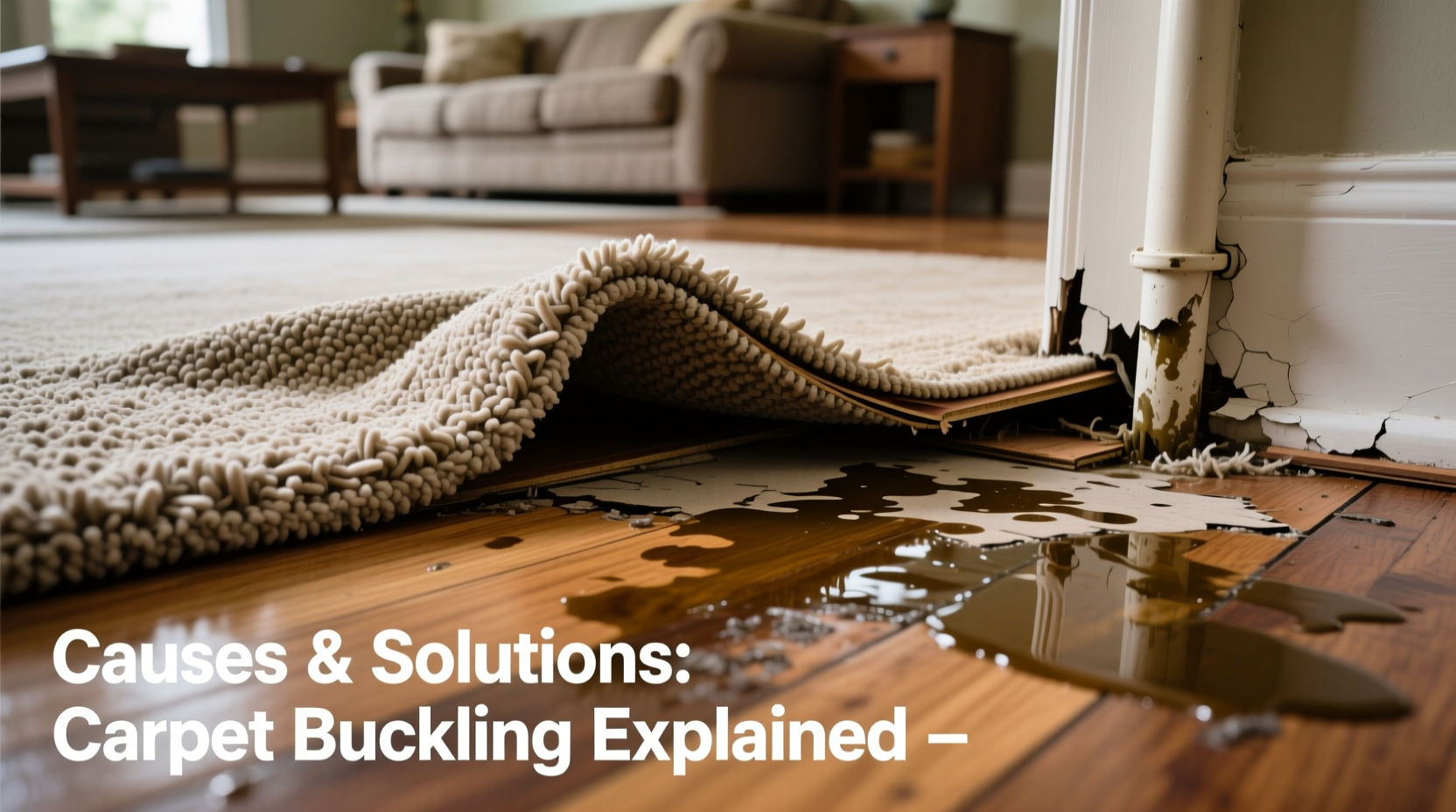
Carpet buckling occurs when the carpet loses tension and separates from the subfloor, creating waves or folds. This typically happens along seams, near walls, or in high-traffic areas. Unlike loose edges or fraying, buckling affects large sections of the carpet and cannot be fixed with simple tucking. The issue stems from improper installation, environmental shifts, or structural movement in the home.
Buckling isn't exclusive to older carpets. Even newly installed flooring can develop ripples within weeks if not properly stretched or secured. Recognizing early signs—such as slight lifting at doorways or resistance when walking—can help prevent full-scale warping.
Common Causes of Carpet Buckling
Several factors contribute to carpet buckling. Identifying the cause is essential to choosing the right repair method and preventing recurrence.
- Poor Installation: If the carpet wasn’t stretched tightly during installation or lacked proper tack strips, it’s prone to shifting and loosening over time.
- Moving Furniture: Dragging heavy items across the carpet can break its tension, especially if the padding compresses unevenly.
- Humidity and Temperature Fluctuations: Natural fibers expand in high humidity and contract in dry conditions. Repeated cycles cause the carpet to shift and ripple.
- Subfloor Issues: Uneven, warped, or damp subfloors prevent secure adhesion and promote movement.
- Aging Padding: Over time, padding flattens and loses elasticity, reducing support and allowing the carpet to slide.
- Tack Strip Failure: Rusty, missing, or improperly spaced tack strips fail to hold the carpet edge, leading to lifting.
“Carpet should be installed under tension, like a drumhead. Without that initial stretch, buckling is almost inevitable.” — Mark Reynolds, Certified Floor Installer with 25 years of experience
Solutions to Fix Buckling Carpets
Not all buckling requires full replacement. Depending on severity and cause, several repair methods can restore a smooth surface.
1. Power Stretching (Carpet Re-Stretching)
This professional technique uses a power stretcher to pull the carpet taut across the room and re-secure it to fresh tack strips. It’s the most effective solution for widespread buckling caused by poor initial installation or general loosening.
The process involves:
- Lifting the carpet edge near the wall.
- Inserting the power stretcher and applying controlled force.
- Re-stapling or re-tacking the carpet along the perimeter.
- Trimming excess and reattaching baseboards if needed.
2. Seaming and Reattachment
If buckling occurs at a seam, the joint may have come apart. A technician can lift the edges, apply new seam tape and adhesive, then heat-seal the connection. This restores continuity and prevents further separation.
3. Padding Replacement
Flattened or moisture-damaged padding fails to support the carpet. Replacing it with high-density foam or rubber padding improves resilience and reduces future movement.
4. Tack Strip Replacement
Rusted or broken tack strips won’t grip the carpet. Installing new strips every 6–8 inches around the room’s perimeter ensures consistent anchoring.
5. DIY Edge Tucking (Minor Cases Only)
For small lifts near doorways, a knee kicker tool can manually push the carpet back into place. However, this is temporary unless combined with re-stretching or tack strip repair.
Prevention Checklist: Keep Your Carpet Flat
Preventing buckling starts with proper installation and continues with regular maintenance. Follow this checklist to protect your investment:
- ✅ Hire a certified installer who uses a power stretcher and quality tack strips.
- ✅ Maintain indoor humidity between 30% and 50% to minimize fiber expansion.
- ✅ Use furniture sliders when moving heavy objects—never drag them across carpet.
- ✅ Inspect tack strips annually for rust or damage, especially in basements or humid climates.
- ✅ Replace padding every time you reinstall carpet to ensure optimal support.
- ✅ Vacuum regularly to prevent dirt buildup that can degrade fibers and padding.
Real-World Example: A Basement Carpet Recovery
In Columbus, Ohio, homeowner Lisa M. noticed her basement rec room carpet developing ripples six months after installation. Initially dismissed as “settling,” the waves worsened after a humid summer. She called a flooring specialist who diagnosed two issues: undersized tack strips placed 12 inches apart (instead of 8) and inadequate stretching during installation.
The technician replaced the tack strips, performed a full power stretch, and recommended a dehumidifier to stabilize moisture levels. Within a day, the carpet was smooth again. Two years later, no recurrence has occurred thanks to consistent climate control and annual inspections.
Do’s and Don’ts of Carpet Maintenance
| Do’s | Don’ts |
|---|---|
| Use a power stretcher for reinstallation | Install carpet without proper tack strips |
| Control indoor humidity year-round | Allow standing water or leaks near carpet |
| Lift furniture when moving | Drag sofas or dressers across the floor |
| Replace padding with each carpet change | Reuse old, compressed padding |
| Vacuum weekly with a HEPA filter | Ignore spills or stains for more than 24 hours |
Frequently Asked Questions
Can I fix buckled carpet myself?
Minor edge lifting can sometimes be corrected with a knee kicker and staple gun, but full buckling requires professional tools like a power stretcher. DIY attempts often result in uneven tension or damaged backing. For lasting results, hire a certified installer.
How much does it cost to fix buckling carpet?
Re-stretching typically costs $75–$150 per room, depending on size and accessibility. If padding or tack strips need replacement, add $1–$3 per square foot. Full replacement ranges from $3 to $8 per square foot, including removal and disposal.
Will carpet buckling come back after repair?
It shouldn’t—if the root cause is addressed. Recurrence usually points to unresolved subfloor issues, poor humidity control, or inadequate re-stretching. Proper installation and environmental management prevent future problems.
Conclusion: Restore Safety, Comfort, and Longevity
Carpet buckling is a fixable problem, but only if approached with the right knowledge and tools. Whether caused by installation errors, humidity swings, or everyday wear, the solution lies in identifying the underlying issue and taking decisive action. Ignoring ripples today could mean replacing the entire floor tomorrow.
By investing in professional stretching, maintaining stable indoor conditions, and handling furniture with care, you preserve both the appearance and lifespan of your carpet. Don’t wait until someone trips—inspect your floors now, take preventive steps, and enjoy a smoother, safer home environment.




 浙公网安备
33010002000092号
浙公网安备
33010002000092号 浙B2-20120091-4
Comments
No comments yet. Why don't you start the discussion?