
If your cat has claimed your lap as its personal throne or insists on curling up on your chest the moment you sit down, you’re not alone. Many cat owners wonder why their feline companion chooses them—over plush cat beds, sunny windowsills, or even freshly laundered laundry—as their preferred resting spot. While it may seem like a simple preference for warmth, there’s far more going on beneath the surface. A cat’s decision to lay on you is a complex blend of instinct, emotional connection, and communication.
Cats are often misunderstood as aloof or independent, but their physical closeness is one of the most meaningful forms of affection they offer. Unlike dogs, who express love through enthusiastic tail wags and licks, cats operate on subtler cues. Laying on you isn’t just about comfort—it’s a profound gesture of trust, security, and attachment. Understanding this behavior can deepen your bond and help you appreciate the quiet ways your cat says “I love you.”
The Science Behind Warmth and Comfort
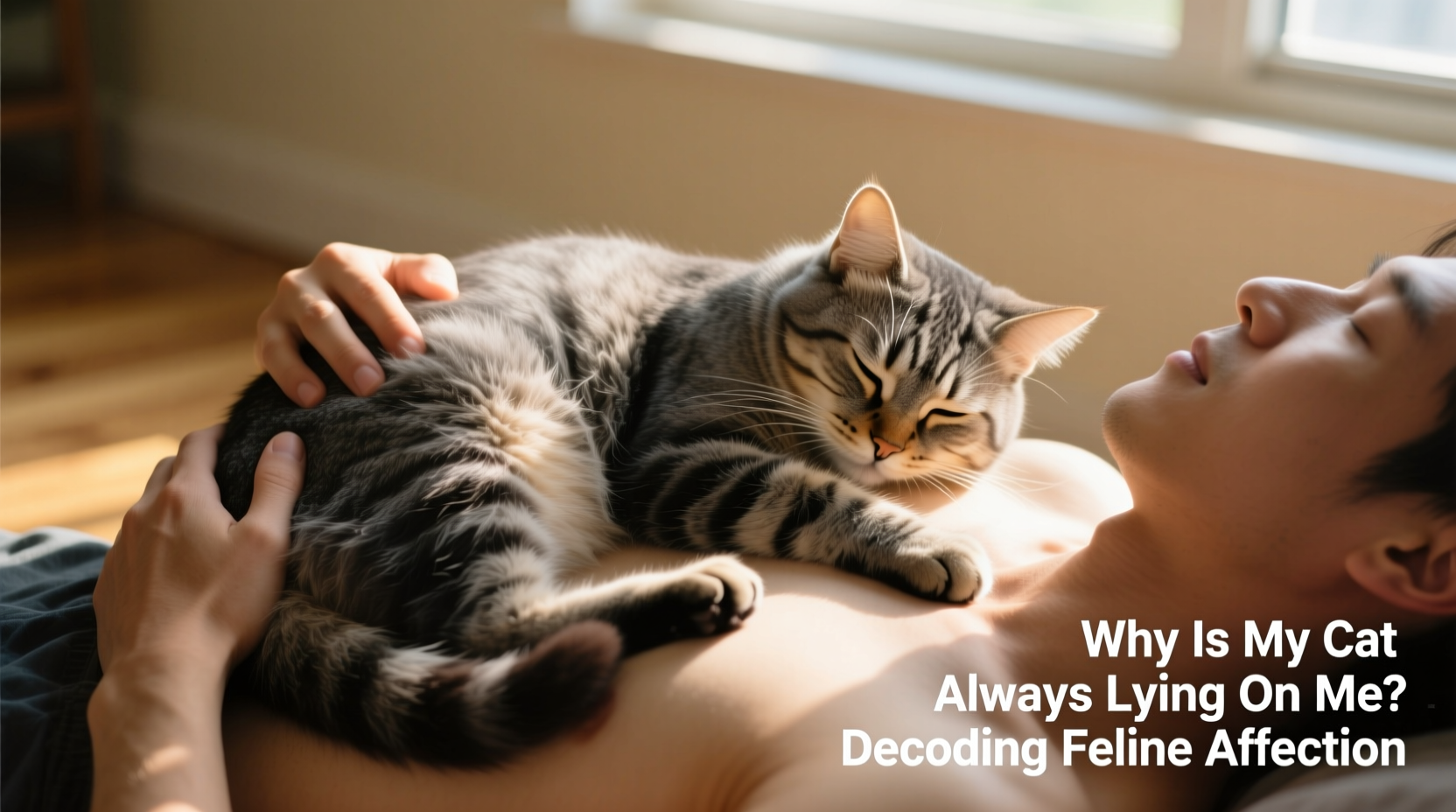
Cats are naturally drawn to warmth. With a body temperature averaging between 100.5°F and 102.5°F (38°C–39.2°C), they seek out heat sources to maintain thermal regulation, especially in cooler environments. Humans, with our average body temperature of 98.6°F (37°C), serve as reliable, mobile heaters. When your cat settles on your lap, chest, or legs, it’s often because your body radiates consistent warmth.
This behavior traces back to kittenhood. Kittens huddle together and press against their mother for warmth and nourishment. As adults, cats retain this instinct to seek out warm, safe spaces—and you represent the modern-day equivalent of that early comfort. The rhythmic rise and fall of your breathing, the steady beat of your heart, and your body heat create a soothing environment that mimics the safety of infancy.
Trust and Territory: The Emotional Significance
Beyond thermoregulation, your cat’s choice to lay on you is a powerful statement of trust. In the wild, vulnerable positions—like sleeping or resting—are avoided in unsafe environments. By closing their eyes and exposing their belly (even partially) while on your body, your cat signals that they feel secure. This level of vulnerability is reserved for individuals they deeply trust.
Cats are also territorial by nature. They mark their domain using scent glands located on their cheeks, paws, and flanks. When your cat rubs against you or kneads your lap before settling in, they’re transferring their scent onto you. Laying on you reinforces this olfactory claim—you’re not just a heat source; you’re part of their social group, marked and protected.
“Cats don’t choose just anyone to rest on. When a cat picks you, it’s one of the highest compliments they can give.” — Dr. Sarah Ellis, Feline Behavior Specialist, University of Lincoln
Communication Through Proximity
Cats communicate largely through body language, and physical contact is one of their primary tools. Your cat may lay on you to convey specific messages:
- Attention-seeking: A gentle nudge with the head followed by settling into your lap often means “notice me.”
- Stress relief: During loud noises, storms, or household changes, your presence provides emotional grounding.
- Reassurance: If you’ve been away or seem upset, your cat may lay on you to comfort both themselves and you.
- Routine bonding: Predictable cuddle times strengthen the human-cat relationship over time.
In multi-pet households, cats may compete for access to their favorite human. A cat that consistently claims your lap might be asserting social priority—a sign of deep attachment rather than dominance.
Decoding Different Positions and Their Meanings
The way your cat lays on you can reveal nuances in their mood and intent. Observing their posture adds depth to your understanding:
| Position | Meaning |
|---|---|
| Curled tightly on lap | Seeking warmth and security; may be conserving energy |
| Stretched across chest | Deep trust; enjoys hearing your heartbeat; may be marking territory |
| Belly exposed (but feet ready) | Partial trust—invites pets but may react if startled |
| Sitting upright facing you | Alert but bonded; maintaining awareness while staying close |
| Kneading while lying down | Contentment; reminiscent of kitten nursing behavior |
Not all cats display affection the same way. Some prefer sitting beside you rather than on you, which is equally valid. But when a cat chooses direct contact, it’s a clear indicator of emotional investment.
Real-Life Example: How One Cat’s Behavior Revealed Hidden Stress
Maria, a software developer from Portland, noticed her usually independent cat, Milo, began sleeping on her shoulders every night—unusual for a cat who previously preferred the guest room bed. At first, she found it sweet. But when Milo started vocalizing at night and refusing to leave her side during the day, she consulted a veterinarian.
After ruling out medical causes, a feline behaviorist suggested Milo’s clinginess was a response to Maria’s recent return to office work after two years of remote work. The change disrupted his routine, and he sought reassurance through increased physical contact. By reintroducing structured play sessions and leaving a piece of worn clothing with her scent, Maria helped ease Milo’s anxiety. Over time, he resumed his independent habits—but still reserves weekend mornings for long cuddle sessions.
This case illustrates how shifts in a cat’s laying behavior can signal emotional needs, not just affection.
How to Respond: Encouraging Healthy Affection
While being a human mattress is flattering, constant pressure or nighttime disruptions can become overwhelming. The goal is to honor your cat’s need for closeness while maintaining balance.
Step-by-Step Guide to Managing Cuddling Boundaries
- Observe patterns: Note when and where your cat seeks contact. Is it tied to certain times, sounds, or activities?
- Provide alternatives: Place heated pads, soft blankets, or cat trees near your usual spots.
- Redirect gently: When unwanted, guide your cat to their bed with treats or toys.
- Respect their rhythm: Allow contact when you can enjoy it; set limits when needed without punishment.
- Reinforce positive behavior: Reward independent resting with praise or treats.
Frequently Asked Questions
Is it normal for my cat to lay on my head or face?
Yes, though it can be startling. Cats may do this for warmth, curiosity, or because your face emits strong scent cues. If it happens at night, ensure your cat has other comfortable options nearby to avoid suffocation risks.
Why does my cat only lay on one person in the household?
Cats form individual bonds based on scent, voice, and past experiences. The preferred person may have a calmer demeanor, spend more time at home, or have a history of feeding or grooming the cat.
Should I be concerned if my cat suddenly stops laying on me?
A sudden change in behavior can indicate stress, illness, or environmental shifts. Monitor for other symptoms like appetite loss or hiding. If the change persists beyond a few days, consult a vet.
Checklist: Signs Your Cat Loves You (Beyond Laying on You)
- Slow blinks when making eye contact
- Bringing “gifts” like toys or leaves
- Following you from room to room
- Head-bumping or cheek-rubbing
- Purring in your presence
- Showing their belly (even briefly)
- Grooming you or licking your hair/hands
Conclusion: Embrace the Weight of Love
Your cat laying on you is more than a quirky habit—it’s a silent declaration of love, trust, and belonging. In a world where cats carefully guard their autonomy, choosing to rest on you is a rare privilege. It reflects a bond built on mutual respect and quiet companionship.
While it’s important to set boundaries when necessary, never dismiss this behavior as mere convenience. Each time your cat curls up on your chest, they’re saying, “You are my safe place.” Cherish these moments, learn their meanings, and respond with patience and care.




 浙公网安备
33010002000092号
浙公网安备
33010002000092号 浙B2-20120091-4
Comments
No comments yet. Why don't you start the discussion?