
Cats have a well-documented love affair with cardboard boxes. From small shoeboxes to large appliance containers, it seems no box is too big—or too unremarkable—for a cat to claim as their personal fortress. This behavior, while endearing, often leaves pet owners puzzled: Why does my cat insist on squeezing into a space clearly not designed for comfort? And more importantly, is this obsession harmless or could there be hidden risks? The answers lie in feline psychology, instinctual behavior, and environmental enrichment.
Understanding your cat’s attraction to boxes isn’t just about satisfying curiosity—it can improve how you care for your pet. By recognizing what drives this behavior, you can provide safer, more stimulating environments that support your cat’s mental and physical well-being.
The Science Behind the Box Obsession
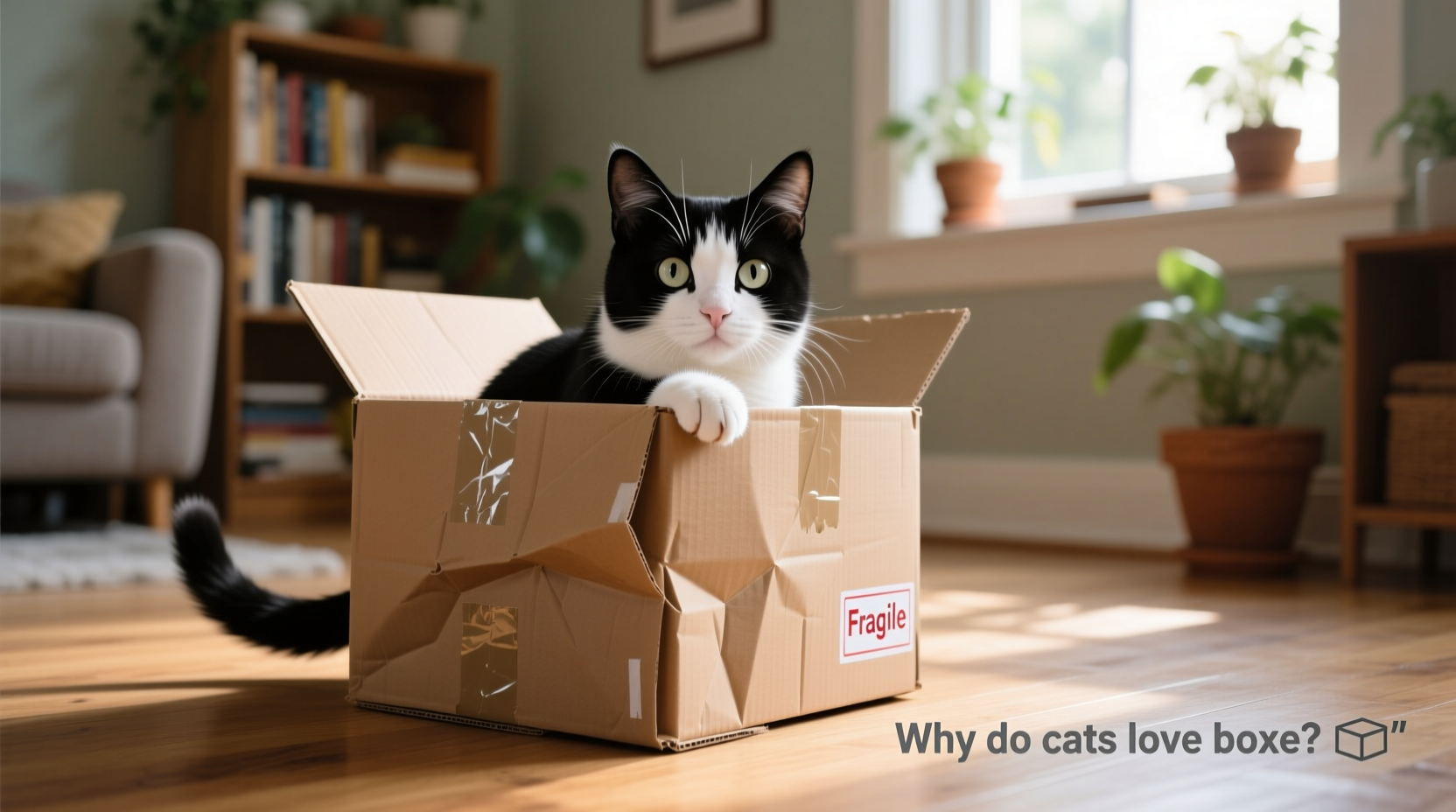
Cats are predators by nature, but they’re also prey animals in the wild. This duality shapes much of their behavior. A cardboard box offers a secure, enclosed space where a cat can observe its surroundings without being seen—a perfect vantage point for both hunting and hiding.
Studies have shown that confined spaces reduce stress in cats. A 2014 study published in *Applied Animal Behaviour Science* found that shelter cats given access to hiding boxes adapted to new environments faster and exhibited lower stress levels than those without. The researchers concluded that enclosed spaces provide a sense of control, which is crucial for an animal that relies heavily on environmental predictability.
Additionally, cardboard is an excellent insulator. Cats prefer warmer ambient temperatures—around 86–97°F (30–36°C)—which is higher than most human homes maintain. The corrugated layers of a cardboard box trap body heat, creating a cozy microclimate. This thermal benefit makes boxes especially appealing during colder months.
“Cats seek out confined spaces because they offer security, warmth, and a tactical advantage. A simple box fulfills multiple biological needs at once.” — Dr. Sarah Elliott, Feline Behavior Specialist
Are Cardboard Boxes Safe for Cats?
In general, cardboard boxes are safe and even beneficial for cats. However, safety depends on how the box is used and maintained. Most commercially available cardboard is made from recycled paper and non-toxic adhesives, making it unlikely to cause harm if nibbled. That said, certain conditions can turn a seemingly innocent box into a hazard.
One concern is ink toxicity. While modern printing inks are typically soy- or water-based and considered safe, older boxes or imported packaging may contain heavy metals or solvents. If the ink smudges easily or has a strong chemical odor, it's best to avoid letting your cat interact with it.
Another risk is structural instability. Large boxes stored in high-traffic areas may collapse if a cat jumps inside, potentially causing injury. Similarly, boxes with cut flaps or sharp edges can scratch delicate paws or noses.
Common Box Hazards and How to Avoid Them
| Hazard | Risk | Prevention |
|---|---|---|
| Tape and adhesive residues | Choking, digestive issues | Remove all tape thoroughly; wipe sticky areas with damp cloth |
| Staples or metal fragments | Puncture wounds, internal damage | Inspect and remove any metallic components |
| Loose ink or dyes | Toxicity if licked or chewed | Avoid brightly printed or suspicious-smelling boxes |
| Mold or moisture damage | Respiratory irritation, fungal infection | Discard damp or musty boxes immediately |
| Small, confined spaces | Suffocation risk (especially kittens) | Supervise young cats; ensure ventilation |
Why Do Some Cats Chew or Eat Cardboard?
While most cats simply lounge in boxes, some go a step further—they chew the corners, shred the walls, or even ingest pieces of cardboard. Occasional gnawing is usually harmless and may stem from boredom, teething (in kittens), or sensory exploration. However, consistent consumption of non-food items could indicate a condition called pica.
Pica is the persistent eating of non-nutritive substances such as fabric, plastic, or paper. In cats, it can be linked to nutritional deficiencies (e.g., anemia), gastrointestinal disorders, or behavioral issues like anxiety or compulsive disorders. Siamese and related breeds appear more predisposed to pica, though any cat can develop the habit.
If your cat regularly eats cardboard—or other non-edible materials—consult your veterinarian. Blood tests can rule out underlying medical causes, and behavioral modification techniques may help address psychological triggers.
Mini Case Study: Luna the Persistent Chewer
Luna, a 3-year-old domestic shorthair, began tearing apart every box her owner brought home. At first, it seemed like playful behavior. But when she started swallowing fragments and vomiting, her owner became concerned. A vet visit revealed mild anemia. After switching Luna to a high-iron diet and introducing puzzle feeders and chew-safe toys, her cardboard consumption decreased significantly. Her owner now provides a designated “chew box” lined with food-grade silicone corners for safe gnawing.
This case illustrates how a common behavior can mask deeper health concerns—and how targeted interventions can resolve both the symptom and root cause.
Maximizing the Benefits of Cardboard Boxes
Instead of discouraging box use, consider embracing it as a low-cost enrichment tool. With minimal effort, you can transform ordinary boxes into engaging habitats that stimulate your cat mentally and physically.
DIY Enrichment Ideas Using Cardboard
- Multi-room cat condos: Connect several boxes with tunnels (cut holes and link with paper tubes) to create a maze-like structure.
- Scratching posts: Wrap boxes tightly with sisal rope or leave corrugated edges exposed for natural scratching.
- Feeding puzzles: Cut small openings in a box and place kibble inside so your cat must paw out the food.
- Perches and lookout points: Reinforce a sturdy box and place it near a window for bird-watching.
- Sensory boxes: Fill a shallow box with crumpled paper, dried lavender, or silvervine to encourage exploration.
These setups not only entertain but also promote natural behaviors like stalking, pouncing, and problem-solving. Unlike expensive cat furniture, cardboard is disposable and customizable, making it ideal for experimenting with different configurations.
Step-by-Step: Creating a Cat-Friendly Box Habitat
- Gather clean, undamaged boxes of various sizes (avoid glossy or wax-coated cardboard).
- Remove all tape, labels, and plastic inserts.
- Cut entry and viewing holes—round edges to prevent snags.
- Reinforce weak seams with non-toxic glue if needed.
- Connect boxes using toilet paper rolls or paper towel tubes secured with pet-safe adhesive.
- Place the structure in a quiet area initially, then gradually move it to a more social space.
- Add soft bedding or catnip to encourage use.
- Monitor for wear and replace when structurally unsound.
Frequently Asked Questions
Can cardboard boxes make my cat sick?
Generally, no—if the box is clean and free of toxic materials. However, ingesting large amounts of cardboard can lead to gastrointestinal obstruction. Watch for signs like vomiting, lethargy, or loss of appetite, and contact your vet if concerning symptoms arise.
Why does my cat prefer a box over an expensive cat bed?
Cats value security and warmth over luxury. Many commercial cat beds are open, soft, and poorly insulated. A cardboard box, by contrast, provides enclosure, height for surveillance, and heat retention—three key factors in feline comfort.
How often should I replace a cardboard box?
Replace it when it becomes soiled, structurally compromised, or loses its appeal. Typically, every 1–3 weeks depending on use. Rotating boxes helps maintain interest and hygiene.
Checklist: Safe Box Use for Cats
- ✅ Remove all tape, staples, and plastic
- ✅ Choose plain, non-glossy cardboard
- ✅ Inspect for mold, odors, or residue
- ✅ Provide adequate ventilation
- ✅ Supervise kittens and chewers
- ✅ Replace when damaged or dirty
- ✅ Offer alternatives like fabric tunnels or wooden cat shelves
Conclusion: Embrace the Quirk, Prioritize Safety
Your cat’s obsession with cardboard boxes isn’t strange—it’s smart. It reflects instincts honed over millennia and meets real emotional and physiological needs. Rather than questioning the behavior, consider how you can support it safely and enrichingly. With a little attention to detail, a humble cardboard box becomes more than a passing amusement; it becomes a tool for reducing stress, encouraging activity, and deepening your understanding of your cat’s world.




 浙公网安备
33010002000092号
浙公网安备
33010002000092号 浙B2-20120091-4
Comments
No comments yet. Why don't you start the discussion?