
If you’ve ever brought home a new appliance only to find your cat instantly claiming the empty box as their personal fortress, you’re not alone. Cardboard boxes hold an almost mystical appeal for cats across the world. From small shoeboxes to large refrigerator crates, felines consistently choose these humble containers over expensive cat beds or designer perches. But what drives this fascination? And more importantly, is allowing your cat to nest in cardboard actually safe? The answers lie in feline psychology, environmental needs, and a bit of evolutionary instinct.
The Science Behind the Obsession
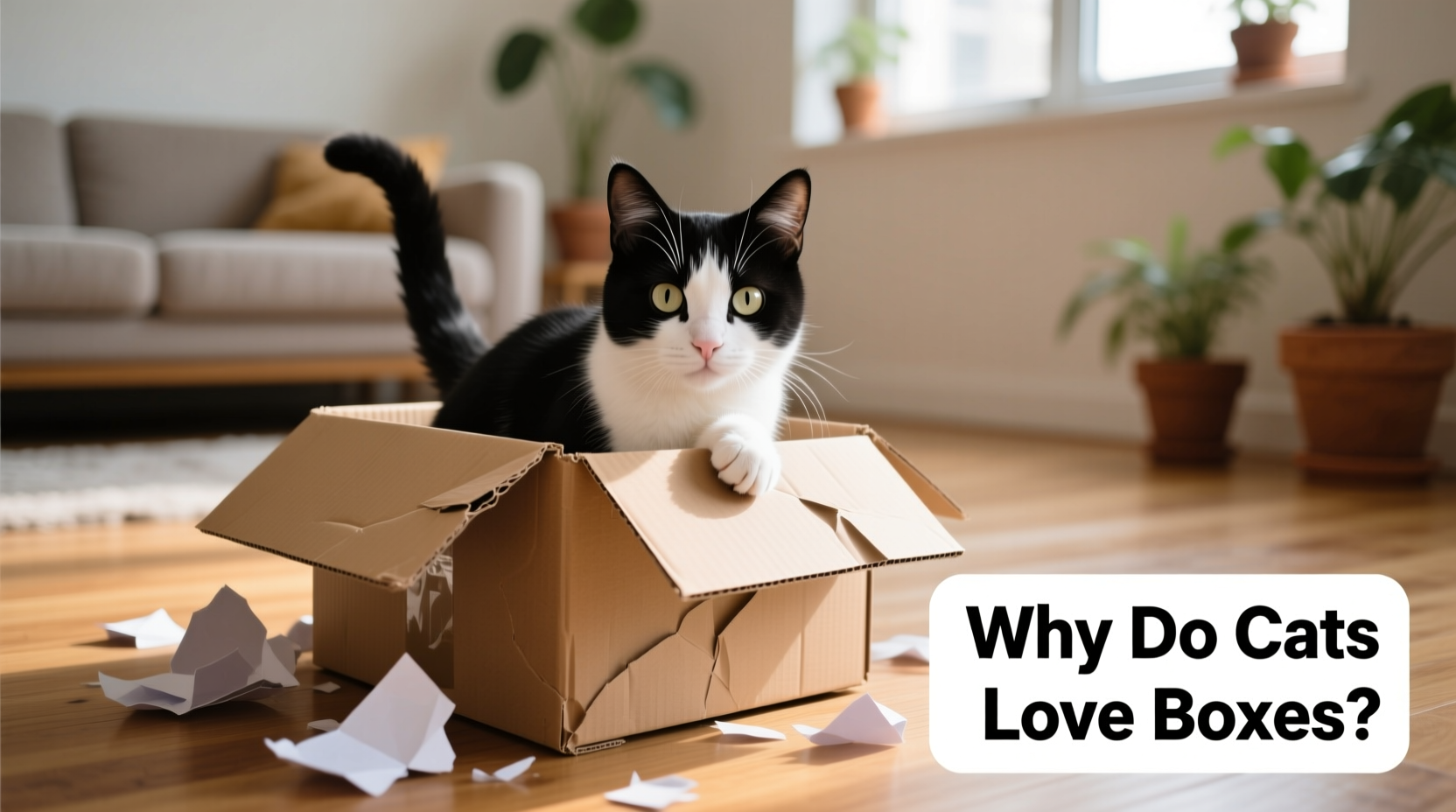
Cats are predators by nature, but they are also prey animals in the wild. This dual role shapes much of their behavior, including their attraction to enclosed spaces like cardboard boxes. A study published in *Applied Animal Behaviour Science* found that shelter cats given access to hiding boxes showed significantly lower stress levels than those without them. The researchers concluded that boxes provide a sense of security, helping cats regulate anxiety in unfamiliar or stimulating environments.
Enclosed spaces mimic the natural dens cats would seek in the wild—protected, warm, and out of sight from potential threats. Even indoor cats retain these instincts. A cardboard box becomes a private retreat where they can observe their surroundings without being seen, satisfying both their curiosity and need for control.
“Cats crave predictability and safety. A simple box offers both—it’s a low-cost, high-reward form of environmental enrichment.” — Dr. Sarah Ellis, Feline Behavior Specialist, University of Lincoln
Beyond security, thermal regulation plays a major role. Cardboard is a natural insulator, trapping body heat and creating a cozy microclimate. Cats maintain a higher body temperature than humans (around 101–102.5°F), so they naturally gravitate toward warm spots. On average, cats spend 12–16 hours a day sleeping, and they prefer doing so in places that help conserve energy.
Is It Safe for Cats to Play With and Sleep in Cardboard Boxes?
In most cases, yes—cardboard boxes are safe for cats, provided certain precautions are taken. Plain, uncoated cardboard made from recycled paper pulp is non-toxic and poses minimal risk if lightly chewed. However, safety depends on how the box is sourced, prepared, and monitored.
The real danger doesn’t come from the cardboard itself, but from contaminants. Boxes stored in garages or damp areas may harbor mold, pesticides, or rodent droppings. Shipping boxes, especially those used for international transport, might be treated with chemical fumigants like methyl bromide, which can linger on surfaces and harm pets.
Additionally, some cats develop a habit of chewing or eating cardboard. While occasional nibbling is usually harmless, consistent ingestion can lead to gastrointestinal issues, including obstructions. If your cat frequently eats non-food items, this could indicate pica—a condition often linked to nutritional deficiencies, stress, or underlying medical conditions such as anemia or feline leukemia.
When Cardboard Becomes a Hazard: Key Risks
- Ingestion of toxic substances: Inks, dyes, or adhesives used in printed boxes may contain harmful chemicals.
- Choking hazards: Loose tape, plastic windows, or shredded fibers can be swallowed.
- Poor ventilation: Sealed boxes with no exit routes can trap cats or reduce airflow.
- Mold exposure: Damp or musty boxes promote fungal growth, which can affect respiratory health.
Benefits of Cardboard Boxes for Cat Enrichment
Far from being just a passing quirk, a cat’s interaction with cardboard boxes supports mental and physical well-being. Environmental enrichment is critical for preventing boredom, obesity, and destructive behaviors in indoor cats. Boxes offer versatile stimulation:
- Hiding and stalking: Encourages natural predatory sequences—creeping, ambushing, and pouncing.
- Scratching surfaces: The corrugated texture provides a satisfying surface for clawing, reducing furniture damage.
- DIY puzzle toys: Cut multiple openings and hide treats inside to promote problem-solving.
- Temperature regulation: Provides warmth in winter and, when placed in shaded areas, a cool den in summer.
Behaviorists often recommend rotating boxes every few weeks to maintain novelty. You can enhance engagement by placing familiar-smelling items inside, like an old T-shirt with your scent, or adding catnip-infused toys.
Real Example: How Boxes Helped Reduce Stress in a Multi-Cat Home
Samantha, a pet owner in Portland, adopted two rescue cats within a month of each other. The younger cat, Luna, quickly dominated shared spaces, leaving the older one, Oliver, anxious and reclusive. After consulting a veterinary behaviorist, Samantha introduced several cardboard boxes throughout the home—some elevated, others tucked behind furniture. She placed one near Oliver’s favorite window with a soft blanket inside.
Within days, Oliver began using the boxes as observation posts, gaining confidence without direct confrontation. Over time, he started exploring more openly. “It was like he finally had control over his environment,” Samantha said. “The boxes gave him back his dignity.” This case illustrates how simple, low-cost interventions can have profound effects on feline emotional health.
Safe Practices for Using Cardboard Boxes with Cats
To ensure your cat enjoys boxes safely, follow these guidelines:
Step-by-Step Guide: Preparing a Cat-Safe Box
- Select the right box: Choose clean, undamaged boxes made of plain brown cardboard. Avoid glossy or heavily printed packaging.
- Remove all hazards: Take off tape, labels, plastic inserts, and staples. Sand down rough edges if needed.
- Ensure proper ventilation: Cut at least two entry/exit holes opposite each other to prevent entrapment.
- Sanitize if necessary: Wipe the interior with a pet-safe disinfectant or mild vinegar solution. Let it dry completely.
- Enhance comfort: Add a soft towel or fleece liner—avoid synthetic fabrics that shed lint.
- Monitor usage: Observe how your cat interacts with the box. Remove it if excessive chewing occurs.
Do’s and Don’ts of Cat Box Safety
| Do | Don't |
|---|---|
| Use boxes with multiple escape routes | Seal boxes completely or nail lids shut |
| Inspect boxes weekly for wear and tear | Leave boxes in high-traffic areas where they can be stepped on |
| Rotate boxes to keep them interesting | Use boxes previously stored outdoors or in chemical-prone areas |
| Add cat-safe scents like silver vine or valerian root | Paint or glue decorations using toxic materials |
| Supervise kittens around boxes initially | Allow unsupervised access if your cat eats non-food items |
Frequently Asked Questions
Why does my cat scratch and shred the inside of the box?
Scratching is a natural marking behavior—cats have scent glands in their paws, so shredding helps them claim territory. It’s also a way to adjust the shape of the space for comfort. As long as the cardboard isn’t being eaten, this behavior is normal and healthy.
Can kittens suffocate in cardboard boxes?
While rare, there is a risk if a box has no ventilation or if the lid collapses. Never leave very young kittens unattended in boxes, especially those with high walls or heavy flaps. Always ensure at least two openings and check that the structure is stable.
My cat only uses the box when it’s brand new. How can I make old boxes appealing again?
Refresh the box by moving it to a new location, adding a new toy inside, or lightly spraying it with catnip spray. You can also cut new shapes into the sides to create different viewing angles, turning it into a “cat castle” with multiple rooms.
Conclusion: Embracing the Box Habit Wisely
A cat’s obsession with cardboard boxes isn’t just cute—it’s biologically meaningful. These simple structures fulfill deep-seated needs for security, warmth, and autonomy. Rather than discouraging the behavior, smart owners can harness it to improve their cat’s quality of life. By providing safe, clean, and thoughtfully prepared boxes, you support your cat’s mental health and natural instincts without spending a dime.
The key is vigilance: inspect materials, eliminate hazards, and monitor for signs of over-chewing or ingestion. When done responsibly, cardboard boxes become more than temporary toys—they transform into essential tools for feline well-being.




 浙公网安备
33010002000092号
浙公网安备
33010002000092号 浙B2-20120091-4
Comments
No comments yet. Why don't you start the discussion?