
Every holiday season, homes light up with festive decorations—and so do the risks for curious felines. If your cat can’t resist batting at, pouncing on, or even chewing Christmas lights, you’re not alone. Thousands of pet owners face this same seasonal challenge. While the behavior may seem playful or endearing at first, it poses real dangers: electric shock, burns, broken bulbs, and even fire hazards. Understanding why cats are drawn to these twinkling strands is the first step in keeping them safe. More importantly, knowing how to redirect their attention and protect both pet and property requires a thoughtful, consistent approach.
The Feline Fascination: Why Cats Love Christmas Lights
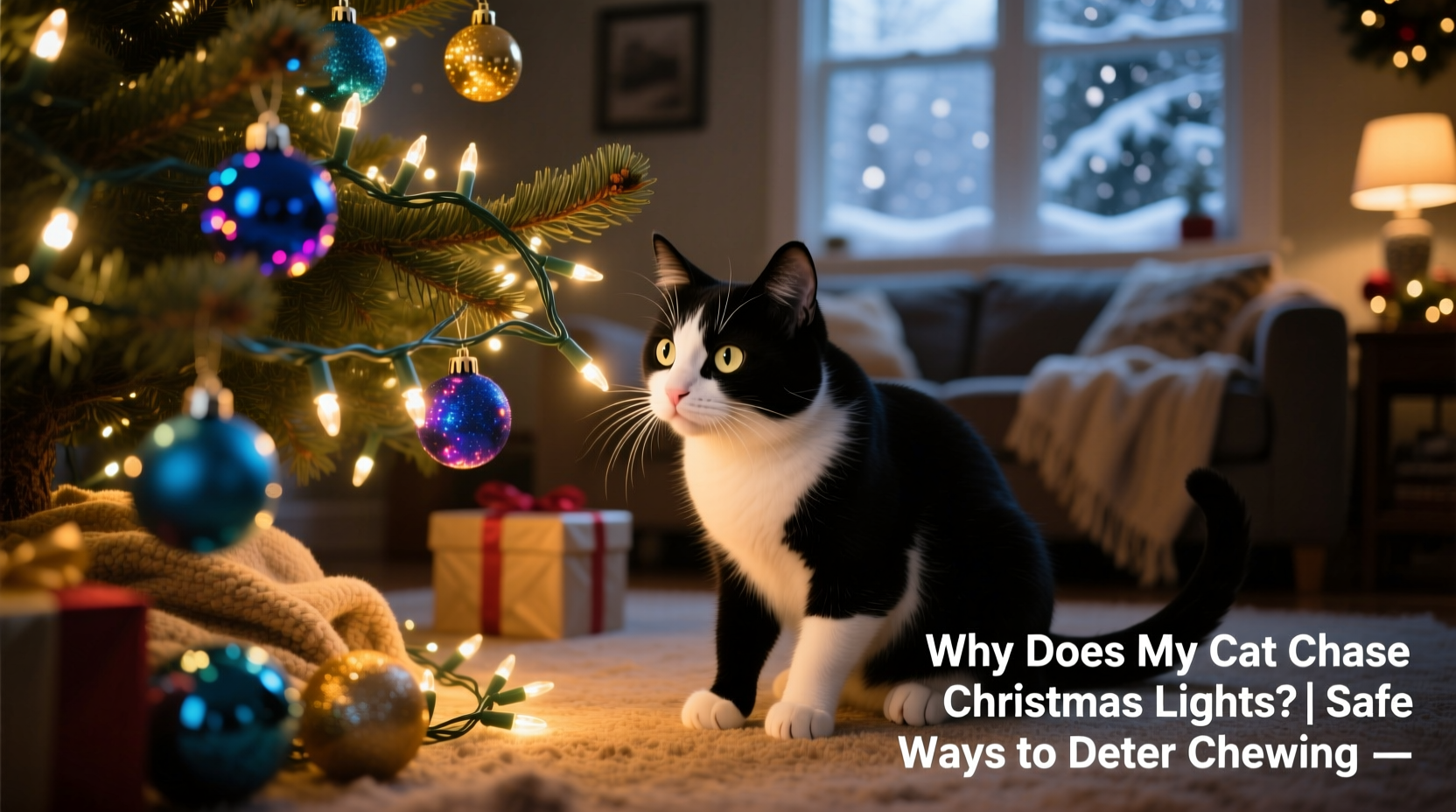
Cats are hardwired predators. Their brains respond powerfully to movement, flicker, and contrast—stimuli that mimic prey. Christmas lights, especially those with blinking or twinkling settings, trigger this instinctive reaction. The intermittent flashes resemble the darting motion of insects or small rodents, making the lights irresistible targets for stalking and swatting.
Additionally, the texture and sound of cords add another layer of appeal. Many cats enjoy the crinkly noise of plastic-coated wires when they bite or chew them. This sensory feedback reinforces the behavior, turning what might start as curiosity into a compulsive habit.
Dr. Lena Patel, a veterinary behaviorist at the American College of Veterinary Behaviorists, explains:
“Cats don’t see Christmas lights as decoration—they see them as dynamic, unpredictable stimuli in their territory. For an indoor cat with limited environmental enrichment, these lights become one of the most exciting things in the room.”
This fascination is amplified during the holidays when routines shift, new objects appear, and attention is often diverted from pets to guests or preparations. Stress or overstimulation can also lead cats to seek comfort in repetitive behaviors like chewing, especially if the cords offer a satisfying oral sensation.
Dangers of Chewing Electrical Cords
Beyond the mess of tangled wires or a knocked-over tree, chewing on electrical cords presents serious health and safety risks:
- Electric shock: Even low-voltage strands can deliver a painful jolt, potentially causing cardiac arrest or respiratory failure in severe cases.
- Burns: Internal mouth burns are common when a cat bites through a live wire. These injuries may not be immediately visible but can lead to infection or long-term discomfort.
- Toxic ingestion: Some older lights contain lead in the wiring insulation. Chewing can release toxic particles, leading to heavy metal poisoning over time.
- Fire hazard: Damaged cords can spark, ignite nearby materials (like dry Christmas trees or curtains), and cause house fires.
- Choking or intestinal blockage: Plastic fragments or bulb pieces can be swallowed, requiring emergency surgery.
A 2022 report from the Animal Medical Center in New York documented a 37% increase in holiday-related ER visits for cats between December and January, with electrical cord injuries among the top five causes. Most incidents occurred in households where cats had unsupervised access to decorated areas.
Effective Strategies to Deter Chewing Behavior
Preventing dangerous chewing isn’t about punishment—it’s about redirection, management, and environmental design. Here are proven methods to keep your cat safe while preserving the holiday spirit.
1. Conceal and Protect Wires
The simplest way to eliminate risk is to make cords inaccessible. Use cord covers, braided sleeves, or PVC conduit tubing to encase wires running along floors or walls. These rigid or semi-rigid channels prevent biting and reduce visual appeal.
Alternatively, route cords behind furniture, up walls using adhesive clips, or inside baseboard raceways. Avoid leaving slack or loops on the floor where cats can pounce.
2. Use Bitter Deterrent Sprays
Cats have strong aversions to certain tastes and smells. Commercial anti-chew sprays containing bitter apple, citrus, or denatonium benzoate (the most bitter substance known) can discourage mouthing.
Test the spray on a small section of the cord first to ensure it doesn’t damage the material. Reapply every few days or after cleaning, as effectiveness diminishes over time.
3. Provide Alternative Stimulation
A bored cat is a destructive cat. Increase mental and physical engagement with puzzle feeders, interactive toys, and scheduled play sessions—especially near decorated areas.
Rotate toys weekly to maintain novelty. Wand toys that mimic prey movement (like feathers on a string) satisfy hunting instincts more effectively than static plush toys.
4. Create a Cat-Safe Holiday Zone
Designate a separate room or area where your cat can stay during peak decoration times. Equip it with familiar bedding, scratching posts, window perches, and safe toys. Use pheromone diffusers like Feliway to reduce stress from holiday disruptions.
If your cat must be near the tree or lights, consider using a baby gate to create a barrier while still allowing visual access.
Step-by-Step Plan to Cat-Proof Your Holiday Decor
Follow this timeline to proactively safeguard your home and cat before temptation turns to tragedy.
- Week 1: Assess Risk Zones
Walk through your home from a cat’s eye level. Identify all exposed cords, dangling ornaments, and accessible trees. Make a list of high-risk areas. - Week 2: Install Physical Barriers
Purchase cord organizers, conduit tubing, or cable covers. Secure wires along walls or behind furniture. Anchor the Christmas tree to a wall to prevent tipping. - Week 3: Apply Deterrents and Test
Spray bitter solutions on cords (away from bulbs and outlets). Observe your cat’s reaction. Add double-sided tape or aluminum foil around base areas—cats dislike stepping on these textures. - Week 4: Introduce Alternatives
Set up new toys, scratching pads, or climbing shelves near the living area. Begin daily 10–15 minute play sessions to redirect energy. - Ongoing: Supervise and Reinforce
Monitor interactions with decorations. Immediately redirect chewing with a toy. Never yell or punish—positive reinforcement builds better habits.
Do’s and Don’ts: Managing Cat-Light Interactions
| Do | Don’t |
|---|---|
| Use battery-operated lights where possible | Leave plugged-in lights unattended |
| Supervise your cat around decorations | Assume your cat will “learn” to avoid cords |
| Offer chew-safe alternatives like dental chews or rope toys | Use human repellents like chili powder (can irritate eyes and lungs) |
| Unplug lights when not in the room or at night | Use extension cords as makeshift decorations |
| Schedule regular playtime to burn excess energy | Scold or chase your cat after chewing—it may reinforce the behavior as play |
Real-Life Example: How One Family Prevented a Crisis
The Thompson family in Portland adopted a young rescue cat named Miso just before the holidays. Within days, Miso became fixated on their lit-up tree. She batted at the lower branches and began gnawing on the power cord.
After a close call—one incident where she yowled and recoiled after a mild shock—they consulted a veterinary behaviorist. They implemented several changes: switching to battery-powered lights on the lower half of the tree, enclosing the main power cord in a white PVC tube painted to match the wall, and setting up a catio view near the living room so Miso could observe without access.
They also introduced a “holiday treasure hunt” game, hiding treats in cardboard boxes and paper bags daily. Within two weeks, Miso lost interest in the lights entirely. By Christmas Eve, she was napping peacefully three feet from the tree—with zero incidents.
Frequently Asked Questions
Can I train my cat to stop chewing lights?
Yes, but not through punishment. Training involves consistent redirection, environmental modification, and positive reinforcement. When your cat approaches the lights, gently guide them toward an appropriate toy and reward interaction with it. Over time, the association shifts from “lights = fun” to “toys = fun.”
Are LED lights safer for cats?
LED lights generate less heat than incandescent bulbs, reducing burn risk if touched. However, they still carry electrical current and pose shock and fire hazards if chewed. Safety depends more on installation and supervision than bulb type.
What if my cat already chewed a wire? What should I do?
Even if your cat seems fine, contact your veterinarian immediately. Internal burns or delayed arrhythmias can occur hours later. Do not wait for symptoms. Keep the damaged cord away for inspection, and unplug all similar lights until repairs are made.
Final Thoughts: Safety First, Magic Second
The holiday season shouldn’t come at the cost of your cat’s well-being. While Christmas lights bring joy to humans, they represent a complex mix of temptation and danger to felines. Recognizing the root causes—instinct, boredom, sensory appeal—allows for smarter, more compassionate solutions.
By combining physical safeguards, behavioral redirection, and proactive planning, you can enjoy a festive home without compromising safety. Remember: a cat-free zone around the tree isn’t a sign of exclusion—it’s an act of care. And the peace of mind that comes from knowing your pet is protected is the most meaningful gift of all.




 浙公网安备
33010002000092号
浙公网安备
33010002000092号 浙B2-20120091-4
Comments
No comments yet. Why don't you start the discussion?