
As the holiday season rolls in, many pet owners find their homes transformed with twinkling lights, festive decorations, and cozy ambiance. But for some, this seasonal cheer comes with an unexpected challenge: a cat that can’t resist batting at, chewing on, or climbing into the Christmas light display. While it might seem harmless or even endearing at first, a cat’s obsession with Christmas lights can pose real risks—from electrical hazards to damaged decor. Understanding the root causes behind this behavior and implementing thoughtful strategies can help you maintain both your cat’s safety and your peace of mind.
The Science Behind Your Cat’s Fascination
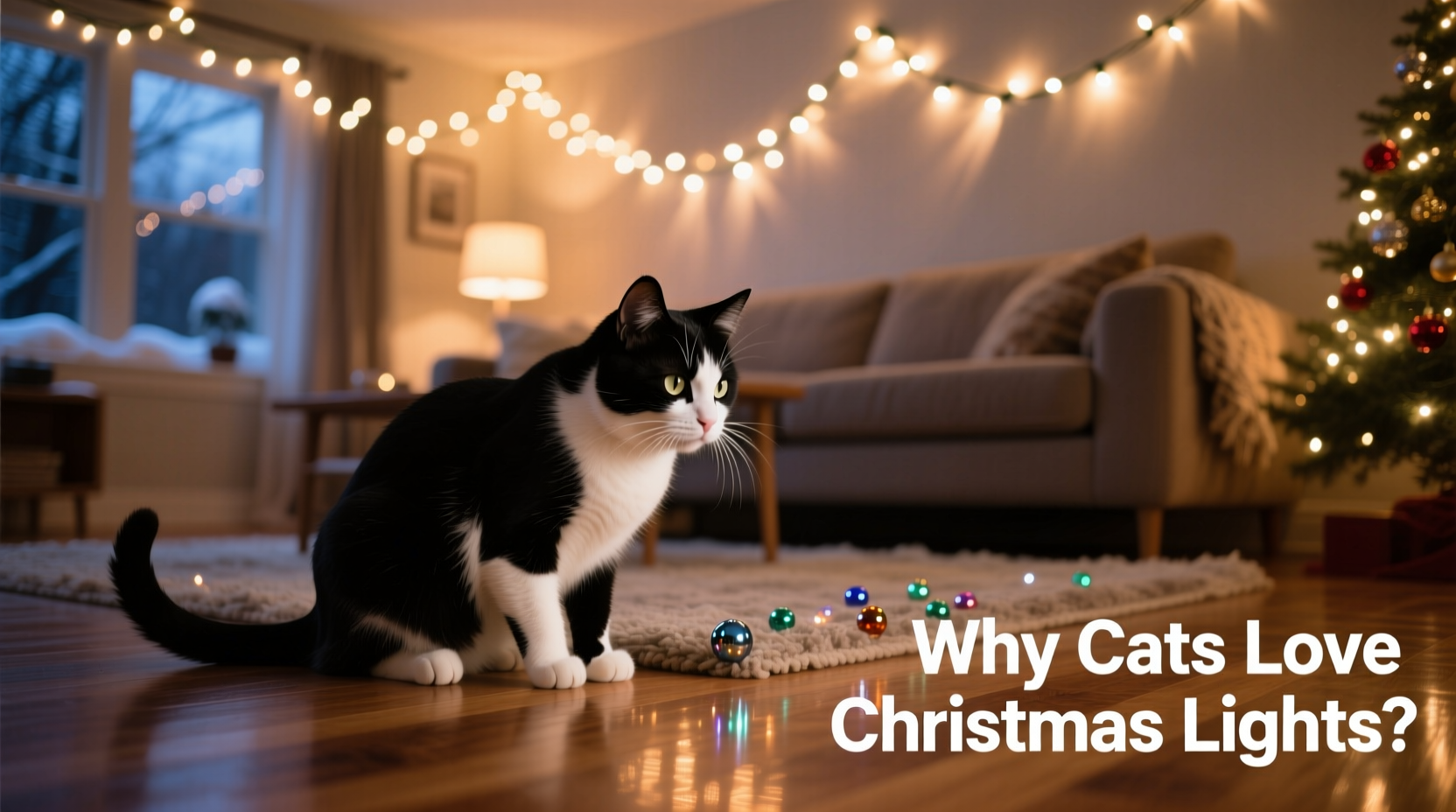
Cats are natural hunters, driven by instinctual behaviors shaped over thousands of years. Their eyes are highly attuned to movement, especially small, flickering stimuli—exactly what blinking Christmas lights provide. The intermittent glow mimics the erratic motion of prey like insects or rodents, triggering your cat’s predatory response. This isn’t just curiosity; it’s a deeply ingrained survival mechanism repurposed in a domestic setting.
Moreover, cats are drawn to novelty. The sudden appearance of new objects in their environment—especially ones that emit light, make soft buzzing sounds, or generate warmth from bulbs—can be irresistibly stimulating. Add to that the vertical placement of many light strands (on trees or mantels), and you’ve created an irresistible feline playground.
“Cats don’t see the world as we do. Small movements, reflections, and changes in light intensity are far more salient to them. A string of Christmas lights is essentially a motion-based puzzle that demands investigation.” — Dr. Lydia Chan, Feline Behavior Specialist, University of California Veterinary Medicine
This combination of visual stimulation, novelty, and accessibility explains why even typically aloof cats may become fixated on holiday lighting.
Common Risks of Light-Chasing Behavior
While the behavior itself stems from natural instincts, allowing unrestricted access to Christmas lights can lead to several dangers:
- Electrical shock: Chewing through cords can result in burns, cardiac arrest, or fatal electrocution.
- Fire hazard: Damaged wiring or overheating bulbs can ignite nearby flammable materials like tree branches or curtains.
- Ingestion of parts: Small plastic covers, bulb fragments, or wire insulation can cause intestinal blockages if swallowed.
- Stress and anxiety: Constant correction or punishment for interacting with lights can damage trust and increase household tension.
Practical Solutions to Redirect the Obsession
Rather than trying to suppress your cat’s instincts—which is neither effective nor fair—the goal should be redirection and environmental management. Here are proven strategies to keep your cat engaged elsewhere while protecting your decorations.
1. Use Cat-Safe Alternatives to Traditional Lights
Consider replacing standard electric lights with battery-operated LED options designed for pets. These emit minimal heat, have no exposed wires, and often come in flexible, chew-resistant casings. Some brands even offer motion-activated lights that respond to paw taps, giving your cat a satisfying “reward” without risk.
2. Create Competitive Stimulation
If your cat is hunting the lights, give them a better target. Introduce interactive toys that mimic the same visual cues—feather wands with reflective tips, laser pointers (used responsibly), or motorized toys with erratic movement patterns. Schedule daily play sessions before lights are turned on to tire out your cat’s hunting drive.
3. Apply Taste Deterrents Strategically
Bitter sprays formulated for pets can discourage chewing when applied to cords and bases. However, test in an inconspicuous area first, as strong scents may deter humans too. Reapply regularly, especially after dusting or cleaning.
4. Conceal and Secure Wiring
Use cord protectors, PVC tubing, or adhesive cable channels to hide wires behind furniture or along baseboards. Avoid placing lights within jumping distance of counters or couches where your cat launches ambushes. For tree lights, wrap the lower third in tinfoil-covered cardboard or use a decorative skirt with built-in cord concealment.
5. Designate a “Cat Zone” Away from Decorations
Create a separate, enriched space stocked with perches, scratching posts, and toys. Position it near a window with bird feeders or outdoor views to provide natural visual stimulation. Use pheromone diffusers like Feliway to promote calmness in shared spaces.
“We once worked with a Bengal cat named Milo who dismantled three different trees in one season. After installing a floor-to-ceiling catio adjacent to the living room, his interest in indoor lights dropped by 80% within two weeks. He had a better view and more engaging stimuli.” — Case Study from Paws & Reflect Animal Behavior Clinic, Portland, OR
Step-by-Step Guide: Cat-Proofing Your Holiday Display
Follow this timeline to prepare your home safely and humanely:
- Week 1: Assess Risk Zones
Walk through your home from a cat’s perspective. Identify where lights are accessible, cords dangle, or trees are unstable. Note high-traffic feline routes. - Week 2: Install Physical Barriers
Use baby gates, mesh enclosures, or tree cages to restrict access. Secure all cords with clips or conduit. Test stability of decorations. - Week 3: Introduce Alternatives
Set up new toys, scratching pads, or climbing shelves. Rotate items every few days to maintain novelty. - Week 4: Supervised Exposure
Turn on lights only when you’re present to monitor reactions. Reward calm behavior with treats or praise. Never leave unattended. - Ongoing: Daily Management
Turn off lights when not in use. Check for fraying or displacement. Maintain consistent play and feeding schedules to reduce stress-induced exploration.
Do’s and Don’ts: Managing Light-Obsessed Cats
| Do | Don’t |
|---|---|
| Do use battery-powered or low-voltage LED lights | Don’t use extension cords across floors or near climbing zones |
| Do supervise initial light exposure | Don’t yell or punish your cat for natural behavior |
| Do offer daily interactive play sessions | Don’t rely solely on citrus sprays or noise deterrents |
| Do secure the tree to a wall anchor | Don’t place tempting ornaments on lower branches |
| Do rotate toys weekly to prevent boredom | Don’t leave lights on overnight |
When Obsession Signals Deeper Issues
In most cases, light-chasing is normal exploratory behavior. However, persistent fixation—even outside the holiday season—may indicate underlying problems such as:
- Environmental under-stimulation: Cats left alone for long periods may develop compulsive habits due to lack of enrichment.
- Anxiety or stress: Changes in routine, new pets, or loud noises can trigger obsessive behaviors as coping mechanisms.
- Medical conditions: Hyperesthesia, neurological disorders, or vision impairments may alter how a cat perceives light and movement.
If your cat shows signs of distress—excessive vocalization, self-mutilation, or aggression—consult a veterinarian or certified animal behaviorist. Video documentation of the behavior can aid diagnosis.
Frequently Asked Questions
Can I train my cat to ignore Christmas lights?
Direct training to “ignore” lights is rarely effective because the stimuli are inherently attention-grabbing. Instead, focus on reinforcing alternative behaviors—like sitting on a designated perch—when lights are on. Positive reinforcement works best when paired with reduced access and environmental enrichment.
Are LED lights safer than traditional bulbs for cats?
Yes. LEDs run cooler, use less energy, and often come with sturdier coatings. Battery-operated versions eliminate electrical risks entirely. Look for models labeled “pet-safe” or “cordless” for maximum security.
What if my cat already chewed a wire? What should I do?
Seek immediate veterinary care, even if no symptoms are visible. Electrical burns can cause delayed lung complications. Do not touch the cat while they’re in contact with the current. Unplug the device first, then check breathing and responsiveness.
Conclusion: Balance Celebration and Safety
Your cat’s obsession with Christmas lights isn’t misbehavior—it’s a testament to their sharp senses and active mind. By understanding the instincts driving the fascination, you can create a holiday environment that satisfies both your decorative vision and your cat’s need for engagement. Prevention, redirection, and empathy are key. With thoughtful planning, you can enjoy a festive, safe season without compromising your pet’s well-being.




 浙公网安备
33010002000092号
浙公网安备
33010002000092号 浙B2-20120091-4
Comments
No comments yet. Why don't you start the discussion?