
Cats are creatures of habit, and their preferences often puzzle even the most attentive owners. One common but perplexing behavior: a cat that refuses still water in its bowl but eagerly laps at running water from the faucet. While this quirk might seem harmless—or even endearing—it can signal underlying issues related to hydration, instinct, or environmental dissatisfaction. More importantly, it presents an opportunity to improve your cat’s long-term health by addressing not just the symptom, but the root causes.
This article explores the science and psychology behind why cats favor flowing water, evaluates potential risks of relying on the faucet, and provides actionable solutions to encourage safer, more consistent hydration habits.
The Instinct Behind the Obsession
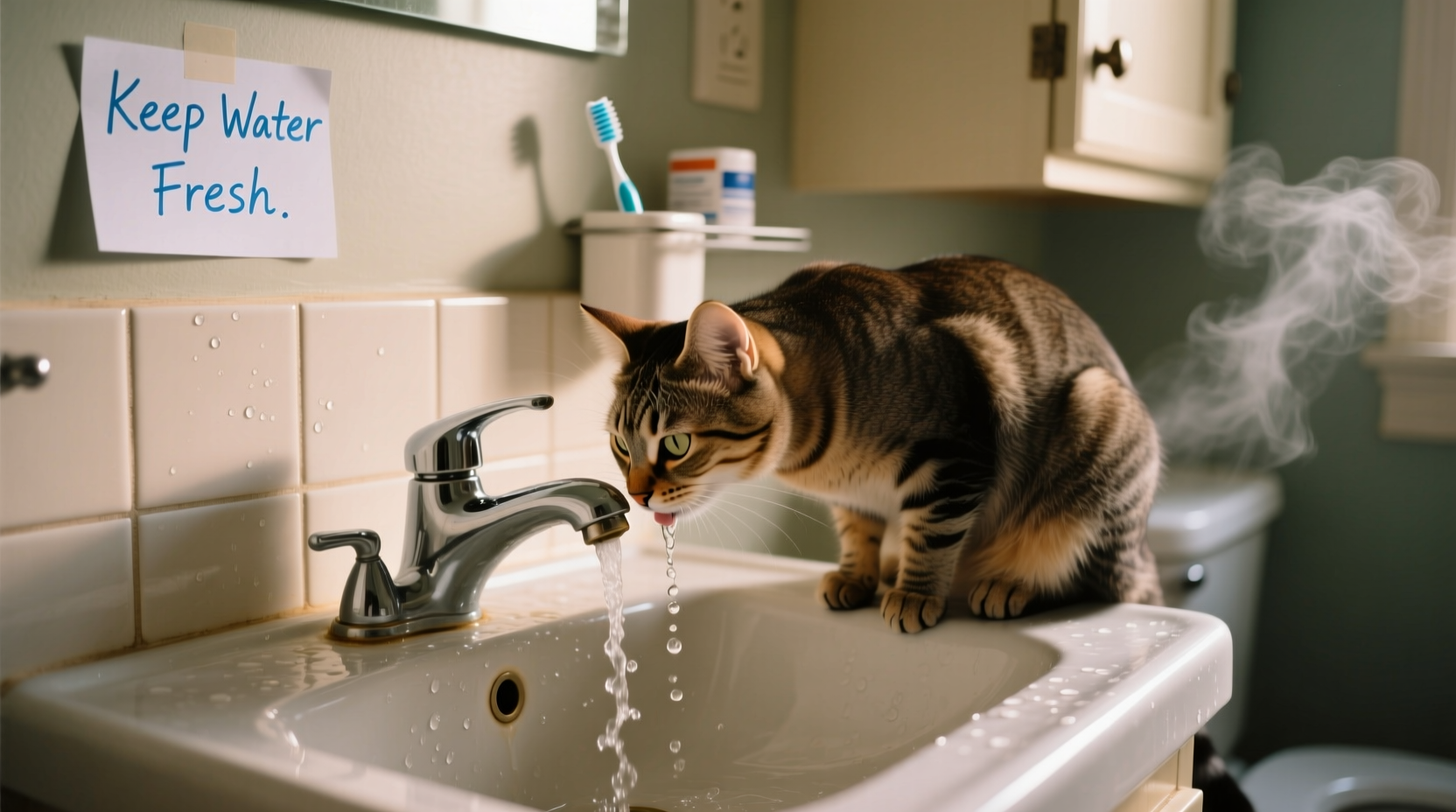
In the wild, cats evolved as hunters in arid environments where standing water could be stagnant, contaminated, or unsafe. Flowing water, by contrast, signaled freshness and lower risk of bacteria or parasites. This survival instinct remains deeply embedded in domestic cats today. Even well-fed indoor felines retain a preference for moving water because it mimics what they would encounter in nature—clean, oxygenated, and reliable.
Additionally, cats have a naturally low thirst drive compared to other animals. They derive much of their moisture from prey (in the wild) or wet food (in captivity). When fed primarily dry kibble, their need for supplemental water increases significantly—but their instinct doesn’t always prompt them to drink. Running water captures their attention through sight and sound, making it more appealing than a quiet bowl sitting in the corner.
Risks of Relying on the Faucet
While allowing your cat to drink from the sink may seem like a minor inconvenience, it poses several concerns:
- Water waste: Leaving the tap running wastes hundreds of gallons annually, increasing utility bills and environmental impact.
- Exposure to contaminants: Sink surfaces can harbor soap residue, cleaning chemicals, or bacteria, especially if shared with human use.
- Slip and injury risk: Wet floors increase fall hazards for both pets and people.
- Inconsistent access: If you’re away or forget to turn on the faucet, your cat may go without adequate hydration.
Veterinarians emphasize that inconsistent water intake is a leading contributor to urinary tract diseases, including feline lower urinary tract disease (FLUTD), kidney stones, and chronic kidney disease—conditions particularly prevalent in older cats.
“Cats who don't drink enough are at higher risk for life-threatening urinary blockages. Encouraging reliable water sources isn’t just about convenience—it’s preventive medicine.” — Dr. Lena Torres, DVM, Feline Internal Medicine Specialist
How to Transition Your Cat Away from the Faucet
Changing your cat’s drinking habits requires patience, observation, and strategic adjustments. The goal isn’t to eliminate their preference for moving water—but to redirect it toward a safer, more sustainable alternative. Below is a step-by-step guide to help make the shift effectively.
Step 1: Assess Current Water Habits
Observe when, where, and how your cat drinks. Note:
- Time of day they prefer the faucet
- Duration and volume consumed
- Reaction to still water bowls
This baseline helps measure progress and identify patterns.
Step 2: Introduce a Pet Fountain
A high-quality cat water fountain replicates the sensory appeal of running water while providing continuous filtration. Choose one with multiple flow settings, a quiet pump, and BPA-free materials. Place it near—but not directly beside—their food, as cats instinctively avoid drinking near eating areas to prevent contamination.
Step 3: Make Still Water More Appealing
If fountains aren’t immediately accepted, enhance traditional bowls:
- Use wide, shallow dishes (cats dislike whisker stress)
- Opt for ceramic or stainless steel over plastic (which can harbor odors)
- Change water daily and rinse bowls thoroughly
- Add ice cubes to create gentle movement
Step 4: Use Positive Reinforcement
Whenever your cat approaches or drinks from the new source, reward with praise or a small treat. Avoid scolding when they go to the faucet—this creates negative associations and slows progress.
Step 5: Monitor and Adjust
Track water consumption over two weeks. Signs of success include reduced faucet visits, increased time spent near the fountain, and consistent bowl usage. If resistance persists, experiment with different fountain types (e.g., bubbling vs. stream-style) or locations.
Choosing the Right Water Fountain: A Comparison
| Type | Pros | Cons | Best For |
|---|---|---|---|
| Gravity-Fed Fountain | No electricity needed; simple design | No moving water; less stimulating | Cats who only avoid plastic bowls |
| Pump-Driven Stream Fountain | Mimics faucet flow; highly engaging | Louder motor; requires cleaning | Faucet-obsessed cats |
| Bubbling Fountain | Quiet operation; aerates water | Less visual stimulation | Sensitive or older cats |
| Dual-Flow Fountain | Offers stream + bubble options | Higher cost; complex maintenance | Cats with strong preferences |
Mini Case Study: Bella the Faucet Addict
Bella, a 4-year-old Siamese mix, had been drinking exclusively from the bathroom sink for over a year. Her owner, Maria, noticed she’d meow persistently until someone turned on the tap—sometimes multiple times per night. Concerned about water waste and Bella’s sporadic drinking, Maria consulted her veterinarian.
Following advice, she introduced a pump-driven fountain near the sink and ran it continuously. For the first three days, Bella ignored it. Maria then placed a few drops of tuna water (unsalted) on the edge of the fountain to entice her. By day five, Bella began investigating. Within ten days, she was drinking regularly from the fountain. Maria gradually moved it into the hallway, breaking the sink association. Two months later, Bella no longer approached the faucet—even when left running.
Bloodwork six weeks after the transition showed improved hydration markers, and Maria reported fewer nighttime disturbances.
Common Mistakes That Delay Progress
Even with good intentions, owners often unintentionally reinforce faucet dependency. Avoid these pitfalls:
- Using dirty or narrow bowls: Whisker fatigue and bacterial buildup deter drinking.
- Placing water next to food: Cats perceive this as unhygienic due to evolutionary instincts.
- Infrequent cleaning: Algae and slime in fountains discourage use.
- Introducing changes too quickly: Sudden removal of faucet access causes anxiety and dehydration.
- Ignoring multi-cat dynamics: Dominant cats may guard water sources, forcing others to seek alternatives like sinks.
Checklist: Transitioning Your Cat Off the Faucet
- Observe your cat’s current drinking behavior and timing.
- Purchase a quality cat water fountain with adjustable flow.
- Place the fountain near the sink or in a frequently visited area.
- Run the fountain 24/7 to establish familiarity.
- Add flavor enhancers (like low-sodium bone broth or tuna water) temporarily to attract interest.
- Reward any interaction with the fountain using treats or affection.
- Gradually relocate the fountain to a quieter, dedicated water station.
- Discontinue faucet access only after consistent fountain use (minimum 1–2 weeks).
- Clean the fountain weekly to maintain hygiene and pump efficiency.
- Monitor urine output and litter box habits for signs of proper hydration.
FAQ: Common Questions About Cats and Faucet Drinking
Is it harmful if my cat only drinks from the faucet?
Occasional faucet drinking isn’t dangerous, but long-term reliance increases risks of dehydration if access is limited. It also exposes cats to potential chemical residues and contributes to poor hydration habits. Addressing the issue early supports lifelong urinary and kidney health.
Why won’t my cat drink from a bowl but loves running water?
This behavior stems from instinct. Moving water appears fresher and safer. Additionally, cats have sensitive whiskers—deep or narrow bowls can cause discomfort. Combine this with stagnant air around still water, and the faucet simply becomes more appealing.
How long does it take to switch a cat from faucet to fountain?
Most cats adapt within 7 to 14 days with consistent effort. Some may take up to three weeks, especially if strongly habituated. Patience and positive reinforcement are key. Never force the change—this can lead to stress-induced urinary issues.
Final Thoughts: Turning a Quirk Into a Health Advantage
Your cat’s obsession with the faucet isn’t defiance—it’s communication. They’re telling you that their current water setup doesn’t meet their biological or psychological needs. By understanding the “why” behind the behavior, you gain the power to transform a frustrating habit into an opportunity for better health.
The solution isn’t to fight their instincts, but to work with them. A pet fountain isn’t a luxury—it’s a tool that aligns modern living with natural feline behavior. When combined with clean bowls, strategic placement, and gradual training, it can eliminate faucet dependence entirely.
Start today. Observe your cat’s habits, invest in a suitable fountain, and commit to consistency. Small changes now can prevent serious medical issues down the road—and save you from turning on the tap every hour.




 浙公网安备
33010002000092号
浙公网安备
33010002000092号 浙B2-20120091-4
Comments
No comments yet. Why don't you start the discussion?