
Cats are creatures of habit, often displaying behaviors that puzzle their owners. One of the most common—and endearing—yet potentially concerning habits is a cat’s obsession with drinking from the faucet. While it may seem harmless or even amusing at first, this behavior can point to deeper issues related to water quality, instinctual preferences, or even underlying health conditions. Understanding why your cat prefers running water over their bowl is essential for ensuring they stay hydrated, safe, and healthy.
This article explores the reasons behind your cat's faucet fixation, examines possible health implications, and provides practical, veterinarian-backed solutions to redirect this behavior in a way that supports long-term feline wellness.
The Instinct Behind Running Water Preference
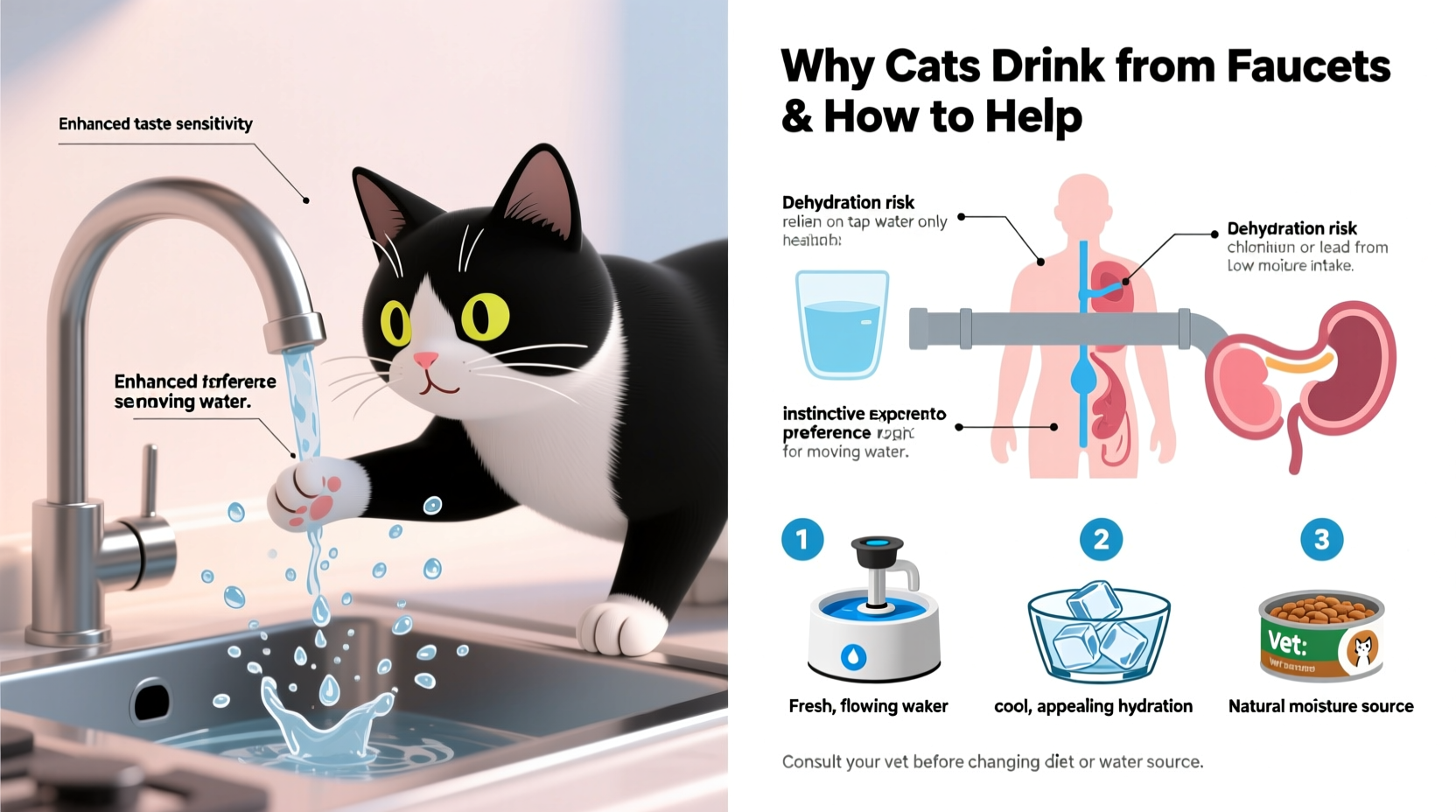
Cats are descendants of desert-dwelling ancestors who evolved to get most of their moisture from prey rather than standing water sources. In the wild, stagnant water could indicate contamination or bacterial growth, making it unsafe to drink. As a result, cats developed a natural preference for moving water, which signals freshness and safety.
When your cat taps or drinks from a running faucet, they’re acting on an evolutionary instinct: flowing water is more likely to be clean and oxygenated. This isn’t just about taste—it’s a survival mechanism hardwired into their behavior. Even domesticated cats retain this instinct, which explains why many will ignore a full water bowl but leap onto the sink at the sound of a dripping tap.
Additionally, the sensory experience enhances appeal. The sound of trickling water captures a cat’s attention, while the movement creates visual stimulation. Some cats even paw at still water to simulate motion before drinking. This behavior isn’t random; it’s rooted in biological programming designed to protect them from consuming contaminated fluids.
Health Implications of Faucet Drinking
While drinking from the faucet occasionally may not pose immediate danger, habitual reliance on tap water raises several health concerns.
Exposure to Contaminants
Municipal tap water often contains chlorine, fluoride, and trace metals such as lead or copper, especially in older plumbing systems. Although these levels are generally considered safe for humans, cats are smaller and more sensitive to chemical imbalances. Long-term exposure to chlorinated water has been linked to oral irritation and thyroid disturbances in some felines.
Moreover, if your home uses well water, there may be elevated levels of nitrates, bacteria, or minerals like iron and sulfur, all of which can negatively affect kidney function over time—particularly problematic for senior cats or those with preexisting conditions.
Inadequate Hydration Despite Frequent Drinking
Paradoxically, cats who appear to drink frequently from the faucet may still be dehydrated. The act of lapping small amounts intermittently doesn’t equate to sufficient daily intake. Chronic mild dehydration contributes to urinary tract issues, including feline lower urinary tract disease (FLUTD), bladder stones, and kidney dysfunction.
“Cats need consistent access to fresh, clean water throughout the day. Relying on sporadic faucet sessions disrupts hydration patterns and increases disease risk.” — Dr. Lena Torres, DVM, Feline Internal Medicine Specialist
Physical Risk and Behavioral Reinforcement
Allowing your cat to jump on counters and drink from faucets poses physical dangers. Slippery surfaces increase fall risks, and open toilets or uncovered drains present drowning hazards, particularly for kittens. Additionally, reinforcing the behavior by turning on the tap each time encourages dependency, making it harder to transition them to safer alternatives later.
Solutions to Encourage Safer Hydration Habits
Addressing faucet obsession requires understanding your cat’s needs and offering better alternatives that satisfy their instincts without compromising health or household safety.
Invest in a Cat Water Fountain
A high-quality cat water fountain is the most effective solution. These devices circulate and filter water, mimicking the flow and sound of a faucet while keeping the water clean and oxygenated. Most models use replaceable carbon and foam filters to remove chlorine, hair, and debris.
Choose a fountain with a quiet pump, BPA-free materials, and multiple flow settings. Place it in a quiet corner away from food bowls—cats naturally avoid drinking near eating areas due to instinctual predator-prey separation.
Optimize Water Bowl Placement and Design
Location matters. Many cats avoid water bowls placed next to noisy appliances, litter boxes, or high-traffic zones. Ideal spots include quiet corners, hallways, or bedrooms where your cat feels secure.
Bowl material also influences acceptance. Stainless steel or ceramic bowls resist bacterial buildup better than plastic, which can develop micro-scratches harboring biofilm. Avoid narrow, deep bowls—cats dislike whisker stress, so wide, shallow dishes allow comfortable access.
Refresh Water Frequently
Cats detect changes in water composition long before humans do. Stale or warm water loses oxygen and develops an off-taste. Replace water at least twice daily, and rinse the bowl thoroughly each time to prevent residue buildup.
Step-by-Step Transition Plan
If your cat is deeply attached to the faucet, a structured transition plan helps minimize resistance.
- Assess current water intake: Observe how often your cat drinks from the faucet and estimate volume (e.g., 5–10 seconds of lapping).
- Introduce the fountain: Place it near the sink initially to capitalize on existing interest in that area.
- Run faucet after fountain use: For the first few days, turn on the tap briefly after your cat drinks from the fountain to create positive association.
- Gradually move the fountain: Relocate it every two days to a more appropriate location, ideally where your cat spends time.
- Discourage sink access: Use double-sided tape, aluminum foil, or motion-activated deterrents on countertops to make the area less appealing.
- Maintain consistency: Clean the fountain weekly and refill daily to ensure optimal performance and hygiene.
Do’s and Don’ts: Hydration Best Practices
| Do | Don’t |
|---|---|
| Use filtered or bottled water if tap quality is poor | Leave water sitting for more than 12 hours |
| Offer multiple water stations around the house | Place water bowls directly next to food |
| Clean fountains and bowls with vinegar or mild soap weekly | Use scented cleaners that leave residues |
| Encourage drinking by adding ice cubes or flavoring with low-sodium broth | Force interaction with new equipment |
Mini Case Study: Luna, the Sink Addict
Luna, a 4-year-old Siamese mix, had a nightly ritual: as soon as her owner brushed their teeth, she’d leap onto the bathroom counter and demand running water. Her owner complied out of affection, unaware of the risks until Luna was diagnosed with early-stage kidney insufficiency during a routine checkup.
Her veterinarian noted chronic mild dehydration despite frequent drinking episodes. The family switched to a triple-filter cat fountain placed in the living room. They used tuna water (unsalted) to entice Luna initially and covered the sink countertop with textured shelf liner to deter jumping.
Within three weeks, Luna adapted fully. Follow-up blood work six months later showed stabilized kidney values, and her owner reported increased energy and coat shine. “We thought we were being kind,” said the owner, “but we were actually enabling a risky habit.”
Frequently Asked Questions
Is it safe for cats to drink from the faucet?
Occasional drinking is unlikely to cause harm, but regular consumption increases exposure to chemicals and contaminants in tap water. It also reinforces counter-surfing behavior, which can lead to accidents. Providing a safer alternative like a filtered fountain is strongly recommended.
Why won’t my cat drink from their water bowl?
Cats may reject bowls due to material (plastic taste), shape (whisker stress), location (near food or noise), or water stagnation. Try switching to stainless steel or ceramic, relocating the bowl, or introducing moving water via a fountain.
Can drinking from the faucet cause UTIs in cats?
Not directly. However, inadequate overall hydration—despite frequent small drinks—can concentrate urine and contribute to urinary crystal formation and infections. Ensuring consistent, sufficient water intake is key to preventing UTIs.
Checklist: Creating a Hydration-Friendly Home
- ✔️ Install at least one cat water fountain
- ✔️ Place water bowls away from food and high-traffic areas
- ✔️ Use non-porous, easy-to-clean bowl materials
- ✔️ Replace water twice daily and clean containers regularly
- ✔️ Test tap water quality or use a filtration system
- ✔️ Discourage countertop access with humane deterrents
- ✔️ Monitor your cat’s drinking and urination patterns monthly
Conclusion: Prioritize Health Over Habit
Your cat’s fascination with the faucet stems from deep-rooted instincts, not mere whimsy. Recognizing this behavior as a signal—not a quirk—allows you to respond proactively. By replacing unreliable tap access with consistent, clean, and appealing hydration options, you support your cat’s long-term health and reduce preventable risks.
Start today: evaluate your current water setup, invest in a quality fountain, and observe how your cat responds. Small changes now can prevent serious medical issues down the line. Your cat depends on you not just for love and shelter, but for smart, informed care—even when it comes to something as simple as a drink of water.




 浙公网安备
33010002000092号
浙公网安备
33010002000092号 浙B2-20120091-4
Comments
No comments yet. Why don't you start the discussion?