
Cats are creatures of habit, but some habits puzzle even the most attentive pet owners. One of the most common yet baffling behaviors? A cat that insists on drinking from the sink—sometimes refusing their water bowl altogether. While it might seem harmless or even endearing at first, this obsession can lead to wasted water, potential exposure to cleaning chemicals, and frustration for you. More importantly, it may signal an underlying issue with your cat’s hydration routine or environment.
Understanding why cats develop this preference is the first step toward redirecting the behavior. From water freshness to instinctual instincts, several factors drive this quirk. The good news is that with a few strategic changes, you can encourage your cat to drink from appropriate sources without resorting to punishment or stress.
Why Cats Are Drawn to Sink Water
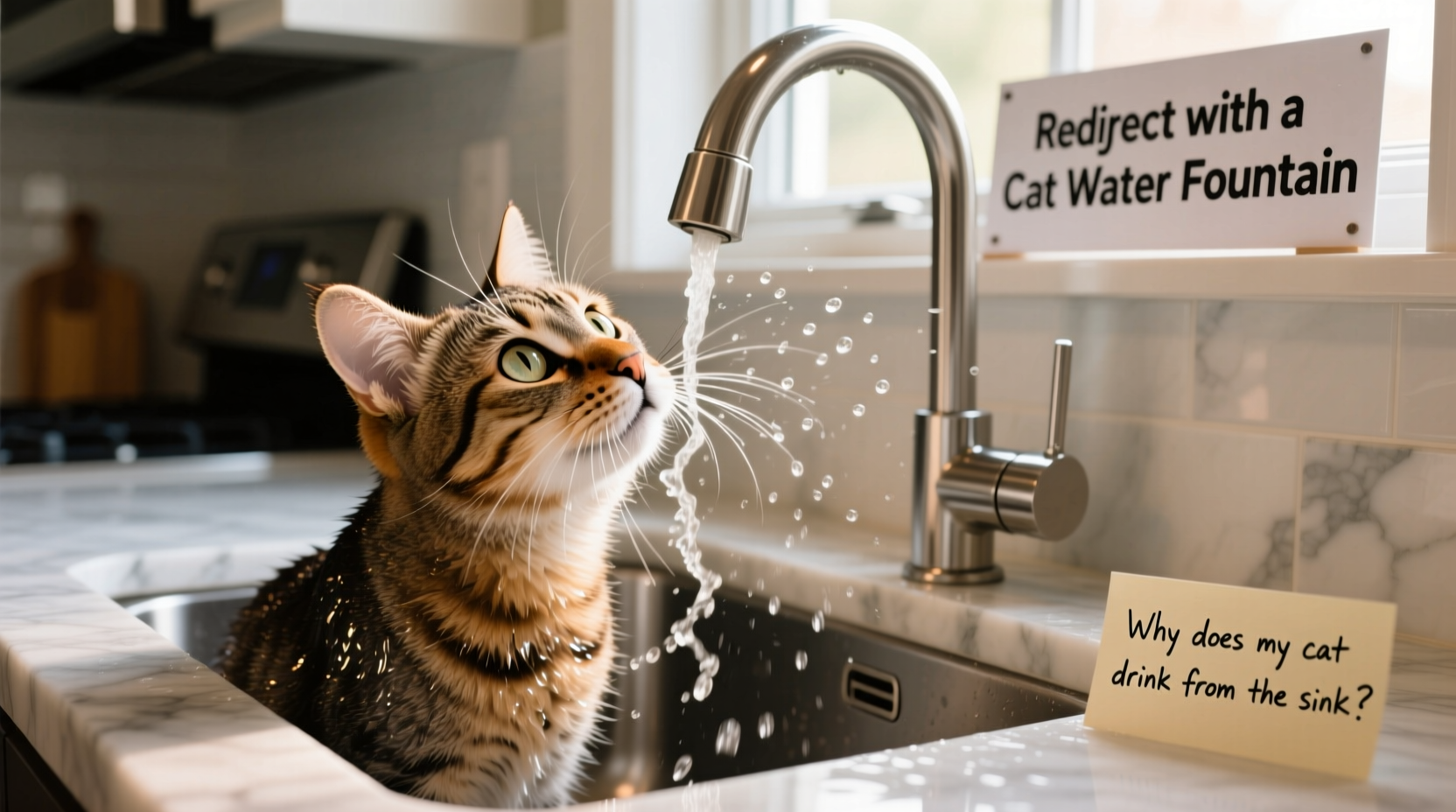
Cats aren’t being difficult on purpose—they’re responding to sensory cues and evolutionary instincts. In the wild, flowing water signals safety and freshness. Stagnant pools could harbor bacteria or predators, so felines evolved to prefer moving water. This hardwired preference explains why many domestic cats ignore still water in bowls but leap at the chance to sip from a dripping faucet.
Additionally, sink water is often colder and aerated, enhancing its appeal. The sound of running water can also pique a cat’s curiosity, turning hydration into a stimulating activity. Some cats even enjoy pawing at the stream, blending play with drinking.
Sensory Appeal and Hydration Quality
The location and design of your cat’s water bowl matter more than you might think. Sinks are typically made of stainless steel or porcelain, materials that don’t retain odors. Plastic bowls, on the other hand, can leach smells over time—even after washing—which deters sensitive felines.
Water sitting in a bowl also accumulates dust, fur, or food particles, especially if placed near a food dish. Cats have excellent vision and smell; what looks clean to us may seem contaminated to them. Running water in the sink appears “alive,” signaling purity and reducing perceived risk.
“Cats are highly selective about their water sources. Flowing, cool, and odor-free water mimics natural streams, which aligns with their ancestral preferences.” — Dr. Lena Torres, Feline Behavior Specialist
Health Considerations Behind Excessive Sink Drinking
While occasional sink sipping is normal, a sudden or intense fixation may indicate a medical concern. Increased thirst—known as polydipsia—can be a symptom of conditions like kidney disease, diabetes, or hyperthyroidism, especially in older cats.
If your cat is spending more time at the sink than usual, seems lethargic, or has changes in appetite or litter box habits, consult your veterinarian. Diagnostic tests such as blood work and urinalysis can rule out serious issues.
Even if no illness is present, chronic dehydration from avoiding stagnant bowls can strain the urinary system. Cats naturally have low thirst drives, partly due to their desert-dwelling ancestry, making consistent access to appealing water crucial for long-term health.
Environmental and Behavioral Triggers
Beyond biology, your home environment plays a role. If the water bowl is near the food area, noise, or foot traffic, your cat may feel vulnerable while drinking. In the wild, exposed watering holes are dangerous—cats seek quiet, safe spots to hydrate.
Some cats associate sinks with attention. If you respond every time they jump up—whether by shooing them away or giving treats—they learn that sink visits yield interaction. This unintentional reinforcement strengthens the habit.
| Factor | Why It Matters | Solution |
|---|---|---|
| Water Movement | Moving water appears fresher and safer | Use a pet fountain |
| Bowl Material | Plastic retains odors; metal/glass are neutral | Switch to ceramic or stainless steel |
| Location | Noisy or high-traffic areas cause stress | Place bowls in quiet zones |
| Temperature | Cool water is more palatable | Add ice cubes or refresh frequently |
| Proximity to Food | Natural instinct avoids contamination | Separate water and food stations |
How to Redirect Your Cat Safely and Effectively
Redirecting sink-drinking behavior requires patience and consistency. The goal isn’t to punish the cat but to make alternative water sources more appealing than the sink. Start by identifying what your cat likes about the sink—then replicate it elsewhere.
Step-by-Step Guide to Encouraging Bowl Use
- Assess current water setup: Check bowl cleanliness, material, placement, and refill frequency. Replace plastic bowls immediately.
- Introduce a water fountain: Choose one with a gentle flow and multiple drinking points. Models with charcoal filters improve taste and reduce odors.
- Experiment with placement: Place fountains or bowls in 2–3 quiet locations (e.g., bedroom, hallway, laundry room). Avoid corners where cats feel trapped.
- Enhance water appeal: Add ice cubes in warm weather or float a small amount of low-sodium chicken broth (without onions or garlic) to entice initial interest.
- Discourage sink access: Keep bathroom doors closed, install motion-activated deterrents, or place double-sided tape on countertops (cats dislike sticky textures).
- Reinforce positive behavior: Praise or gently reward your cat when they drink from designated sources—never punish sink visits.
- Monitor progress: Track drinking patterns for two weeks. Gradually phase out sink access as bowl use increases.
Choosing the Right Fountain
Not all cat fountains are created equal. Look for models with:
- Quiet pumps (avoid loud humming)
- Dishwasher-safe parts for easy cleaning
- BPA-free materials
- Multiple flow settings
Real-Life Example: Redirecting Luna’s Sink Habit
Luna, a 4-year-old Siamese mix, drank exclusively from the bathroom sink—often waking her owner at 3 a.m. for a “tap session.” Her owner tried closing the door, but Luna meowed persistently. Concerned about dehydration and disrupted sleep, she consulted a veterinary behaviorist.
The solution was multifaceted: First, she replaced Luna’s cracked plastic bowl with a stainless steel one placed in a quiet hallway. Then, she introduced a Catit fountain near Luna’s favorite napping spot. For the first week, she ran the sink for 10 seconds each morning right next to the fountain, allowing Luna to associate the sound with the new device.
Within 10 days, Luna began investigating the fountain. By day 18, she used it exclusively. The sink was permanently off-limits, and her owner regained uninterrupted sleep—all without conflict or stress.
Checklist: How to Stop Sink Drinking for Good
- ✅ Replace plastic water bowls with ceramic, glass, or stainless steel
- ✅ Invest in a quiet, multi-stream cat water fountain
- ✅ Position water stations in at least three quiet, accessible locations
- ✅ Clean bowls and fountains daily; replace filter weekly
- ✅ Separate water sources from food bowls by at least 3 feet
- ✅ Discourage sink access using physical barriers or texture deterrents
- ✅ Monitor drinking habits and vet any sudden changes
- ✅ Be patient—behavior change takes 2–4 weeks
Frequently Asked Questions
Is it harmful if my cat drinks from the sink?
Occasional sink drinking isn’t dangerous, provided the faucet is clean and free of chemical residue. However, relying on sinks increases the risk of ingesting cleaning products or bacteria from fixtures. Long-term, it can also encourage counter-surfing and other unwanted behaviors.
Why won’t my cat drink from a bowl but loves running water?
This is rooted in instinct. Running water is visually and audibly stimulating, signaling freshness. Still water may appear stale or unsafe to a cat, even if it’s been freshly poured. A fountain bridges this gap by providing continuous movement and aeration.
How much water should my cat drink daily?
On average, cats need 3.5–4.5 ounces of water per 5 pounds of body weight daily. Wet food contributes significantly to intake, so cats on dry diets require more supplemental water. If your cat drinks less than expected, consult your vet and consider increasing wet food or offering broths.
Final Thoughts and Call to Action
Your cat’s sink obsession isn’t defiance—it’s communication. They’re telling you that their current water source doesn’t meet their standards for safety, freshness, or comfort. By understanding the instincts behind this behavior and making thoughtful environmental adjustments, you can guide them toward healthier hydration habits.
Start today: inspect your cat’s water bowl, research a quality fountain, and choose a quiet spot for a new station. Small changes can lead to lasting results. Share your journey in the comments—what worked for your cat? Your experience could help another pet owner solve the same puzzle.




 浙公网安备
33010002000092号
浙公网安备
33010002000092号 浙B2-20120091-4
Comments
No comments yet. Why don't you start the discussion?