
Cats are creatures of instinct, and their behaviors often stem from deeply ingrained habits passed down through generations. One such behavior—scratching the floor after using the litter box—can leave many pet owners puzzled. Is it a sign of dissatisfaction with the litter? A territorial display? Or simply a quirky habit? Understanding why your cat engages in this action can help you determine whether it's completely normal or if it signals an underlying issue that needs attention.
This article explores the biological, behavioral, and environmental factors behind post-litter-box scratching. From evolutionary instincts to potential health concerns, we’ll break down what’s typical, what might warrant a closer look, and how you can support your cat’s well-being while managing unwanted messes on your floors.
The Evolutionary Roots of Litter Box Behavior
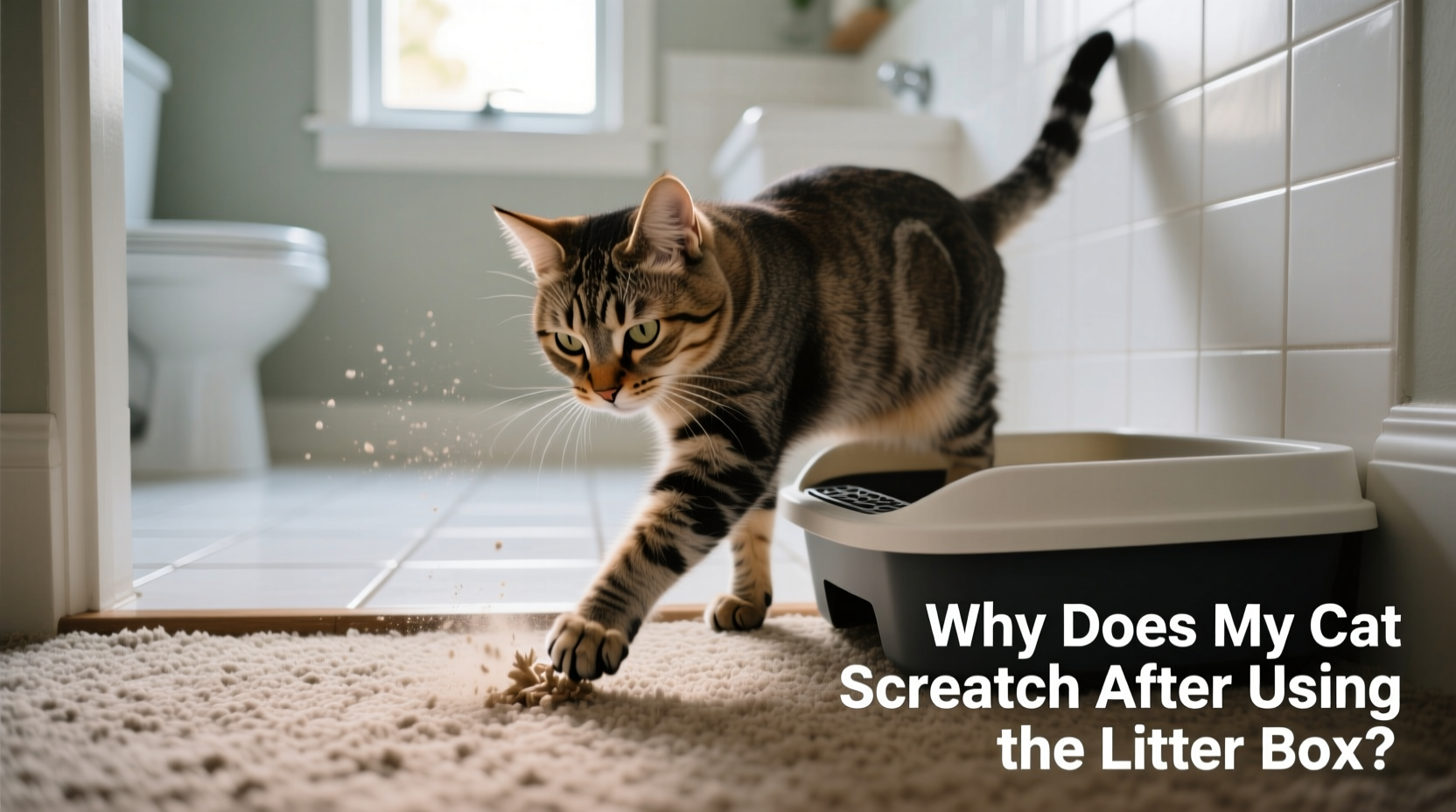
In the wild, felines bury their waste to avoid attracting predators and to prevent conflict with other cats. This instinctual act of covering feces or urine is hardwired into domestic cats, even those who have never lived outdoors. When your cat uses the litter box, the natural next step—according to their instincts—is to scratch and cover their waste.
However, not all surfaces respond the same way to scratching. In a controlled environment like a home, the litter box is designed to mimic soft soil or sand. But once your cat steps out, they may encounter hardwood, tile, or carpet—surfaces that don’t allow for effective burial. As a result, they may attempt to “scratch” the floor nearby as if continuing the ritual, even though no actual covering occurs.
“Cats don’t differentiate between litter and flooring in terms of instinctive behavior—they follow routines driven by survival mechanisms from their wild ancestors.” — Dr. Lena Patel, Feline Behavior Specialist
This post-defecation scratching isn’t necessarily about cleanliness; it’s more about fulfilling an ingrained sequence of actions. The cat does its business, attempts to cover it, and then performs a few extra scrapes as part of a completion ritual. It’s similar to how some cats knead blankets or rub against furniture—it’s comforting, familiar, and tied to security.
Common Reasons Cats Scratch After Using the Litter Box
While instinct plays a major role, several specific factors can influence why your cat scratches the floor immediately after exiting the litter box. These include:
- Litter box dissatisfaction: If the litter is too shallow, clumps poorly, or has an unpleasant texture, your cat may feel the need to compensate by scratching outside the box.
- Territorial marking: Cats have scent glands in their paws. Scratching releases pheromones, signaling ownership of the area around the litter box.
- Overstimulation: Some cats become overexcited or stimulated during elimination and engage in physical activity afterward, including pawing at the floor.
- Attention-seeking: If scratching gets a reaction (like being picked up or spoken to), your cat may repeat the behavior to initiate interaction.
- Medical discomfort: Painful urination or defecation due to urinary tract infections, constipation, or arthritis may cause erratic post-litter behavior, including aggressive scratching.
When Floor Scratching Becomes a Concern
Occasional floor scratching after litter use is generally harmless. However, changes in frequency, intensity, or accompanying behaviors should prompt further investigation. Excessive scratching—especially if it involves loud scraping, frantic movements, or vocalization—may signal distress.
Consider the following red flags:
- Your cat avoids the litter box entirely after initial use.
- Scratching is accompanied by crying, straining, or frequent trips to the box with little output.
- You notice blood in urine or stool.
- The behavior started suddenly without prior history.
- Your cat appears anxious, hides more, or shows aggression.
If any of these signs are present, consult your veterinarian. Conditions such as feline lower urinary tract disease (FLUTD), bladder stones, or gastrointestinal pain can manifest through altered litter-related behaviors.
Case Study: Bella the Overgroomer
Bella, a 7-year-old domestic shorthair, began aggressively scratching her kitchen tiles after every litter box visit. Her owner initially dismissed it as a quirk until Bella started urinating outside the box and grooming her belly raw. A vet visit revealed FLUTD. After treatment and environmental enrichment (including a second litter box and pheromone diffusers), Bella’s floor-scratching decreased significantly, and she resumed normal litter habits within three weeks.
This example illustrates how seemingly minor behavioral shifts can reflect serious health issues. Early intervention made a critical difference in Bella’s comfort and long-term urinary health.
Do’s and Don’ts: Managing Post-Litter Box Scratching
| Do’s | Don’ts |
|---|---|
| Provide adequate litter depth (at least 2–3 inches) | Use scented litter that may irritate your cat |
| Keep multiple litter boxes in multi-cat households | Place litter boxes in noisy or high-traffic areas |
| Trim nails regularly to reduce damage from scratching | Punish or shout at your cat for scratching |
| Place a small rug or mat near the box to absorb scratching | Change litter type abruptly without transition |
| Scoop waste daily and clean boxes weekly | Use harsh chemicals like ammonia or bleach for cleaning |
Implementing positive changes based on this framework can reduce undesirable scratching while supporting your cat’s emotional and physical health.
Step-by-Step Guide to Addressing Excessive Floor Scratching
If your cat’s post-litter behavior seems excessive or disruptive, follow this structured approach to identify and resolve the root cause:
- Observe the behavior closely: Note when, where, and how intensely your cat scratches. Record duration, sounds, and any associated actions (e.g., meowing, limping).
- Inspect the litter box setup: Ensure the box is large enough (1.5x your cat’s length), filled with appropriate litter, and cleaned regularly. Consider switching to unscented, clumping clay or paper-based litter if irritation is suspected.
- Check for medical symptoms: Look for signs of pain, changes in urine color, or difficulty moving. Schedule a vet check-up if anything seems off.
- Evaluate the environment: Is the litter box near a loud appliance? Is there competition from other pets? Relocate if necessary to a quiet, accessible spot.
- Add environmental buffers: Place a textured mat or runner beside the box to give your cat an acceptable surface for scratching. Reinforce its use with treats or catnip.
- Monitor progress: Track improvements over two to three weeks. If no change occurs, revisit each step or consult a veterinary behaviorist.
FAQ: Common Questions About Cat Floor Scratching
Is it normal for my cat to scratch the floor after peeing?
Yes, it’s common. Even after urination, cats may perform a few quick scratches as part of their instinctual burying routine. As long as the behavior is brief and doesn’t involve pain or avoidance of the box, it’s typically nothing to worry about.
Why does my cat scratch the wall or door after using the litter box?
Wall or door scratching can serve the same purpose as floor scratching—territorial marking via paw glands or an attempt to “cover” waste when the surrounding surface feels inadequate. It may also occur if the box is placed in a corner with limited space. Try relocating the box or adding a scratching post nearby to redirect the behavior.
Can anxiety cause my cat to scratch excessively after using the litter box?
Absolutely. Stress from household changes, new pets, or loud environments can amplify instinctive behaviors. Cats under stress may over-groom, over-scratch, or eliminate outside the box. Providing safe spaces, consistent routines, and calming aids (like Feliway diffusers) can help reduce anxiety-driven actions.
Conclusion: Balancing Instinct and Environment
Cat behavior rarely exists in isolation. What appears to be a simple case of floor scratching is often a blend of instinct, environment, and emotional state. In most cases, post-litter-box scratching is perfectly normal—a leftover ritual from a time when cats needed to hide their presence from predators and rivals. But when combined with other warning signs, it can point to discomfort, illness, or stress.
The key lies in observation and response. By understanding your cat’s motivations and making thoughtful adjustments to their litter setup and surroundings, you can support their natural behaviors while minimizing damage and disruption. Remember: your cat isn’t trying to annoy you—they’re communicating in the only way they know how.




 浙公网安备
33010002000092号
浙公网安备
33010002000092号 浙B2-20120091-4
Comments
No comments yet. Why don't you start the discussion?