
When a cat that once used the litter box reliably begins eliminating outside of it, owners often feel frustrated, confused, or even betrayed. But cats don’t act out of spite—they communicate through behavior. A sudden refusal to use the litter box is rarely a disciplinary issue; it’s a signal. Whether rooted in medical concerns, environmental stress, or subtle changes in routine, inappropriate elimination is your cat’s way of telling you something is wrong.
Addressing this issue humanely requires patience, observation, and a systematic approach. Punishment only deepens anxiety and worsens the problem. Instead, understanding the underlying cause—then adjusting the environment, routine, or care accordingly—is the path to resolution. This guide breaks down the most common reasons behind litter box avoidance and offers practical, compassionate strategies to help both you and your cat regain harmony.
Medical Issues: Rule Out Health Problems First
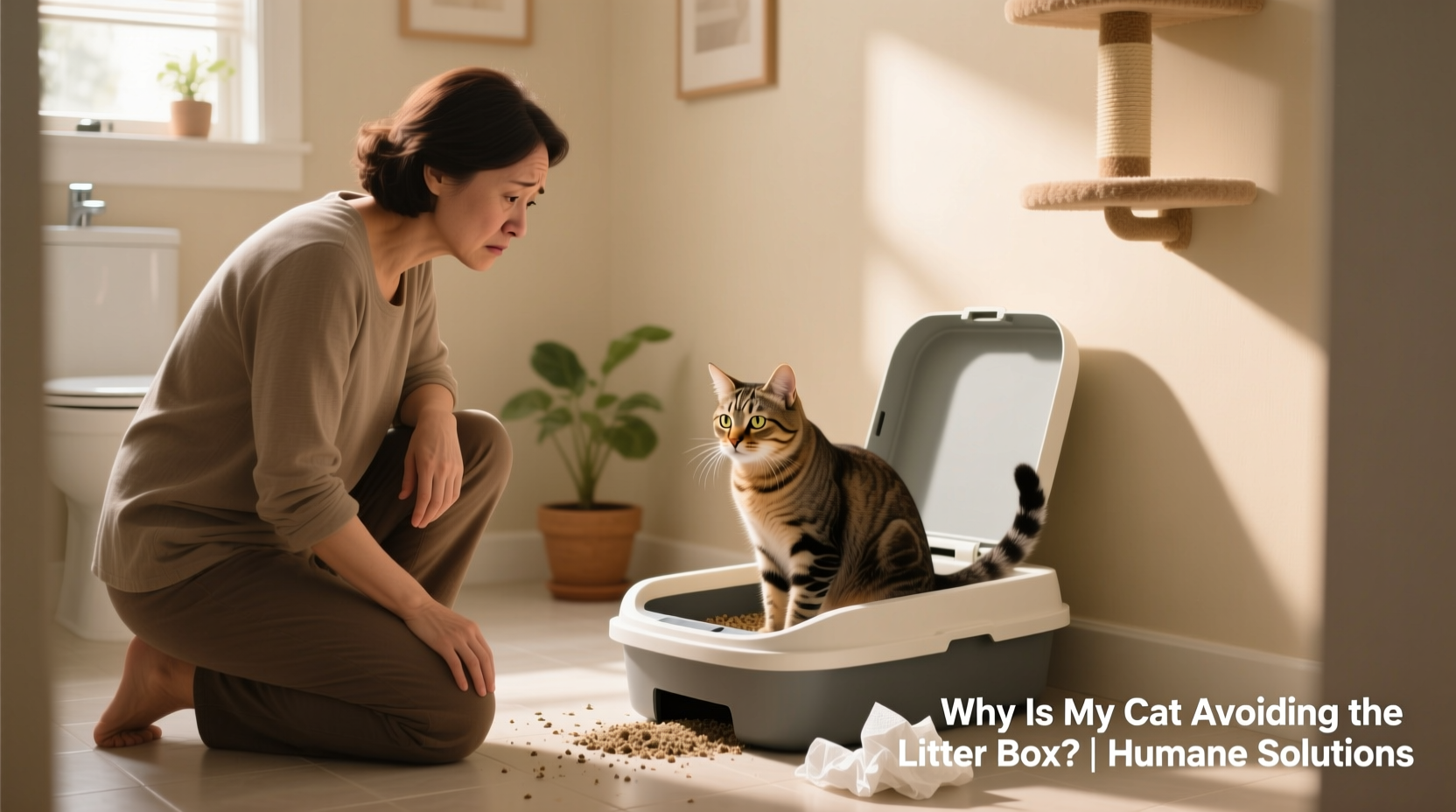
Before assuming behavioral causes, rule out physical illness. Urinary tract infections, bladder stones, kidney disease, arthritis, and gastrointestinal discomfort can all make using the litter box painful or difficult. Cats may associate the box with pain and avoid it altogether.
Signs that point to a medical issue include:
- Straining to urinate or defecate
- Frequent trips to the box with little output
- Blood in urine or stool
- Licking the genital area excessively
- Sudden vocalization during elimination
A visit to the veterinarian should be the first step. Your vet may perform a urinalysis, blood work, or X-rays to identify underlying conditions. Treating any medical problem often resolves the litter box issue immediately.
“Over 30% of cats presenting with inappropriate elimination have an undiagnosed urinary tract condition. Always start with a vet check.” — Dr. Lena Reyes, Feline Internal Medicine Specialist
Environmental and Litter Box Factors
Cats are fastidious creatures with strong preferences about where and how they eliminate. Even minor changes in the litter box setup can lead to avoidance. Common issues include:
- Dirty boxes: Most cats won’t use a soiled litter box. Scoop daily and change litter completely every 1–2 weeks.
- Wrong litter type: Scented litter, clay dust, or sudden changes in texture can deter cats. Stick to unscented, clumping, fine-grain litter unless your cat has shown a preference otherwise.
- Inaccessible location: If the box is in a noisy basement, near a loud appliance, or in a hard-to-reach spot, your cat may avoid it.
- Too few boxes: The general rule is one box per cat, plus one extra. In multi-cat homes, competition or territorial guarding can drive some cats away from shared boxes.
Optimal Litter Box Setup Checklist
- Provide at least one more litter box than the number of cats in your home.
- Place boxes in quiet, low-traffic areas with multiple escape routes (avoid dead-end corners).
- Use uncovered boxes—most cats prefer open access.
- Choose large boxes (at least 1.5 times your cat’s length).
- Scoop waste daily; do a full litter change weekly.
- Avoid liners and hooded boxes unless your cat clearly prefers them.
Stress and Behavioral Triggers
Cats are sensitive to changes in their environment. Events such as moving, new pets, visitors, construction noise, or even rearranged furniture can trigger anxiety, leading to litter box avoidance.
Additionally, inter-cat conflict in multi-cat households is a frequent culprit. A dominant cat may guard the litter box, forcing others to eliminate elsewhere. This territorial behavior often goes unnoticed by owners.
Other stress-related triggers include:
- New baby or roommate
- Changes in feeding schedule
- Outdoor cats visible through windows
- Punishment for previous accidents (which increases fear)
Reducing stress involves creating safe zones, using pheromone diffusers like Feliway, and maintaining consistent routines. Vertical space (cat trees, shelves) also helps cats feel secure.
Do’s and Don’ts When Addressing Litter Box Avoidance
| Do’s | Don’ts |
|---|---|
| Keep the litter box clean and accessible | Yell at or punish your cat for accidents |
| Use enzymatic cleaners on messes (to remove odor) | Switch litter types abruptly |
| Add extra boxes in different locations | Move the box right after an accident |
| Consult your vet before assuming behavioral causes | Assume your cat is “getting back at you” |
| Observe patterns (time, location, posture) | Use ammonia-based cleaners (they smell like urine to cats) |
Step-by-Step Guide to Reestablish Litter Box Use
Once medical issues are ruled out and environmental stressors identified, follow this humane, structured plan to retrain your cat:
- Confine temporarily: Limit your cat to one room with a clean litter box, food, water, and bed. This encourages proper use when reintroduced gradually.
- Reset the scene: Thoroughly clean accident areas with an enzymatic cleaner. Avoid steam cleaning, which can set odors.
- Add more boxes: Place new boxes near where accidents occurred. Once usage is consistent, slowly move them to preferred locations over several days.
- Experiment with litter: Try different types (paper, pellet, silica) if your cat seems hesitant. Some cats prefer softer textures.
- Reinforce success: Praise quietly or offer a treat when your cat uses the box correctly. Never interrupt or hover.
- Expand territory: Gradually allow access to more rooms, monitoring closely. Remove access if accidents recur.
- Maintain consistency: Stick to scooping schedules, feeding times, and litter type to build trust and routine.
Real-Life Example: Bella’s Comeback
Sarah adopted Bella, a three-year-old domestic shorthair, six months ago. For weeks, Bella used the litter box without issue. Then, after Sarah’s sister stayed for two weeks with her dog, Bella began urinating behind the couch.
Sarah initially thought Bella was upset about the dog’s presence. She scolded her a few times, which only made Bella hide more. After reading about feline stress, Sarah took Bella to the vet. No medical issues were found.
The vet suggested environmental enrichment and a second litter box. Sarah placed a new box in the guest room—away from foot traffic—and started using a Feliway diffuser. She cleaned the soiled areas with an enzymatic cleaner and blocked access to the hiding spot behind the couch.
Within five days, Bella began using the new box. Sarah kept both boxes available and praised Bella quietly when she saw her entering either one. Two weeks later, Bella was consistently using both boxes, and the accidents stopped entirely.
This case illustrates how a combination of stress, inadequate resources, and unintentional punishment can create a cycle of avoidance—one that compassion and structure can resolve.
Frequently Asked Questions
Can I train an older cat to use the litter box again?
Yes. Older cats can relearn litter box habits, especially if medical issues are addressed and the box is made more accessible. Arthritis, cognitive decline, or weakened senses may require accommodations like lower sides, non-slip mats, or additional boxes on each floor.
What if my cat only pees outside the box but still poops inside?
This often indicates a preference issue rather than a training failure. Cats sometimes separate urination and defecation sites. It could also suggest discomfort with litter depth or texture for urination. Try increasing the litter volume or switching to a softer type. Also, ensure the box is large enough to allow full digging and covering after peeing.
How long does it take to fix litter box problems?
With consistent effort, most cats improve within 2–6 weeks. However, chronic cases—especially those involving prolonged stress or multi-cat tension—may take longer. Patience and persistence are key. Relapses are normal; respond calmly and revisit your strategy.
Conclusion: Compassion Over Correction
A cat who avoids the litter box isn’t misbehaving—they’re communicating distress. Whether the cause is pain, fear, or discomfort, the solution lies not in punishment but in empathy and adjustment. By approaching the issue with curiosity instead of frustration, you honor the bond between you and your pet.
Start with a veterinary exam, evaluate your litter box setup, reduce household stress, and follow a patient retraining process. Small changes—like adding a second box or switching to unscented litter—can yield dramatic results. Every cat is different, but all respond best to kindness, consistency, and clarity.




 浙公网安备
33010002000092号
浙公网安备
33010002000092号 浙B2-20120091-4
Comments
No comments yet. Why don't you start the discussion?